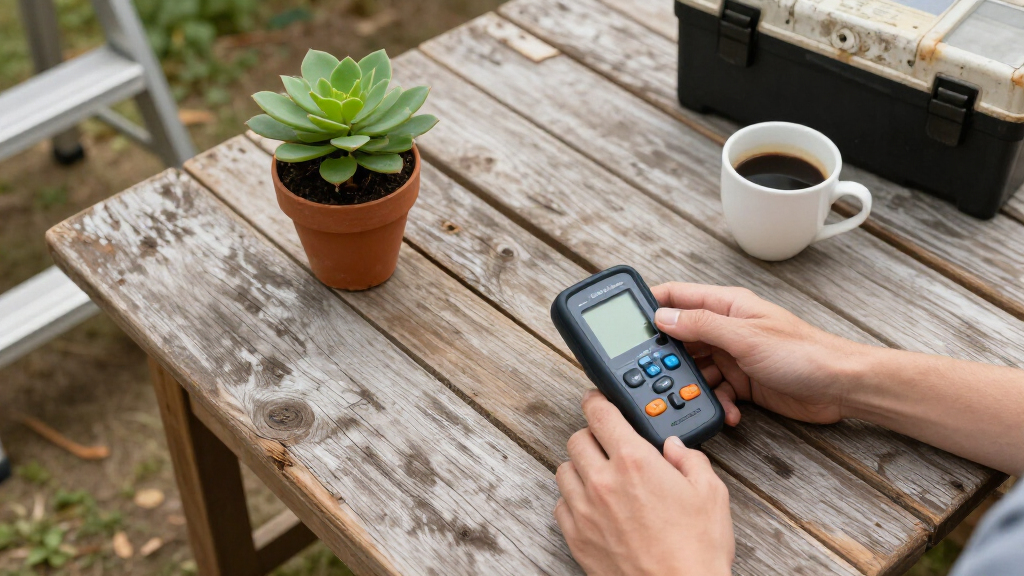

📊 Full opportunity report: Why Pre-Demo Condition Assessments Can Make Or Break Your Old Home Project on IdeaNavigator AI — validation score, market gap, and execution plan.

Prime made for students and young adults
- Fast, free delivery for dorm and study essentials
- Prime Video and Amazon Music included
- Member-only deals
TL;DR
Pre-demo condition assessments are critical for DIY buyers renovating pre-1980 homes. They can prevent costly surprises by predicting hidden issues before demo begins, impacting project costs and timelines.
Pre-demo condition assessments are emerging as a crucial step for DIY homebuyers renovating pre-1980 fixer-uppers. These assessments, which include guided phone scans and mail-in testing kits, aim to identify hidden hazards like asbestos, cloth-wrapped wiring, and galvanized pipes before demolition begins. The development comes amid rising interest from millennial buyers seeking affordable homes with renovation potential, and it offers a way to avoid unexpected costs and delays that can derail projects.
The new service involves a combination of guided phone scans of key areas such as electrical panels, crawlspaces, and water supply lines, paired with mail-in kits for testing suspect materials like asbestos and lead. These tools deliver a wall-by-wall report on likely contents and potential remediation costs before any demolition occurs. The goal is to give DIY buyers a clear understanding of what they face, reducing the risk of surprises that can inflate budgets and extend timelines.
Confirmed by early pilot programs, the approach has shown promise in accurately predicting hidden hazards. Buyers who receive these pre-demo verdicts can make more informed buy-or-walk decisions, potentially saving thousands of dollars and avoiding project delays. The service is offered at a fixed fee per house, with an upsell opportunity for contractor-matched remediation quotes, creating a new market segment in home renovation risk assessment.
Market validation involves selling twenty verdicts to pre-demo buyers and then comparing predictions with what demolition actually exposes. Early results suggest that these assessments can significantly improve project planning and buyer confidence, particularly for remote or DIY renovations where traditional inspections are limited or costly.
Why Accurate Pre-Demo Assessments Are Game-Changing
This development matters because it addresses a major pain point for DIY millennial buyers renovating older homes: unexpected hazards that can dramatically increase costs and extend project timelines. By providing reliable, wall-by-wall insights before demo begins, these assessments can help buyers avoid costly surprises, make better investment decisions, and streamline the renovation process. As most affordable starter homes now predate 1980, this approach could significantly reduce renovation risks across a large segment of the housing market, especially for remote or weekend DIY projects.
As an affiliate, we earn on qualifying purchases.
Rising Need for Pre-Demo Risk Evaluation in Aging Housing Stock
Most affordable homes available today were built before 1980, meaning they often contain hazardous materials like asbestos, lead paint, and outdated wiring. Traditionally, uncovering these issues required invasive inspections or costly lab tests after demo started, often leading to project delays and budget overruns. The rise of remote assessment tools, including guided phone scans and mail-in kits, offers a new way to evaluate these risks early, before demolition, aligning with the increasing popularity of DIY renovations among millennials. Pilot programs are currently testing the accuracy and market appeal of these assessments, with promising early results.
As an affiliate, we earn on qualifying purchases.
Uncertainties Surrounding Accuracy and Adoption Rates
While early results are promising, it is not yet clear how accurately these assessments predict all hazards across diverse home conditions. The sample size of pilot programs remains small, and broader validation is ongoing. Additionally, the willingness of DIY buyers to pay for these assessments and trust the results, as well as the willingness of contractors to integrate these verdicts into their workflows, remains uncertain. Further data collection and larger-scale testing are needed to confirm reliability and market acceptance.
As an affiliate, we earn on qualifying purchases.
Next Steps for Validation and Market Expansion
The next phase involves expanding pilot programs to include more homes and buyers, with a focus on comparing predictions against actual demolition findings. Developers aim to refine the assessment tools for higher accuracy and ease of use. Success could lead to wider adoption, with service providers partnering with real estate agents, contractors, and renovation platforms to embed pre-demo assessments into standard home-buying and renovation workflows. Long-term, the goal is to establish these assessments as a routine part of pre-purchase due diligence for older homes.
As an affiliate, we earn on qualifying purchases.
Key Questions
How reliable are these pre-demo assessments?
Early pilot results suggest they are promising, but broader validation is ongoing. The assessments aim to predict hazards like asbestos, wiring, and pipes with reasonable accuracy before demolition.
What materials can these kits detect?
Mail-in kits are designed to test for asbestos, lead paint, and other hazardous materials common in homes built before 1980.
How much do these assessments cost?
The service is offered at a fixed fee per house, with additional charges for contractor-matched remediation quotes.
Can DIY buyers rely solely on these assessments?
While they provide valuable insights, buyers should consider them as part of a comprehensive evaluation, including traditional inspections and professional advice.
Will this become a standard step before home renovation?
If validation continues positively, these assessments could become a routine part of pre-demo planning, especially for older, pre-1980 homes.
Source: IdeaNavigator AI
Fall Picks
fall essentials
As an affiliate, we earn on qualifying purchases.