TL;DR
Pope Leo’s inaugural encyclical explicitly criticizes the idea that technological advancements can serve as a messianic solution to human issues. This marks a notable shift in the Church’s stance on technology’s role in society.
Pope Leo’s first encyclical, issued in May 2026, explicitly criticizes the belief that technological progress can serve as a messianic force capable of solving humanity’s deepest problems, marking a significant doctrinal stance against technological messianism.
The encyclical, titled ‘In Spiritu Veritatis’, was released on May 28, 2026. It condemns the idea that technological innovation is a divine or messianic force, emphasizing the importance of spiritual and moral values over technological salvation. Church officials confirm that Leo aims to caution against overreliance on technology as a solution to societal issues, urging a focus on human dignity and spiritual development instead. The document also references recent debates about the role of artificial intelligence and automation in shaping future societies, warning against idolizing these developments.
According to Vatican spokesperson Father Marco Ricci, Leo’s encyclical seeks to ‘remind humanity that true salvation cannot be achieved through technological means alone.’ The Pope’s stance appears to challenge the growing narrative that technological progress is inherently progressive or divine, a view increasingly popular among certain political and scientific circles.
Why It Matters
This development is significant because it signals a clear doctrinal stance from the Vatican against the idea that technology can replace spiritual or moral guidance. It may influence Catholic social teachings, policy debates, and public perceptions of technological innovation. The encyclical also reflects broader concerns about the societal impacts of artificial intelligence, automation, and digital transformation, emphasizing the need for ethical considerations rooted in human dignity.

AI Ethics (The MIT Press Essential Knowledge series)
As an affiliate, we earn on qualifying purchases.
As an affiliate, we earn on qualifying purchases.
Background
Pope Leo, elected in 2025, has emphasized spiritual renewal and ethical considerations in his papacy. His first encyclical follows ongoing discussions within religious, scientific, and political spheres about the limits and risks of technological development. Historically, the Church has expressed caution about technological hubris, but this encyclical marks a more explicit rejection of the idea that technology is a messianic force, aligning with traditional teachings on human limitations and spiritual salvation.
“Leo’s encyclical seeks to remind humanity that true salvation cannot be achieved through technological means alone.”
— Vatican spokesperson Father Marco Ricci
“The false idol of technological messianism endangers the soul of humanity and distracts from our true spiritual purpose.”
— Pope Leo
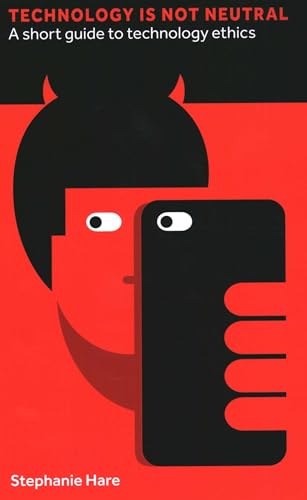
Technology Is Not Neutral: A Short Guide to Technology Ethics
- Title: Technology Is Not Neutral: A Short Guide to Technology Ethics
- Publisher: ABIS BOOK
- Publisher Partner: London Publishing Partnership
As an affiliate, we earn on qualifying purchases.
As an affiliate, we earn on qualifying purchases.
What Remains Unclear
It is not yet clear how the encyclical will influence Catholic doctrine long-term or how it will impact global debates on technology regulation. The reception among secular and scientific communities remains uncertain, and the full text of the encyclical has not been publicly released.

Technology & Spirituality: How the Information Revolution Affects Our Spiritual Lives
As an affiliate, we earn on qualifying purchases.
As an affiliate, we earn on qualifying purchases.
What’s Next
The Vatican is expected to hold a series of theological and ethical discussions in the coming months to interpret and implement the encyclical’s teachings. Further statements from Church officials and reactions from international leaders are anticipated. Monitoring how this stance influences policy debates on AI and digital ethics will be key.

Building AI-Powered Products: The Essential Guide to AI and GenAI Product Management
As an affiliate, we earn on qualifying purchases.
As an affiliate, we earn on qualifying purchases.
Key Questions
What is the main message of Pope Leo’s encyclical?
The encyclical condemns the belief that technology can serve as a messianic force capable of solving all human problems, emphasizing the importance of spiritual and moral values instead.
Why is this encyclical significant?
It marks a clear doctrinal stance from the Vatican against technological messianism, potentially influencing religious teachings, public policy, and societal attitudes toward technology.
How might this affect global debates on artificial intelligence?
The encyclical’s critique could lead to increased calls for ethical oversight of AI development, emphasizing human dignity and moral responsibility over technological advancement alone.
Is this the first time the Church has expressed concern about technology?
The Church has historically shown caution regarding technological hubris, but this is the first explicit doctrinal attack on the idea of technology as a messianic force in a papal encyclical.
Source: Hacker News