TL;DR

Prime made for students and young adults
- Fast, free delivery for dorm and study essentials
- Prime Video and Amazon Music included
- Member-only deals
Japan’s Hayabusa2 spacecraft will execute a flyby of the Torifune asteroid. This mission aims to gather data and expand understanding of small celestial bodies. Details are confirmed, but the full scientific objectives are ongoing.
Japan’s Hayabusa2 spacecraft is preparing to conduct a flyby of the Torifune asteroid in late 2024, marking a significant milestone in its ongoing mission to study small celestial bodies. The event is confirmed by the Japan Aerospace Exploration Agency (JAXA) and is expected to provide valuable scientific data about asteroid composition and behavior.
The flyby is scheduled for late 2024, with the spacecraft approaching Torifune at a close distance to collect high-resolution images and scientific data. JAXA officials confirmed that Hayabusa2 will perform a series of maneuvers to pass near the asteroid, which is approximately 1.3 kilometers in diameter and located in the asteroid belt.
Hayabusa2’s mission has previously included successful sample collection from the asteroid Ryugu, and this upcoming flyby aims to extend its scientific objectives by observing Torifune’s surface and composition. The spacecraft’s onboard instruments will analyze surface features, mineralogy, and potential resources, providing insights into the early solar system and planetary formation.
While the exact scientific goals are still being finalized, JAXA emphasizes that the data collected could inform future asteroid mining and planetary defense strategies. The flyby is part of a broader international effort to understand small bodies that could pose impact threats or serve as resource reservoirs.
Implications for Asteroid Science and Space Resources
This flyby represents a critical step in Japan’s ongoing efforts to explore and understand small asteroids, which are considered remnants of the early solar system. The data collected could improve models of asteroid composition and behavior, aiding planetary defense initiatives. Additionally, insights from Torifune may inform future resource utilization efforts, such as asteroid mining, which could become economically viable in the coming decades.
Furthermore, Hayabusa2’s successful approach demonstrates the capabilities of Japan’s space exploration program and enhances international collaboration in planetary science. The mission’s findings could influence future missions targeting similar small bodies, expanding humanity’s knowledge of the solar system’s building blocks.
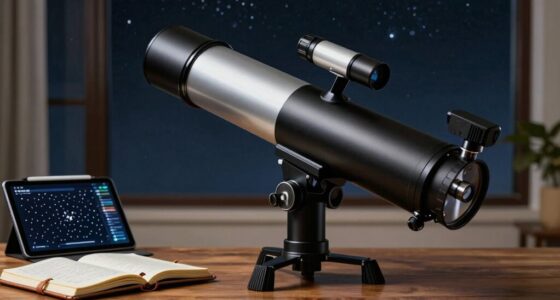
astronomy telescope for astrophotography
As an affiliate, we earn on qualifying purchases.
As an affiliate, we earn on qualifying purchases.
Hayabusa2’s Mission History and Upcoming Objectives
Launched in December 2014, Japan’s Hayabusa2 spacecraft has already achieved significant milestones, including landing on asteroid Ryugu in 2018 and collecting samples that were returned to Earth in 2020. Its current mission involves studying multiple small bodies, with the upcoming Torifune flyby serving as a key observational opportunity.
Torifune, a relatively small asteroid in the asteroid belt, has not been extensively studied before, making this flyby a valuable chance to gather new data. The mission aligns with JAXA’s broader goals of advancing asteroid science and developing technologies for future exploration and resource utilization.
While the precise timeline of the flyby has been confirmed, details about the specific scientific instruments and objectives remain under discussion among mission scientists. The event is closely watched by the global planetary science community for its potential discoveries.
“The upcoming flyby of Torifune will provide unprecedented data on small asteroid surfaces and composition, enhancing our understanding of these primordial objects.”
— JAXA spokesperson
space science educational kits for kids
As an affiliate, we earn on qualifying purchases.
As an affiliate, we earn on qualifying purchases.
Details of Scientific Objectives and Data Collection
While the timing of the flyby is confirmed, specific details about the onboard instruments’ scientific goals and the exact data to be collected are still being finalized. It is not yet clear how the data will be used or when preliminary results will be available.
Additionally, the success of the flyby depends on precise navigation and spacecraft health, which are still being monitored as the event approaches. Any unforeseen technical issues could affect the mission’s outcomes.
As an affiliate, we earn on qualifying purchases.
Post-Flyby Data Analysis and Future Missions
Following the flyby, scientists will analyze the collected data, with initial findings expected within several months. The results could influence future asteroid exploration strategies and planetary defense planning.
JAXA and international partners may plan additional missions to Torifune or similar small bodies based on the data collected. The spacecraft’s remaining operational lifespan will also determine the scope of future activities.
As an affiliate, we earn on qualifying purchases.
Key Questions
When is the Hayabusa2 flyby of Torifune scheduled?
The flyby is scheduled for late 2024, with exact timing dependent on spacecraft navigation and mission planning.
What scientific data will Hayabusa2 collect during the flyby?
The spacecraft aims to capture high-resolution images and analyze surface composition, mineralogy, and surface features of Torifune, although specific objectives are still being finalized.
Why is studying small asteroids like Torifune important?
Small asteroids are remnants of the early solar system and can provide insights into planetary formation. They also pose potential impact threats and could serve as future resource sources.
Will Hayabusa2 return samples from Torifune?
Currently, Hayabusa2’s primary mission involves studying and observing, with no plans announced for sample collection from Torifune. Its original sample collection was from Ryugu.
What are the technological capabilities of Hayabusa2 for this flyby?
Hayabusa2 is equipped with advanced imaging systems, spectrometers, and communication tools designed for detailed surface analysis and remote sensing of small celestial bodies.
Source: hn
Halloween Picks
halloween
As an affiliate, we earn on qualifying purchases.