TL;DR

Prime made for students and young adults
- Fast, free delivery for dorm and study essentials
- Prime Video and Amazon Music included
- Member-only deals
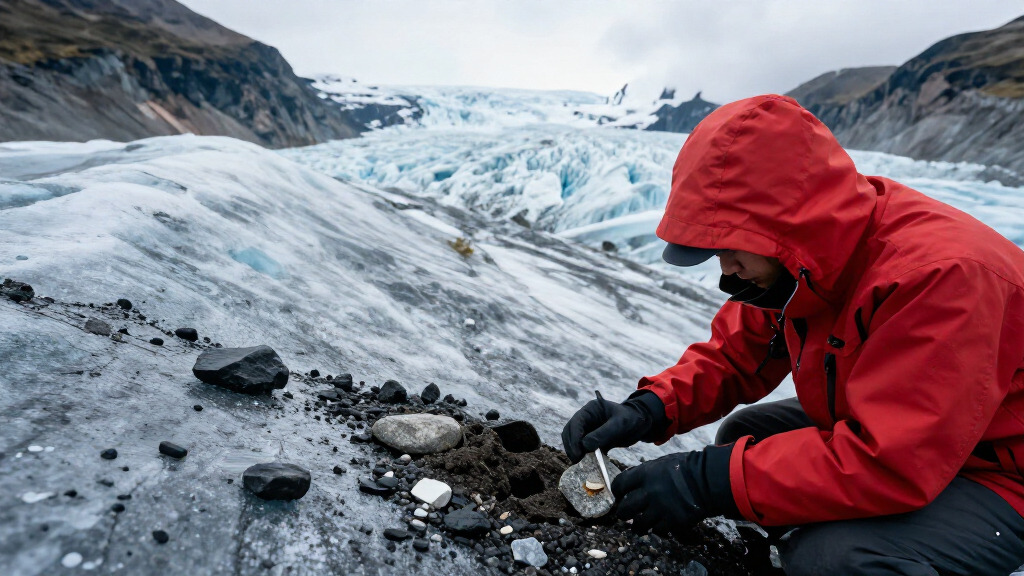
Archaeologists with Norway’s Secrets of the Ice project recovered 48 prehistoric arrows during this year’s fieldwork, including a slate-tipped arrow estimated to be 5,000 to 6,000 years old. The finds are emerging as long-standing ice patches shrink, and researchers say many patches holding artefacts could disappear within about 20 years.
Archaeologists working in the mountains of Innlandet, eastern Norway, recovered 48 prehistoric arrows this year as melting ice exposed artefacts, including a slate-tipped arrow estimated to be 5,000 to 6,000 years old. The finds add to a growing archaeological record at ice patches that researchers say are shrinking rapidly.
The arrow with a slate head and shaft was among the oldest objects found during this year’s first field expedition. Archaeologists estimated its age by comparing it with previously discovered arrows; the estimate is not a direct date reported in the source. Other finds include arrowheads made of bone and freshwater mussel shell, alongside more recent iron-tipped examples.
Espen Finstad, who leads the Secrets of the Ice project, told Science Norway that the latest discoveries bring the total recovered from one ice patch to more than 100 arrowheads and shafts over the years. The team has worked for 20 years to find and preserve objects emerging from ice in the region. Many earlier recoveries were up to 2,000 years old, including objects from the Viking Age.
Researchers have also found clothing, shoes, skis and remains of packhorses. Ice can preserve organic materials such as wood, leather and textiles, which are less likely to survive in many other archaeological settings. Some newly recovered objects were displayed at the Norwegian Mountain Centre in Lom within days of discovery, according to the report.
Melting Ice Narrows the Search Window
The finds offer evidence of prehistoric hunting and travel in Norway’s high mountains, while the preserved shafts and other organic materials can provide details that stone or metal objects alone cannot. Their exposure also creates a race to locate and protect artefacts before they are damaged or lost.
Finstad and his colleagues estimate that most ice patches containing archaeological material may disappear within about 20 years. That is the team’s estimate, not a precise timetable for each site. The archaeological discoveries therefore accompany a broader environmental change: places that preserved material for millennia are now melting, and the landscape available for research is changing within a generation.
Popular right now

Shark Rocket Corded Stick Vacuum (HV301) – Gray/Orange

Apple AirPods Pro 3 Wireless Earbuds with Active Noise Cancellation

De'Longhi 15-Bar Pump Espresso Machine with Milk Frother & Temperature Control
As an affiliate, we earn on qualifying purchases.
Two Decades of Ice Archaeology
Secrets of the Ice and archaeologists from Innlandet County Municipality have searched mountain ice patches for two decades. Finds from the Viking Age and other periods have helped establish that reindeer hunting took place around the sites. The objects recovered span different periods: the oldest arrowheads described in the report are made of slate, shell and bone, while iron arrowheads are dated to roughly 1,000 to 1,500 years ago.
The current discoveries come from Langfonne, Storefonne and Hanklefonne, in the Kvittingskjølen mountain area of Jotunheimen. Researchers say the patches have changed markedly, with areas once under ice now exposed. They describe a shift in the pattern of finds, from many objects associated with more recent periods to older material emerging as the oldest ice melts.
“This year, we found 48 prehistoric arrows. That’s a lot.”
— Espen Finstad, leader of Secrets of the Ice, speaking to Science Norway
A Forecast, Not a Site-by-Site Deadline
The 5,000-to-6,000-year age estimate for the slate arrow is based on comparison with other finds, according to the report. It does not provide a direct dating result or further detail on the method. The report also does not specify how many of this year’s 48 arrows came from each site or how many remain buried in the ice.
The estimate that most artefact-bearing ice patches could disappear within 20 years reflects the researchers’ outlook; the source gives no site-by-site forecasts. The extent of damage to newly exposed objects, and how many additional artefacts can be documented and preserved, is not yet clear. The pace of fieldwork will also depend on weather.
More Searches Planned in Jotunheimen
Finstad and colleagues plan further fieldwork in the coming weeks, weather permitting, at sites including Langfonne, Storefonne and Hanklefonne. The team’s immediate work is to find, document and recover material exposed at the ice margins. The report does not give a fixed date for the next expedition or a schedule for future publications.
As the ice continues to retreat, researchers will need to record both the artefacts and the changing conditions at each location. Whether further searches will produce similarly old objects remains unknown; for now, the 48 arrows mark the scale of this season’s recovery and the shrinking window in which such material can be found in place.
Key Questions
What did the archaeologists find?
The team recovered 48 prehistoric arrows during this year’s fieldwork, including arrowheads made of slate, bone and freshwater mussel shell.
How old is the oldest arrow described?
Researchers estimate that a slate-tipped arrow with its shaft is 5,000 to 6,000 years old, based on comparison with previously discovered arrows.
Where were the finds made?
The finds came from ice patches at Langfonne, Storefonne and Hanklefonne, in the Kvittingskjølen area of Jotunheimen, Innlandet, eastern Norway.
Why are artefacts emerging now?
The ice patches are melting and exposing objects that had been preserved in the ice. Researchers say the landscape has changed substantially, but the timing and extent of future exposure at each site are uncertain.
What happens to the sites next?
Researchers plan more searches in the coming weeks, depending on weather. The team estimates that most ice patches containing archaeological artefacts could disappear within about 20 years, though it has not provided individual timelines for each site.
Source: sciencenorway.no