
Wearable UV sensors are your personal sun safety devices, offering real-time tracking of harmful UV exposure. These lightweight gadgets fit seamlessly into your daily routine, alerting you when it’s time to seek shade or apply sunscreen. By monitoring UV levels, you can make informed decisions about sun protection, minimizing the risk of skin damage and long-term health issues. Embrace outdoor activities confidently while keeping your skin safe—discover more about managing UV exposure effectively.
Key Takeaways
- Wearable UV sensors provide real-time tracking of UV exposure, helping users make informed decisions about sun protection.
- These devices alert users to high UV levels, prompting actions like seeking shade or applying sunscreen to prevent skin damage.
- Proper calibration of UV sensors ensures accurate readings, enhancing their reliability for effective skin health management.
- Incorporating UV sensors into daily routines promotes proactive skin health choices while allowing for safe outdoor activities.
- Continuous awareness of UV exposure supports a balanced approach to enjoying the outdoors and protecting skin health.
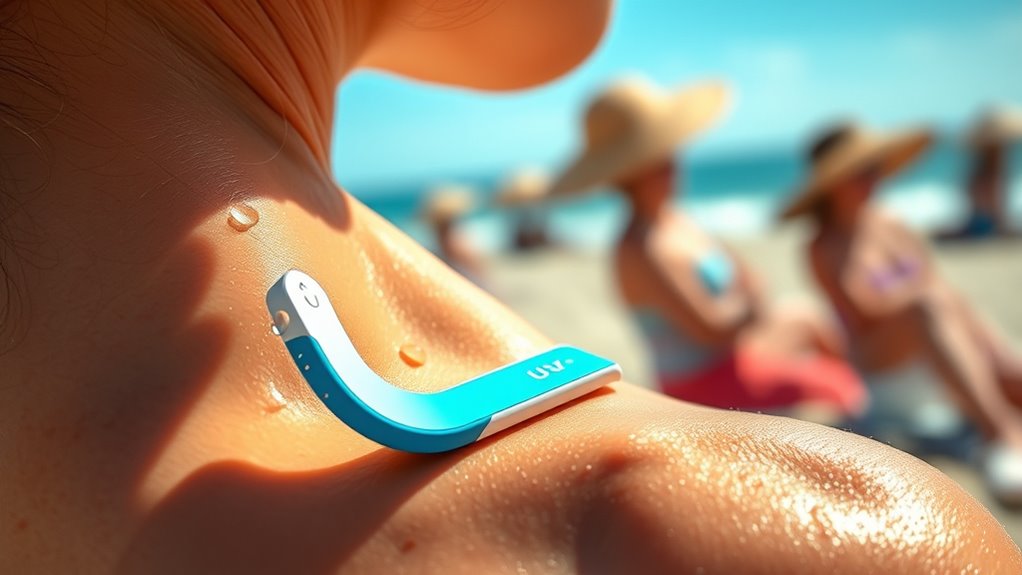
As you step outside, you might not realize how much UV radiation can affect your skin. The sun’s rays may feel warm and inviting, but they can lead to long-term damage, including premature aging and skin cancer. That’s where wearable UV sensors come into play. These innovative devices help you monitor your UV exposure in real-time, allowing you to take proactive steps to protect your skin.
Wearable UV sensors empower you to monitor UV exposure in real-time, helping protect your skin from long-term damage.
When you wear a UV sensor, you get immediate feedback about the level of UV radiation in your environment. It’s like having a personal sun protection assistant on your wrist. The sensors are designed to be lightweight and unobtrusive, making them easy to incorporate into your daily routine. You can wear them while jogging, gardening, or even lounging by the pool. No matter where you are, these devices keep you informed, guaranteeing you’re aware of any potential risks.
One vital aspect of wearable UV sensors is sensor calibration. Proper calibration guarantees that the readings you receive are accurate and reliable. If a sensor isn’t calibrated correctly, it might give false readings, leading you to underestimate your UV exposure. Most reputable brands calibrate their sensors before they hit the market, but it’s always wise to check for any updates or recalibration instructions. Some devices even come with built-in reminders to recalibrate, guaranteeing you always get precise data.
When you know how much UV exposure you’re getting, you can make informed decisions about sun protection. If your sensor indicates high UV levels, you can take immediate action, such as finding shade or applying sunscreen. By doing this, you minimize your risk of sunburn and the long-term skin damage that follows. It’s a simple yet effective way to safeguard your skin health while still enjoying the outdoors.
Incorporating a wearable UV sensor into your lifestyle isn’t just about staying sun-safe; it’s about being proactive. You take control of your skin health, making choices based on real-time information. With the right sensor and regular calibration, you can confidently embrace the sun while minimizing the risks associated with UV exposure. Additionally, understanding the importance of sustainable energy practices can further enhance your commitment to overall health and wellness. So, before you step out into the sunlight, consider strapping on a UV sensor. Your skin will thank you for it.

SpotMyUV UV Detection Stickers for Sunscreen with Patented Dermatrue SPF Sensing Technology, Know When to Reapply Sunscreen to Help Prevent Sunburn, 16 Count
Know When to Re-apply Sunscreen: SpotMyUV is the world's first clinically proven patented UV detection sticker that monitors…
As an affiliate, we earn on qualifying purchases.
As an affiliate, we earn on qualifying purchases.
Frequently Asked Questions
How Do Wearable UV Sensors Work?
Wearable UV sensors use advanced sensor technology to monitor UV radiation levels in real-time. When you wear one, it detects UV light and sends notifications to your device, alerting you about your exposure. These sensors often utilize photodiodes to measure UV intensity, providing accurate data that can help you manage your sun exposure. By understanding this information, you can take proactive steps to protect your skin from potential damage.
Can I Wear UV Sensors in Water?
Yes, you can wear UV sensors in water if they have waterproof features. Many modern sensors are designed to withstand exposure to water, ensuring sensor durability. Just check the manufacturer’s specifications to confirm the waterproof rating. If it’s rated for swimming or water sports, you’re good to go. However, avoid submerging sensors not designed for water, as that could damage them and affect their performance. Always prioritize your sensor’s guidelines for best results.
Are UV Sensors Effective in Winter?
You might think winter means you’re safe from UV rays, but that’s not always true. UV sensors can still be effective during this season, as they measure the sun’s rays reflecting off snow or ice. However, you’ll need to guarantee your sensor’s durability, as cold conditions can affect its performance. So, don’t underestimate seasonal effectiveness; even in winter, staying vigilant about UV exposure is vital for your skin health.
Do These Devices Require Charging?
Yes, these devices do need charging. Depending on the model, the battery life can vary, but most last anywhere from a few days to a couple of weeks on a single charge. You might find yourself charging it more frequently if you use additional features like notifications or syncing. Keeping an eye on the battery level guarantees you’re always protected when you’re out in the sun, so regular charging is essential.
Are There Any Health Risks With UV Sensors?
While UV sensors are generally safe, there are some health risks to take into account. Did you know that about 40% of users worry about data privacy with these devices? Sensor accuracy is vital, as inaccurate readings could lead to overexposure or underprotection from harmful UV rays. It’s important to choose reliable brands and stay informed about the technology to make sure you’re not only protected but also safeguarding your personal information.

Oregon Scientific EB612 Personal UV Monitor with Exposure Timer
Electronic monitor for tracking UV levels and recommending exposure limits
As an affiliate, we earn on qualifying purchases.
As an affiliate, we earn on qualifying purchases.
Conclusion
Just like a vigilant guardian standing watch over a castle, wearable UV sensors protect your skin from the sun’s hidden dangers. By embracing this innovative technology, you’re not just shielding your skin; you’re empowering yourself to enjoy the great outdoors without fear. Think of these sensors as your personal sunbeams, guiding you toward safer choices while you bask in life’s moments. So, strap on that sensor and let it light the way to healthier skin.
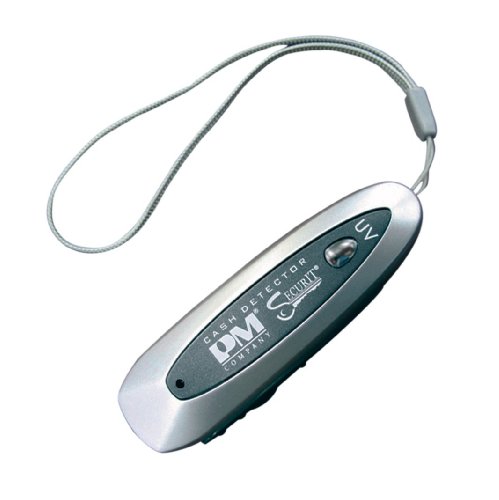
PM Company Securit Mini Counterfeit Bill Detector Uv and Mg with Wristband, Silver (05087)
1 inch x 3 1/2 inch x 1 inch Silver mini counterfeit bill detector pen
As an affiliate, we earn on qualifying purchases.
As an affiliate, we earn on qualifying purchases.

Driving Gloves Women, Cycling Gloves, UV Protection, Sun Women UV Protection, Driving Sun Protection, Silk Hiking Womens Summer Golf Cooling Men Biking Light Hand – 1 Pair Grey & Pink – Short
【2 Pairs Short UV Protection Gloves – Grey & Pink, One Size】: Includes 2 pairs of short sun…
As an affiliate, we earn on qualifying purchases.
As an affiliate, we earn on qualifying purchases.