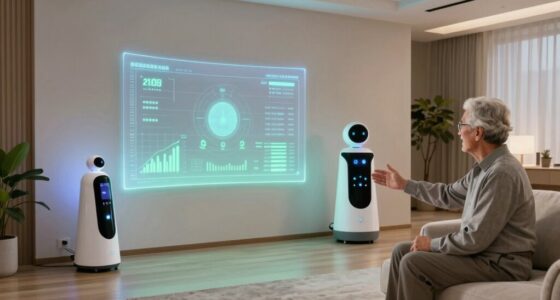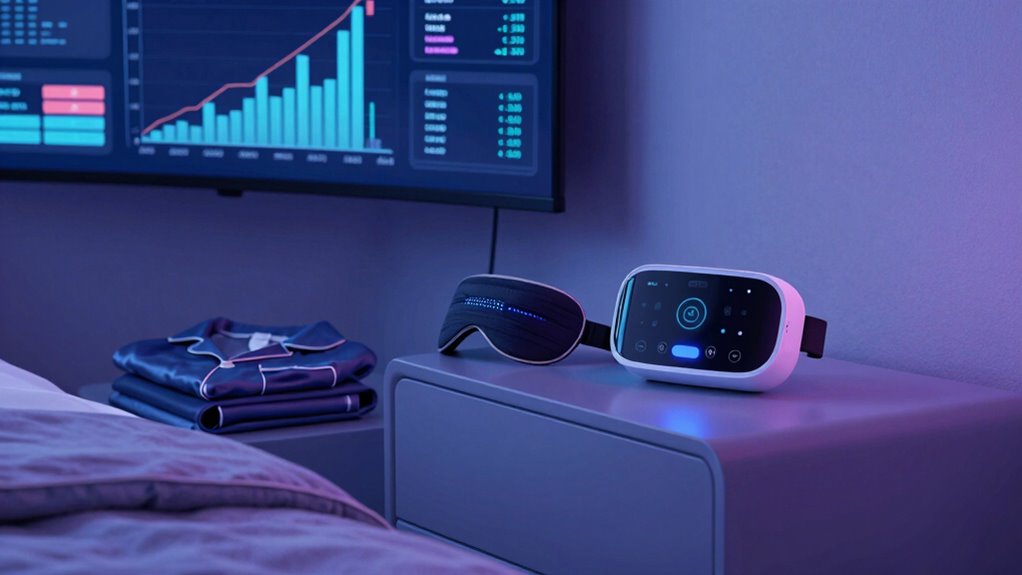

Sleep tech has become a true health category because it offers accurate insights, early warning signs of sleep disorders, and practical ways to improve your sleep quality. With advanced sensors and easy-to-use devices, you can monitor your rest right at home and make informed health decisions. As this technology continues evolving, you’ll discover how it plays a key role in overall wellness—keep exploring to learn more about its growing impact.
Key Takeaways
- Rising awareness of sleep’s critical role in overall health drove the integration of sleep monitoring into wellness routines.
- Advances in sensor technology improved accuracy, making sleep tracking a reliable health assessment tool.
- Wearable devices offer convenient, at-home monitoring, increasing accessibility and user engagement in sleep health.
- Early detection of sleep disorders through tech helps prevent serious health complications.
- The growing focus on holistic health emphasizes sleep as a foundational component, boosting sleep tech’s status as a health category.
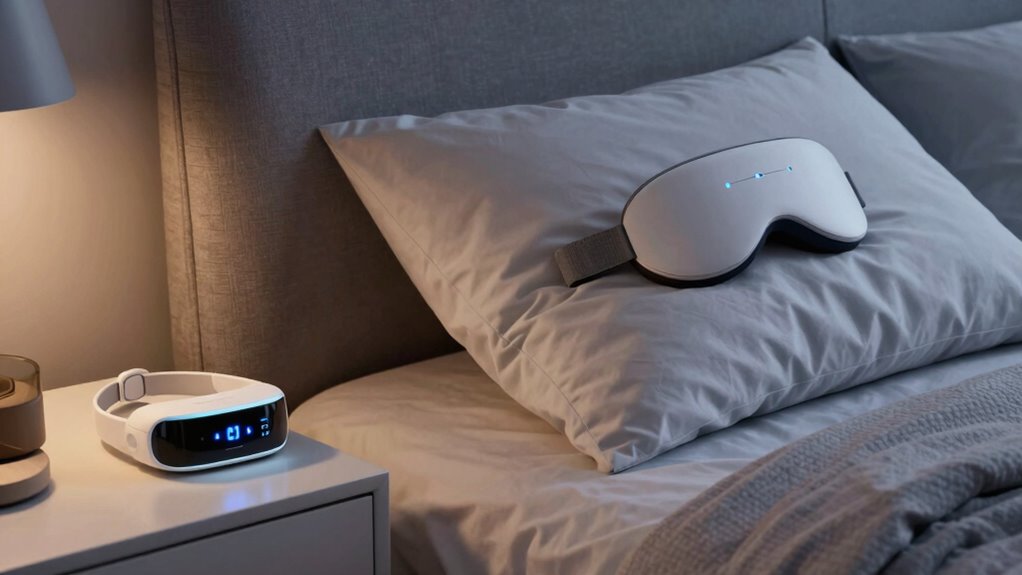
As more people prioritize wellness, sleep technology has emerged as a vital category in health and self-care. You might have noticed how sleep tracking devices have become more common, offering insights into your nightly rest. The reason for this surge is simple: people now understand that quality sleep is fundamental to overall health. Sleep tech helps you monitor and improve your sleep habits, making it an essential part of your wellness routine. Advances in wearable device innovation have played a significant role in this shift, providing more accurate and user-friendly tools to track your sleep patterns.
When you use a sleep tracker, you want to be confident in its sleep tracking accuracy. Early devices often fell short, offering rough estimates rather than precise data. But recent innovations have drastically improved this aspect, allowing you to get detailed insights about your sleep stages, duration, and quality. These devices now leverage sophisticated sensors and algorithms that analyze movement, heart rate, and even breathing patterns to give you a clearer picture of what’s happening during your sleep cycle. This increase in accuracy means you can make better decisions about your health, adjusting your routines based on reliable data rather than guesswork. Understanding the importance of sensor technology enhances your confidence in these devices and their capabilities.
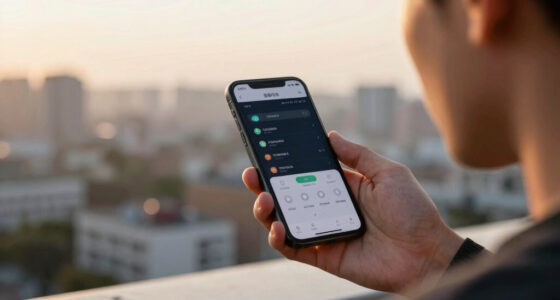
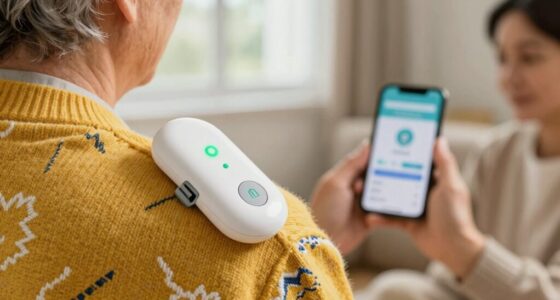
Wearable device innovation has also made sleep tracking more accessible and seamless. Unlike traditional methods, which might have involved cumbersome equipment or clinical settings, today’s wearables are sleek, comfortable, and easy to wear overnight. Many of them sync effortlessly with your smartphone, providing real-time feedback and personalized recommendations. You no longer need to visit a sleep clinic to understand your sleep quality; your wearable device does much of the work for you in the comfort of your own home. This convenience encourages you to stick with healthy sleep habits, knowing you’re continuously monitoring your progress. Additionally, data integration across platforms allows for a more holistic view of your health, connecting sleep data with other wellness metrics. Furthermore, as the technology advances, these devices are increasingly incorporating features that can detect sleep disorders, helping you seek timely medical advice.
The rise of sleep tech as a health category isn’t just about tracking—it’s about empowering you to take control of your sleep health. By understanding your sleep patterns through accurate data and innovative devices, you can identify issues like insomnia, sleep apnea, or restless nights early on. This proactive approach helps you address problems before they escalate, potentially reducing health risks down the line. As sleep tech continues to evolve, you’ll find even more sophisticated tools that integrate with broader health platforms and provide comprehensive wellness insights, making it easier to see how sleep fits into your overall health. Ultimately, this focus on sleep is shaping a future where better rest is recognized as a cornerstone of good health, and you’re at the forefront of that movement. Incorporating wearable sensors into your routine ensures you benefit from the latest in sleep tracking technology for improved health outcomes.
best sleep tracking wearable device
As an affiliate, we earn on qualifying purchases.
As an affiliate, we earn on qualifying purchases.
Frequently Asked Questions
How Does Sleep Tech Improve Overall Mental Health?
Sleep tech improves your overall mental health by enhancing sleep quality, which is essential for emotional regulation and cognitive function. When you use sleep devices or apps, you gain insights into your sleep patterns, helping you make better choices for rest. Better sleep reduces stress, anxiety, and depression, boosting your mental well-being. With consistent use, sleep tech supports a healthier mind, ensuring you wake up refreshed and more resilient to daily challenges.
What Are the Cost Implications of Adopting Sleep Technology?
Think of adopting sleep tech as planting a seed in your health garden. While initial costs might seem high, insurance coverage can help nurture growth, making it more affordable. Over time, market affordability improves as technology advances and demand increases, reducing long-term expenses. Investing in sleep tech now can save you money by potentially decreasing healthcare costs linked to poor sleep. It’s a wise step toward better health and financial savings.
Are There Risks Associated With Sleep Tracking Devices?
Yes, there are risks with sleep tracking devices, especially concerning sleep hygiene. Relying too much on devices can lead to anxiety or obsessive behaviors, disrupting your sleep. Device reliability varies, so inaccurate data might cause you to adjust your sleep patterns unnecessarily. Always consider these risks and use sleep trackers as a helpful tool, not a definitive diagnosis, ensuring they complement healthy sleep habits rather than replace them.
How Accurate Are Consumer Sleep Monitoring Products?
Are consumer sleep monitoring products truly accurate? While sleep tracking devices have improved, their data accuracy can vary. You might find them useful for general trends, but they often miss detailed insights like sleep stages or disturbances. Think of them as helpful tools rather than precise medical instruments. If you’re relying on them for critical health decisions, it’s wise to consult a healthcare professional for more accurate assessments.
Can Sleep Tech Replace Traditional Sleep Medicine?
Sleep tech can’t fully replace traditional sleep medicine yet, but it can support your sleep hygiene and improve overall sleep quality through tech integration. Devices offer valuable insights and help identify issues, prompting timely medical consultation. While they’re great for monitoring and enhancing habits, complex sleep disorders still require professional diagnosis and treatment. So, use sleep tech as a helpful tool, but don’t rely on it solely for serious sleep concerns.
sleep monitor with heart rate and breathing sensors
As an affiliate, we earn on qualifying purchases.
As an affiliate, we earn on qualifying purchases.
Conclusion
You’re stepping into a new dawn, where sleep tech isn’t just gadgets—it’s the heartbeat of your health. Like a gentle tide guiding you to calmer shores, these innovations chart a course to better rest and brighter days. Embrace this wave, let it carry you toward deeper, restorative sleep, transforming nightly rest into a powerful act of self-care. In this evolving landscape, sleep tech is your lighthouse, illuminating a healthier, more vibrant tomorrow.
at-home sleep disorder detection device
As an affiliate, we earn on qualifying purchases.
As an affiliate, we earn on qualifying purchases.
advanced sleep tracker for wellness
As an affiliate, we earn on qualifying purchases.
As an affiliate, we earn on qualifying purchases.