Robotic surgery transforms how you experience surgical procedures with exceptional precision and efficiency. It enhances your surgeon’s control, allowing for delicate tasks like suturing with near-perfect steadiness. As robots assist in various surgeries, you benefit from reduced complications and quicker recovery times. This innovative technology not only boosts surgical outcomes but also pushes the limits of what’s possible in medicine. Discover how these advancements can impact your healthcare journey further.

Prime made for students and young adults
- Fast, free delivery for dorm and study essentials
- Prime Video and Amazon Music included
- Member-only deals
Key Takeaways
- Robotic surgery enhances precision and efficiency, revolutionizing traditional surgical methods through advanced automation technology.
- Surgical robots execute movements with high accuracy, offering steadiness ideal for delicate tasks like suturing and tissue manipulation.
- Surgeons undergo extensive training, including simulations and hands-on practice, to effectively integrate robotic systems into their procedures.
- The versatility of robotic surgery spans various fields, including cardiothoracic and orthopedic procedures, expanding surgical capabilities.
- Patients benefit from shorter recovery times and reduced complications thanks to the minimally invasive techniques employed in robotic surgeries.
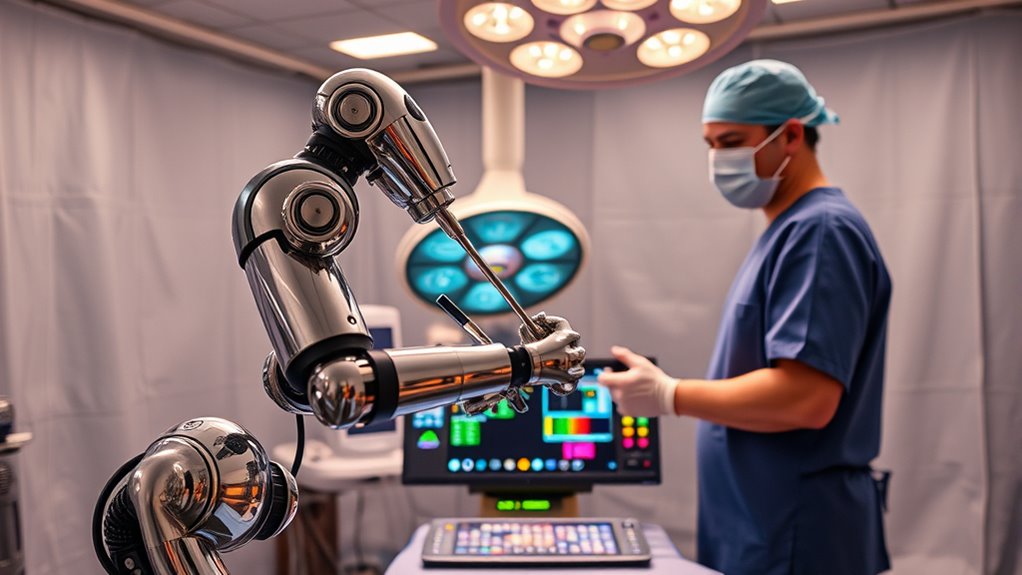
Have you ever wondered how technology can transform surgery? In recent years, robotic surgery has taken the medical field by storm, enhancing precision and efficiency like never before. Imagine a surgical environment where surgical automation plays a pivotal role, allowing surgeons to perform complex procedures with unparalleled accuracy. This transformation is not just a futuristic dream; it’s a reality that’s already happening in operating rooms around the world.
As you explore more into the realm of robotic surgery, you’ll quickly discover that robotic systems are designed to assist surgeons, giving them greater control during procedures. These machines can execute movements with a level of precision that far surpasses human capability. For instance, where a human hand might tremble or shake, a robotic arm can operate with near-perfect steadiness, making it ideal for delicate tasks such as suturing or maneuvering around sensitive tissues. You might find it fascinating how surgeons utilize these systems to enhance their own skills, elevating the entire surgical process.
Robotic training is an essential aspect of this technological leap. Surgeons must undergo rigorous training to master the use of robotic systems. This training often includes simulations that mimic real-life scenarios, allowing surgeons to practice and refine their techniques in a controlled environment. You’d be amazed at how this hands-on approach helps surgeons develop the dexterity and confidence needed to operate with robotic assistance effectively. The more they practice, the more they can integrate surgical automation into their procedures, ultimately improving patient outcomes.
Moreover, robotic surgery isn’t limited to just one type of procedure. From cardiothoracic operations to orthopedic surgeries, the applications are vast. You can see how this versatility might appeal to a wide range of medical professionals. As they harness the power of surgical automation, they’re pushing the boundaries of what’s possible in the operating room. AI technology significantly enhances efficiency, and patients benefit too, often experiencing shorter recovery times and fewer complications due to the minimally invasive nature of robotic procedures.
As an affiliate, we earn on qualifying purchases.
Frequently Asked Questions
How Much Does Robotic Surgery Typically Cost?
Robotic surgery typically costs between $10,000 and $20,000. However, pricing factors like the type of procedure, hospital fees, and surgeon expertise can considerably affect that number. When you do a cost comparison with traditional surgery, robotic options might seem pricier, but they often lead to quicker recovery times and fewer complications. It’s essential to discuss these aspects with your healthcare provider to get a clearer understanding of potential expenses.
What Types of Surgeries Are Commonly Performed Robotically?
You know how a skilled pianist hits the right keys effortlessly? That’s what robotic surgical innovations allow for in the operating room. Common surgeries performed robotically include prostatectomies, hysterectomies, and heart valve repairs. Surgeons train rigorously to master these advanced techniques, ensuring precision and reduced recovery time for patients. Just like musicians refine their craft, surgeons adapt their skills to harness the power of robotic technology, transforming patient care in the process.
Are There Risks Associated With Robotic Surgery?
Yes, there are risks associated with robotic surgery. Your surgeon’s experience plays a vital role; a well-trained surgeon can minimize those risks effectively. However, technological limitations can occasionally lead to complications, such as equipment malfunctions or issues with precision. It is important to discuss these potential risks with your surgeon beforehand, ensuring you understand both the benefits and drawbacks of the procedure. Being informed helps you make the best decision for your health.
How Long Is the Recovery Time After Robotic Surgery?
Recovery time after robotic surgery typically varies between a few days to several weeks, depending on the procedure. You might experience some postoperative pain, but it’s usually manageable with medication. Most patients start feeling better within a week, gradually returning to normal activities. However, it’s important to follow your doctor’s recovery timeline to make certain everything heals properly. Listen to your body, and don’t rush the healing process for the best results.
Do Insurance Plans Cover Robotic Surgery Procedures?
Most insurance plans do cover robotic surgery procedures, but it’s essential to verify your specific policy. Coverage can vary widely based on your insurance provider and the procedure’s necessity. Cost considerations play a big role, so you should confirm any potential out-of-pocket expenses beforehand. Be proactive in discussing your options with your healthcare provider and insurance representative to ensure you’re fully informed about what’s covered and any financial implications.
As an affiliate, we earn on qualifying purchases.
Conclusion
In the world of surgery, robotic arms act like skilled artists, painting precision onto the canvas of the human body. Just as a maestro conducts a symphony, these machines harmonize technology and human expertise to create seamless outcomes. Imagine a delicate ballet, where every movement is choreographed to perfection; that’s the beauty of robotic surgery. As we embrace this innovation, we’re not just enhancing precision—we’re redefining the very essence of healing and care.
minimally invasive surgical tools
As an affiliate, we earn on qualifying purchases.
As an affiliate, we earn on qualifying purchases.
As an affiliate, we earn on qualifying purchases.
Halloween Picks
halloween
As an affiliate, we earn on qualifying purchases.