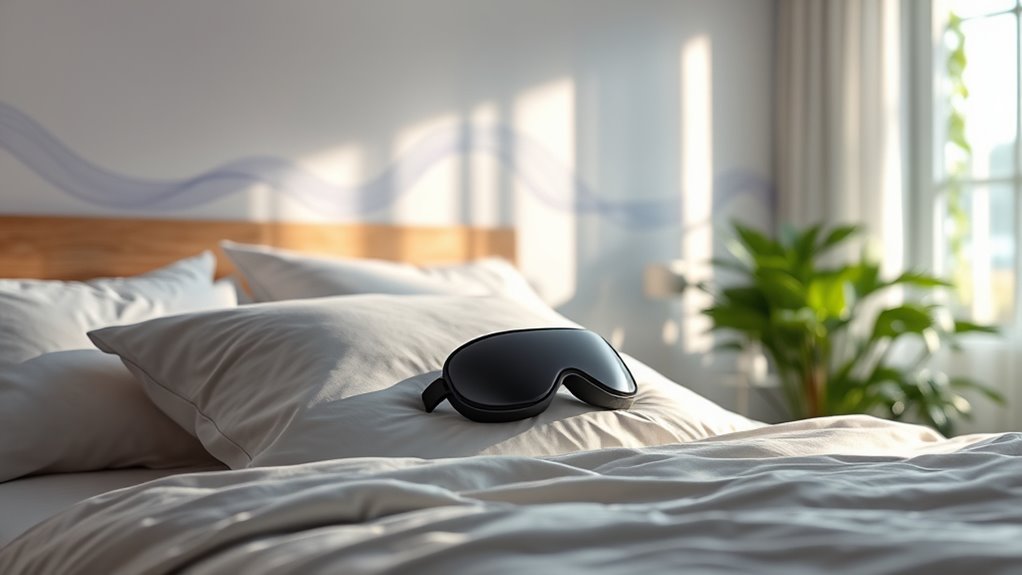

Brainwave synchronizing sleep tech helps you achieve restorative slumber by tapping into your brain’s natural rhythms. This innovative technology uses neurofeedback to monitor your brainwaves in real-time, promoting relaxation and deeper sleep. As you use it regularly, you’ll find it easier to fall asleep and maintain consistent cycles. Plus, the incorporation of lucid dreaming aids can enhance your nighttime experiences. Stick around to discover more about how this technology can optimize your sleep quality and overall well-being.

Prime made for students and young adults
- Fast, free delivery for dorm and study essentials
- Prime Video and Amazon Music included
- Member-only deals
Key Takeaways
- Brainwave synchronizing sleep tech enhances sleep quality by utilizing neurofeedback therapy to monitor and shift brainwave patterns toward relaxation.
- Regular use promotes easier transitions into restful sleep, supporting consistent sleep cycles and preventing interruptions.
- The combination of neurofeedback and lucid dreaming aids allows for conscious control within dreams, enhancing the overall sleep experience.
- This technology contributes to improved mood and cognitive function, fostering better mental and emotional health through restorative slumber.
- Empowering individuals to take control of their sleep enhances overall wellness and promotes a healthier, more vibrant lifestyle.

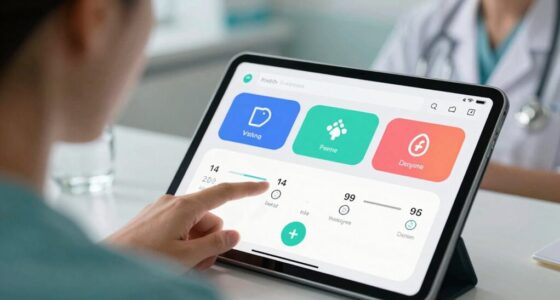
In today’s fast-paced world, getting a good night’s sleep can feel elusive, but brainwave sleep tech offers promising solutions. You might be wondering how this technology works. Essentially, it taps into the brain’s natural rhythms to enhance your sleep quality. One of the most exciting aspects of this tech is neurofeedback therapy. By monitoring your brainwaves in real-time, this therapy helps you become more aware of your mental state. You’ll learn how to shift your brainwave patterns to promote relaxation and deeper sleep. With regular sessions, you might find it easier to shift into that restful state you’ve been craving.
Brainwave sleep tech harnesses your brain’s rhythms, using neurofeedback therapy to enhance relaxation and improve sleep quality.
Neurofeedback therapy isn’t just about falling asleep; it also helps you stay asleep. If you often wake up in the middle of the night, this tech can assist in retraining your brain to maintain a consistent sleep cycle. You’ll likely notice improvements in your overall mood and cognitive function as well, making it a holistic approach to sleep health. Imagine waking up feeling refreshed and ready to tackle the day, all thanks to a few simple adjustments in your brainwave activity.
But that’s not all. Brainwave sleep tech also includes lucid dreaming aids, which can be an exciting and transformative experience. If you’ve ever wanted to take control of your dreams, these aids can help you achieve that. By utilizing specific sound frequencies or visual cues while you sleep, you can train your brain to recognize when you’re dreaming. This awareness can lead to exhilarating experiences where you can explore your imagination freely. It’s a great way to add a bit of creativity to your nightly routine.
Combining neurofeedback therapy with lucid dreaming aids might be the ultimate solution for anyone struggling with sleep. Not only can you enhance the quality of your rest, but you can also transform your dreaming experience. Think about how empowering it would be to wake up feeling rejuvenated, while also having taken adventures in your dreams. As you explore these brainwave sleep tech options, you could access a new realm of restorative slumber that supports both your mental and emotional well-being. Additionally, improving your sleep quality can have significant benefits for your overall health and wellness, making it a vital component of your daily routine.
In essence, embracing brainwave sleep tech can lead to profound changes in how you sleep and dream. You’ll be taking a significant step towards achieving the restful nights you deserve, setting the stage for a healthier and more vibrant life.
As an affiliate, we earn on qualifying purchases.
Frequently Asked Questions
How Does Brainwave Synchronizing Technology Work for Sleep Improvement?
Brainwave synchronizing technology improves your sleep through neural entrainment, where external stimuli align your brainwaves to specific frequencies. It uses sound or light to modulate your brain’s activity, guiding it into restful states. For instance, gentle beats or rhythmic patterns can help lower your brainwave frequency, making it easier for you to enter deep sleep. By consistently using this tech, you can enhance your overall sleep quality and feel more rejuvenated.
Are There Any Side Effects of Using Sleep Tech Devices?
Using sleep tech devices can lead to some side effects, like disrupted sleep patterns for about 20% of users. You should consider device compatibility with your existing gadgets and your budget, as some high-end models can be pricey. While these devices often promise better rest, they may also cause anxiety about sleep quality or reliance on technology. It’s smart to weigh the pros and cons before diving into sleep tech.
Can Brainwave Synchronization Help With Sleep Disorders?
Yes, brainwave synchronization can help with sleep disorders. By promoting a state of relaxation, it enhances your ability to fall asleep and stay asleep. Pairing this technique with mindfulness meditation and dietary adjustments can amplify its effects. You’ll find that focusing on your breath during meditation calms your mind, while eating lighter meals in the evening may prevent sleep disruptions. Together, these practices create a holistic approach to improving your sleep quality.
How Long Does It Take to See Results From Sleep Tech?
You might feel like Odysseus steering a storm when trying new sleep tech. Usually, you’ll notice improvements in sleep quality within a few weeks of consistent use. However, the device longevity and your individual sleep habits play a vital role. If you stay committed, you’ll likely experience significant benefits. Just remember, everyone’s journey varies, so give yourself time to adapt. Your restful nights could be just a few nights away!
Is Brainwave Synchronizing Sleep Tech Suitable for All Age Groups?
Brainwave synchronizing sleep tech isn’t suitable for all age groups. When considering age appropriateness, think about developmental considerations—children’s brains are still developing and may react differently compared to adults. While some teens and adults might benefit from this technology, it’s vital to consult a healthcare professional before introducing it to younger individuals. You want to make certain that any sleep tech you use aligns with their specific developmental needs and health requirements.
As an affiliate, we earn on qualifying purchases.
Conclusion
As you explore the domain of brainwave synchronizing sleep technology, it’s clear that the potential for restorative slumber is immense. While some skeptics argue that the science isn’t fully understood, emerging research suggests that aligning brainwaves can indeed enhance sleep quality and promote recovery. So, if you’re seeking a deeper, more rejuvenating rest, embracing this innovative tech could be the key. After all, a well-rested mind is often the foundation for a vibrant life.
As an affiliate, we earn on qualifying purchases.
As an affiliate, we earn on qualifying purchases.
Halloween Picks
halloween
As an affiliate, we earn on qualifying purchases.