📊 Full opportunity report: How Digital MSK Tests Support Remote And Hybrid Workforces on IdeaNavigator AI — validation score, market gap, and execution plan.

Prime made for students and young adults
- Fast, free delivery for dorm and study essentials
- Prime Video and Amazon Music included
- Member-only deals
TL;DR

Digital musculoskeletal (MSK) testing tools now enable remote workers to self-assess mobility and posture via smartphone cameras. Employers can identify early MSK risks and intervene before costly medical claims arise, supporting hybrid and remote workforces.
Digital MSK testing tools that enable remote employees to self-assess their mobility, strength, and posture are entering pilot phases, offering a new way for employers to monitor musculoskeletal health in hybrid workforces. These assessments use smartphone cameras and pose estimation technology to identify early signs of MSK decline, potentially reducing costly healthcare claims and improving employee well-being, especially as remote and hybrid work arrangements become permanent.
Employers, particularly those with large, distributed workforces, face rising challenges in managing musculoskeletal (MSK) health due to increased sedentary behavior associated with remote and hybrid work models. The shift has led to a surge in neck, back, and posture-related MSK issues, which traditionally are detected only after employees experience pain or injury, often resulting in significant medical costs and work disruptions.
To address this, a new generation of digital MSK assessment tools is being developed. These tools consist of web and mobile platforms guiding employees through a series of strength, mobility, and posture tests—such as sit-to-stand repetitions, shoulder and hip range-of-motion evaluations, plank and wall-sit holds, and seated posture photographs—using only their smartphone cameras. Pose estimation algorithms analyze movement quality and produce individual MSK risk scores, along with personalized corrective routines and progress tracking.
According to sources familiar with the development, pilot programs are planned with one or two employers to validate the technology’s scoring accuracy, engagement levels, and correlation with established clinical assessments. The goal is to enable early detection of MSK issues before they escalate into costly medical claims, thereby supporting preventive health strategies in remote work environments.
Employers will access aggregate dashboards showing team-level trends and engagement metrics, with the option to refer employees with elevated risk scores to clinical MSK or physical therapy providers. Revenue models include SaaS subscriptions on a per-employee basis, with optional outcomes-based pricing and revenue-sharing arrangements with clinical partners. The initial focus is on demonstrating high completion and retention rates, along with validated scoring accuracy, to secure broader adoption.
Implications for Employer Healthcare Costs and Employee Well-being
This new approach could significantly impact how companies manage employee health in remote and hybrid settings. By enabling early detection of MSK risks, employers can implement targeted interventions, potentially reducing medical claims related to MSK conditions, which are already a top driver of healthcare costs. Additionally, early identification supports employee well-being by preventing pain and mobility decline, which can affect productivity and job satisfaction.
Furthermore, this technology aligns with broader trends toward proactive health management and digital health innovation. As hybrid work persists, tools that facilitate self-assessment and early intervention become increasingly valuable, especially for self-insured employers seeking cost-effective, scalable solutions.
However, questions remain about the accuracy of pose estimation-based scoring compared to clinical standards, employee privacy concerns, and the integration of these tools into existing benefits programs. The success of pilot deployments will determine whether these digital assessments become a standard component of remote work health strategies.
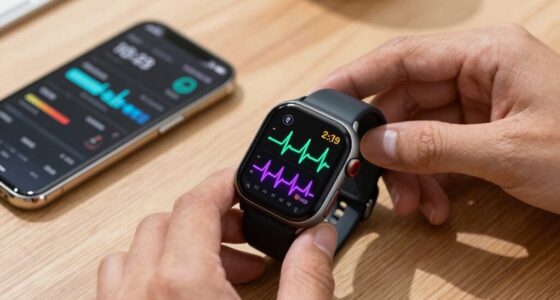
digital musculoskeletal assessment app
As an affiliate, we earn on qualifying purchases.
As an affiliate, we earn on qualifying purchases.
Remote Work and Rising MSK Health Challenges
The shift toward remote and hybrid work models has been accelerated by recent global events, with a significant portion of knowledge workers now working from home permanently. This transition has led to a reduction in incidental movement, commutes, and ergonomic office setups, which previously helped mitigate sedentary-related MSK issues.
Industry data indicates that MSK conditions are among the top causes of workplace healthcare claims, with costs rising as more employees experience back, neck, and posture-related problems. Traditionally, MSK issues are addressed reactively, after pain or injury occurs, often leading to costly medical interventions and work absences.
Technological advancements in smartphone-based pose estimation and motion capture have matured sufficiently to enable self-guided assessments without sensors or clinical oversight. These innovations open new opportunities for early screening, prevention, and ongoing monitoring, especially in distributed workforces.
Several startups and health tech companies are now exploring or testing digital MSK assessment platforms, targeting employer health benefits as a scalable solution to curb rising MSK costs and improve employee health outcomes.
As an affiliate, we earn on qualifying purchases.
Validation, Privacy, and Integration Challenges
While pilot programs are planned, it is still unclear how accurately pose estimation-based risk scores will correlate with clinical assessments. The technology’s validation against established standards like the Nordic Musculoskeletal Questionnaire remains ongoing. Privacy concerns around employee data collection and storage also pose potential barriers, and integration with existing benefits platforms is yet to be fully tested. Additionally, employee engagement and willingness to perform self-assessments regularly are still being evaluated in pilot phases.
As an affiliate, we earn on qualifying purchases.
Next Steps for Pilot Deployment and Validation
Within the next 3 to 6 months, pilot deployments are expected to commence with selected employers. These pilots will focus on measuring assessment completion rates, retention, and the validity of scoring compared to clinical benchmarks. Success in these areas could lead to broader adoption across industries, with eventual integration into comprehensive employee health benefits. Companies and vendors will also refine data privacy protocols and user engagement strategies based on initial feedback.
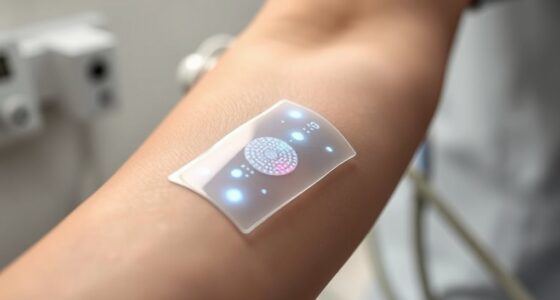
remote employee health monitoring software
As an affiliate, we earn on qualifying purchases.
As an affiliate, we earn on qualifying purchases.
Key Questions
How reliable are smartphone-based MSK assessments compared to clinical evaluations?
Validation efforts are ongoing, but early results suggest that pose estimation algorithms can provide useful risk indicators. Full clinical validation is still in progress to establish accuracy levels comparable to in-person assessments.
Will employee privacy be protected with these digital assessments?
Developers emphasize privacy-safe data collection, with anonymized aggregate dashboards and consent protocols. However, privacy concerns remain a key consideration in pilot implementations.
Can these tools replace traditional MSK care or physical therapy?
No, they are designed for early screening and ongoing monitoring, not replacement for professional clinical evaluation or treatment. They aim to identify risks early and facilitate timely intervention.
What industries are most likely to adopt these digital MSK assessments?
Large, self-insured employers with significant remote workforces, particularly in technology, finance, and consulting sectors, are leading early adoption efforts.
When might these tools become widely available for employers?
If pilot programs are successful, commercial offerings could be available within the next 12 to 18 months, with broader industry adoption following.
Source: IdeaNavigator AI
Halloween Picks
halloween
As an affiliate, we earn on qualifying purchases.


![Terence Tao: Math 2.0 [Pdf]](https://thegeniusfactory.net/wp-content/uploads/2026/10/terence-tao-math-2-0-pdf-featured-260x140.jpg)