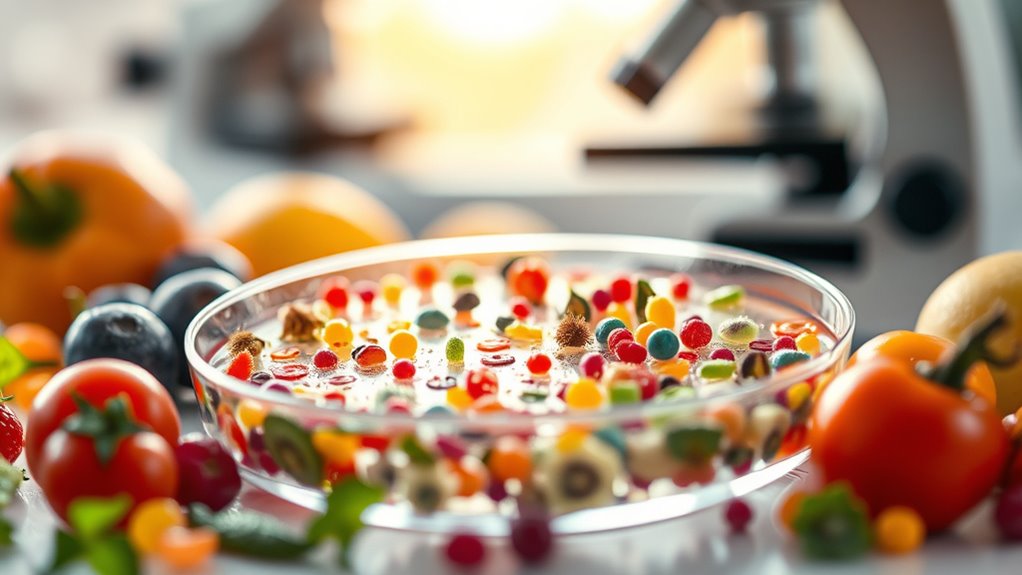

The gut microbiome is your body’s hidden powerhouse, and its diversity is vital for your overall health. A diverse microbiome supports digestion, immune function, and can help prevent diseases like obesity and diabetes. Your diet plays a significant role in maintaining this balance; think colorful fruits, vegetables, and whole grains. Probiotics and prebiotics can further enhance microbiome diversity and health. Want to access the full potential of your gut microbiome? Discover more about how to optimize it.
Key Takeaways
- Gut microbiome diversity is crucial for overall health, influencing bodily functions and disease prevention.
- Diet significantly affects microbiota balance, with fruits, vegetables, and whole grains enhancing microbial diversity.
- Probiotics and prebiotics play vital roles in restoring and nourishing gut health, especially after disruptions.
- Research on gut microbiome therapies offers promising avenues for personalized health and wellness strategies.
- Maintaining a diverse microbiome supports digestion, immune function, and mental well-being, making it essential for holistic health.

As researchers dive deeper into gut microbiome research, they’re uncovering how the trillions of microorganisms living in your digestive system can profoundly impact your health. These tiny organisms, often referred to as your gut microbiota, play a vital role in everything from digestion to immune function. One key finding is that microbiome diversity—the variety of different microbes residing in your gut—can considerably influence your overall well-being. A diverse microbiome acts like a robust ecosystem, supporting various bodily functions and even helping to fend off diseases.
The trillions of microorganisms in your gut significantly influence your health and well-being through microbiome diversity.
When you think about your gut health, it’s important to consider the balance of these microorganisms. Too much of one type and not enough of another can lead to dysbiosis, which is linked to conditions like obesity, diabetes, and even mental health issues. Maintaining microbiome diversity can be achieved through dietary choices and smart supplementation. Including a wide range of fruits, vegetables, and whole grains in your meals can help nourish a diverse array of gut microbes.
Probiotic therapies are emerging as a popular method to enhance microbiome diversity and support gut health. These therapies involve consuming live bacteria, usually found in fermented foods or supplements, that can positively influence your gut environment. When you incorporate probiotics into your routine, you’re fundamentally adding beneficial microbes that can help restore balance and promote diversity. This is especially useful after taking antibiotics or when experiencing digestive distress. Additionally, suspension upgrades in your diet, similar to how they improve handling in cars, can lead to better digestive health.
However, not all probiotics are created equal. It’s vital to choose strains that have been studied for their specific health benefits. Different strains can have varying effects on your body, so knowing what you need is fundamental. It’s also important to remember that while probiotics can be beneficial, they’re most effective when combined with a healthy lifestyle.
You should also consider prebiotics, which are non-digestible fibers that feed your beneficial gut bacteria. They’re found in foods like garlic, onions, and asparagus, and they can boost the effectiveness of your probiotic therapies. By combining probiotics and prebiotics, you create an environment that fosters microbiome diversity, enhancing your gut health even further.
Frequently Asked Questions
How Can I Improve My Gut Microbiome Health?
To improve your gut microbiome health, focus on increasing your fiber intake and incorporating fermented foods into your diet. Foods like yogurt, kimchi, and sauerkraut provide fermentation benefits that help nurture healthy bacteria. Aim for a variety of fruits, vegetables, and whole grains to boost fiber, which supports digestion and gut health. Staying hydrated and reducing processed foods also plays a vital role in maintaining a balanced microbiome. You’ll feel the difference!
What Foods Are Best for Gut Microbiome Diversity?
“You are what you eat!” To boost your gut microbiome diversity, focus on including fermented foods like yogurt, sauerkraut, and kimchi in your diet. These foods introduce beneficial bacteria. Don’t forget to load up on dietary fibers found in fruits, vegetables, legumes, and whole grains, which feed those good bacteria. By mixing these foods into your meals, you’ll create a thriving environment for your gut health, enhancing overall wellness.
Are Probiotics Necessary for Everyone?
Probiotics aren’t necessary for everyone, but they can benefit some individuals. If you’ve got an imbalance in your gut flora, specific probiotic strains might help restore that balance. Regularly consuming fermented foods can also support gut health naturally. Listening to your body and consulting with a healthcare professional can guide you on whether you should incorporate probiotics into your routine. Ultimately, maintaining a diverse diet is key to a healthy gut.
Can Stress Affect My Gut Microbiome?
Yes, stress can profoundly impact your gut microbiome. When you’re stressed, it can disrupt the balance of beneficial bacteria, weakening your microbiome’s resilience. This imbalance may lead to digestive issues and other health problems. By managing stress through relaxation techniques, exercise, or mindfulness, you can help support your gut health. Remember, a balanced microbiome is essential for overall wellness, so taking care of your mental health is just as important.
How Does Age Impact the Gut Microbiome?
Age impacts your gut microbiome by contributing to microbiome aging and age-related dysbiosis. As you get older, the diversity and composition of your gut bacteria can change, often leading to a decline in beneficial species and an increase in harmful ones. This shift can affect digestion, immunity, and overall health. Maintaining a balanced diet and healthy lifestyle can help counteract these changes and support a thriving microbiome throughout your life.
Conclusion
As you explore the world of gut microbiome research, remember that knowledge is power. By understanding how your gut health impacts your overall wellness, you can take proactive steps toward a healthier life. The more you learn, the better equipped you’ll be to make choices that benefit your gut and, in turn, your entire body. So, don’t just scratch the surface—delve deeper and uncover the secrets to thriving health!