TL;DR

Prime made for students and young adults
- Fast, free delivery for dorm and study essentials
- Prime Video and Amazon Music included
- Member-only deals
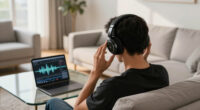
A webcam-based app that tracks blink rate and prompts breaks is being tested as an effective way for remote workers to combat eye strain. The technology uses on-device computer vision to provide real-time feedback without sending video data externally.
A webcam-based application that estimates blink rate and prompts breaks to reduce eye strain is being tested for remote workers who spend over 8 hours daily at their laptops. The technology aims to address the lack of objective signals for eye fatigue, which often leads to dry, tired eyes and headaches.
Recent advancements in computer vision enable webcams to estimate blink rate and monitor screen distance without transmitting video data externally. This innovation is being tested as a short-term solution to improve eye comfort for remote knowledge workers.
The proposed application logs daily eye comfort scores and nudges users to follow the 20-20-20 rule—looking 20 feet away for 20 seconds—when blink rates drop below healthy levels. The initial pilot involves twenty remote workers over a two-week period, with the goal of assessing whether such interventions improve self-reported eye comfort and break adherence.
According to an anonymous researcher involved in the project, this approach offers a practical, privacy-preserving way to address digital eye strain, which has increased significantly during the rise of remote work.
Impact of Webcam-Based Eye Health Monitoring
This development could provide an accessible, low-cost method for remote workers to manage eye health proactively. As screen time continues to rise, tools that objectively monitor blink rate and encourage regular breaks may reduce the prevalence of digital eye strain symptoms, such as dryness, fatigue, and headaches.
Adoption of such technology could also influence workplace wellness strategies, emphasizing preventive measures for eye health in remote and hybrid work environments. The market for digital eye strain solutions is expanding, and this innovation could become a key component of future wellness offerings.
As an affiliate, we earn on qualifying purchases.
Rise of Screen Time and Eye Strain Challenges
The shift toward remote and hybrid work models has led to increased daily screen time for many employees, often exceeding 8 hours. This has contributed to a surge in digital eye strain, with symptoms including dryness, fatigue, and headaches, affecting productivity and well-being.
Current solutions largely rely on self-awareness and manual breaks, which are often neglected or delayed until symptoms become severe. Recent technological advances in computer vision now enable webcams to monitor blink rate and screen distance objectively, opening new avenues for preventive eye care.
While the concept of using webcams for eye health is emerging, it is still in pilot testing phases, with no widespread commercial deployment yet. The effectiveness and privacy implications of such tools are still being evaluated.
“This approach offers a practical, privacy-preserving way to address digital eye strain among remote workers.”
— an anonymous researcher
blink rate tracking software for computers
As an affiliate, we earn on qualifying purchases.
As an affiliate, we earn on qualifying purchases.
Uncertainties in Effectiveness and Privacy
It is not yet confirmed how effective the blink-rate nudges will be in reducing symptoms long-term. The pilot study is ongoing, and results are pending. Additionally, questions remain about user acceptance, privacy concerns, and how accurately webcams can estimate blink rate without false positives or negatives.
digital eye strain prevention tools
As an affiliate, we earn on qualifying purchases.
As an affiliate, we earn on qualifying purchases.
Next Steps in Development and Testing
The current pilot involving twenty remote workers will conclude within two weeks, with data analyzed to determine if eye comfort and break adherence improve significantly. If successful, developers plan to refine the app and expand testing to larger populations before considering commercial release.
Further research will explore long-term benefits, integration with existing remote work tools, and addressing privacy safeguards to ensure user trust and compliance.
remote work eye break reminder device
As an affiliate, we earn on qualifying purchases.
As an affiliate, we earn on qualifying purchases.
Key Questions
How does the webcam app estimate blink rate?
The app uses on-device computer vision algorithms to analyze video feed from the webcam, detecting eye movements and blinking patterns without transmitting video data externally.
Will this technology work on all laptops and webcams?
The initial tests are designed for common webcams integrated into laptops, but compatibility will depend on the specific hardware and software requirements set by developers.
Is this solution safe for privacy?
Yes, the app processes video data locally on the device, meaning no video footage is sent or stored externally, addressing privacy concerns.
When might this technology be available commercially?
If pilot results are positive, developers aim to refine the application and conduct larger-scale testing within the next year, with potential commercial release following successful validation.
Source: IdeaNavigator AI
Columbus Day / Indigenous Peoples' Day Picks
long weekend sales
As an affiliate, we earn on qualifying purchases.