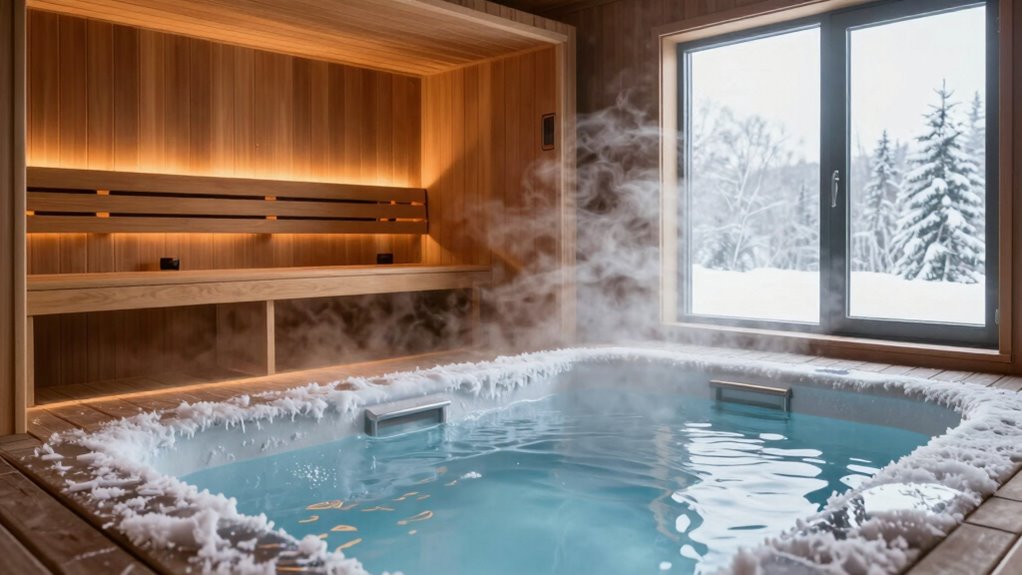

Infrared saunas have gained popularity for their ability to deliver deep, soothing heat with less energy and space than traditional saunas. The OUTEXER Infrared Sauna Home Sauna Spa Room stands out as the best overall pick thanks to its quality build and versatile features. For those seeking affordability, the Kanlanth 1 Person Far Infrared Sauna offers solid performance at a lower price point. Meanwhile, the Albott 4 Person Infrared Sauna appeals to families or small groups who want more space and multi-color therapy options. Readers face choices between premium features like Bluetooth speakers and light therapy versus simpler, more budget-friendly models. Continue reading for the full breakdown of each option and how to pick the best infrared sauna for your home.

Prime made for students and young adults
- Fast, free delivery for dorm and study essentials
- Prime Video and Amazon Music included
- Member-only deals
Complete the kit


Key Takeaways
- Top models balance performance, build quality, and added features like light therapy or Bluetooth for enhanced relaxation.
- Size and capacity vary widely; choose based on available space and intended use, whether solo or for multiple people.
- Higher wattage models generally heat faster and maintain temperature better, but can consume more power and cost more upfront.
- Features like EMF reduction, FDA-certified light therapy, and Bluetooth connectivity differentiate premium options from basic models.
- Price often correlates with additional features and build quality, but budget models can still provide effective heat therapy for beginners.
| OUTEXER Infrared Sauna Home Sauna Spa Room with Chilean Pine Wood, 1200W, 120V |  | Best Overall Compact Infrared Sauna | Material: Chilean Pine wood | Power: 1200W | Voltage: 120V | VIEW ON AMAZON | See Our Full Breakdown |
| OUTEXER Far Infrared Sauna Home Sauna Spa Room Canadian Hemlock Wood 1200W |  | Best for Therapeutic Light and Natural Materials | Material: Canadian Hemlock wood | Power: 1200W | Dimensions: 27 x 35.02 x 60.98 inches | VIEW ON AMAZON | See Our Full Breakdown |
| Infrared Sauna with FDA-Certified Red Light Therapy 660nm & 850nm |  | Best for Red Light Therapy and Fast Heating | Heating Power: 1170W | Temperature Range: Up to 149°F | Light Wavelengths: 660nm & 850nm | VIEW ON AMAZON | See Our Full Breakdown |
| Kanlanth 1 Person Far Infrared Sauna, 950W Indoor Home Sauna |  | Best Space-Saving Personal Sauna | Dimensions: 36.6″ x 29.3″ | Power: 950W | Voltage: 120V/15A | VIEW ON AMAZON | See Our Full Breakdown |
| DYNAMIC SAUNAS Elite 1-Person Infrared Sauna with Red Light Therapy |  | Best for Red Light and Chromotherapy Wellness | Material: Pacific clear cedar wood | Glass Type: Tempered glass | Heating Panels: 4 Carbon PureTech | VIEW ON AMAZON | See Our Full Breakdown |
| KASUE 2 Person Portable Infrared Sauna with 660nm and 850nm Light System |  | Best Overall for Versatile Home Use | Dimensions: 71 in H x 49 in W x 36 in D | Capacity: 2 persons | Light Wavelengths: 660nm red, 850nm near-infrared | VIEW ON AMAZON | See Our Full Breakdown |
| OUTEXER One Person Infrared Sauna with Chilean Pine Wood and Starry Sky Light |  | Best for Relaxation and Home Spa Enthusiasts | Product Dimensions: 30.7 x 30.7 x 62.2 inches | Item Weight: 150 pounds | Power: 1050W | VIEW ON AMAZON | See Our Full Breakdown |
| Dynamic Saunas Andora 2-Person Low EMF FAR Infrared Sauna with Red Light Therapy & Bluetooth Speakers |  | Best for Efficient Home Wellness for Two | Material: Canadian Hemlock | Number of Persons: 2 | Heating Technology: Low EMF carbon infrared panels | VIEW ON AMAZON | See Our Full Breakdown |
| Albott 4 Person Infrared Sauna with 7-Color Light Therapy, 2145W |  | Best for Family or Group Use with Full Features | Power: 2145W | Seats: 4 | Material: Canadian hemlock wood | VIEW ON AMAZON | See Our Full Breakdown |
| X-Vcak 1-2 Person Infrared Sauna with Red Light Therapy, Bluetooth, and 7-Color Therapy Light |  | Best for Compact Personal Use with Therapy and Entertainment | Product Dimensions: 40 x 36 x 73 inches | Item Weight: 231 pounds | Power: 1450W | VIEW ON AMAZON | See Our Full Breakdown |
| infrared sauna | Material | Power |
|---|---|---|
| OUTEXER Infrared Sauna Home Sa | Chilean Pine wood | 1200W |
| OUTEXER Far Infrared Sauna Hom | Canadian Hemlock wood | 1200W |
| Infrared Sauna with FDA-Certif | Solid Canadian Hemlock | — |
| Kanlanth 1 Person Far Infrared | Solid Spruce Wood | 950W |
| DYNAMIC SAUNAS Elite 1-Person | Pacific clear cedar wood | — |
| KASUE 2 Person Portable Infrar | Multi-layer insulated fabric | — |
| OUTEXER One Person Infrared Sa | Chilean Pine Wood | 1050W |
| Dynamic Saunas Andora 2-Person | Canadian Hemlock | — |
| Albott 4 Person Infrared Sauna | Canadian hemlock wood | 2145W |
| X-Vcak 1-2 Person Infrared Sau | — | 1450W |
More Details on Our Top Picks
OUTEXER Infrared Sauna Home Sauna Spa Room with Chilean Pine Wood, 1200W, 120V
This OUTEXER sauna stands out for its durable Chilean Pine construction and versatile features, making it ideal for those seeking a reliable, space-efficient home sauna. Its 1200W heating system provides sufficient warmth for relaxing sessions, and the built-in entertainment system enhances the experience. Compared with the Canadian Hemlock-based models, it offers a slightly more energy-efficient design, though its smaller size may not suit larger users or those wanting a multi-person setup. The controls can seem complex for some, but the safety protections add peace of mind. Overall, this sauna is a solid choice for individuals prioritizing quality, safety, and entertainment in a compact form.
Pros:- High-quality durable Chilean Pine wood construction
- Adjustable temperature with integrated safety features
- Built-in entertainment system for enhanced relaxation
- Energy-efficient 1200W heating
Cons:- Limited size may not accommodate larger users comfortably
- Requires electrical installation, which could be a hassle
Best for: Individuals who want a durable, easy-to-maintain sauna with entertainment features in a small space
Not ideal for: Larger users or families needing a multi-person sauna, as its size limits capacity
- Material:Chilean Pine wood
- Power:1200W
- Voltage:120V
- Temperature Range:68°F-149°F
- Features:Color light, entertainment system, timer, safety protections
- Dimensions:Small size, space-efficient
Our verdict“This sauna is best suited for singles or small space dwellers wanting durability and entertainment options.”
OUTEXER Far Infrared Sauna Home Sauna Spa Room Canadian Hemlock Wood 1200W
Compared with the Chilean Pine model, this OUTEXER sauna features premium Canadian Hemlock wood, offering a naturally soothing appearance and resistance to warping. Its 1200W heater delivers effective warmth, while the inclusion of color light therapy enhances relaxation. Its dimensions (27 x 35.02 x 60.98 inches) make it suitable for small to medium spaces, but it’s less ideal for multiple users or very tall individuals. The straightforward installation and 7-year warranty provide reassurance for home use. This pick makes the most sense for those who value natural materials and therapeutic light options over larger capacity or entertainment features.
Pros:- High-quality Canadian Hemlock wood construction
- Therapeutic infrared heat with adjustable temperature
- Includes color light therapy for relaxation
- Easy to install with long warranty
Cons:- Limited space for more than one person
- Requires electrical setup for 1200W power
Best for: Home users seeking a natural wood finish with therapeutic and light therapy features
Not ideal for: Families or multiple users needing a larger or multi-person sauna, due to space constraints
- Material:Canadian Hemlock wood
- Power:1200W
- Dimensions:27 x 35.02 x 60.98 inches
- Temperature Range:68°F – 149°F
- Features:Color light therapy, automatic temperature and timer control, safety protections
- Weight:139.7 pounds
Our verdict“This sauna fits best for singles or couples prioritizing natural materials and light therapy in a compact design.”
Infrared Sauna with FDA-Certified Red Light Therapy 660nm & 850nm
This sauna excels in delivering rapid, even heating with 7 carbon fiber panels, reaching 149°F in under an hour—making it a strong choice for those who prioritize quick results. Its FDA-registered red and near-infrared light therapy adds wellness benefits like improved circulation and skin brightness, which sets it apart from models without light therapy. Made from durable, chemical-free Canadian hemlock, it’s designed for daily home use with low EMF levels. However, the red light therapy requires users to wear goggles, and its price point isn’t specified, which could be a concern for budget-conscious buyers. This model appeals to users seeking a combination of fast heating and therapeutic light treatments.
Pros:- Fast, even heating in under an hour
- Includes FDA-registered red light therapy for wellness
- Made from durable, chemical-free Canadian hemlock
- Low EMF levels for safe daily use
Cons:- Red light therapy needs protective goggles
- Price is not specified, limiting upfront decision-making
Best for: Health-conscious individuals interested in skin, circulation, and rapid session heating
Not ideal for: Those on a tight budget or seeking a portable, multi-user sauna, due to size and price uncertainty
- Heating Power:1170W
- Temperature Range:Up to 149°F
- Light Wavelengths:660nm & 850nm
- EMF Level:1.4 – 2.6mG
- Material:Solid Canadian Hemlock
- Assembly Time:About 30 minutes
- Warranty:30 months
Our verdict“Ideal for users who value quick heating and therapeutic light benefits in a durable, home-ready sauna.”
Kanlanth 1 Person Far Infrared Sauna, 950W Indoor Home Sauna
This compact sauna with 950W heating is designed for one person, making it perfect for small apartments or tight spaces. Its high-quality Spruce wood provides a rustic aesthetic, and the 36.6″ x 29.3″ footprint fits easily into corners or closets. Its maximum temperature of 140°F is sufficient for relaxation, though it may take longer to reach that point, especially compared to higher-wattage models like the OUTEXER options. The inclusion of Bluetooth speakers and LED lighting adds user comfort, but the single-user capacity limits its appeal for households or those wanting shared sessions. This pick makes the most sense for individuals needing a simple, efficient home sauna in limited space.
Pros:- Space-efficient design ideal for small areas
- High-quality Spruce wood with rustic look
- Easy-to-use controls with multimedia features
- Low power consumption and built-in safety
Cons:- Limited to one person at a time
- Takes longer to reach maximum temperature compared to higher wattage saunas
Best for: Single users in small apartments or homes seeking an affordable, space-efficient infrared sauna
Not ideal for: Families or multiple users, as it only accommodates one person at a time and has a modest heating capacity
- Dimensions:36.6″ x 29.3″
- Power:950W
- Voltage:120V/15A
- Material:Solid Spruce Wood
- Temperature:Up to 140°F (60°C)
Our verdict“This sauna is best for singles prioritizing affordability and space efficiency in a home environment.”
DYNAMIC SAUNAS Elite 1-Person Infrared Sauna with Red Light Therapy
Designed for personal use, this DYNAMIC SAUNAS model combines FAR infrared heat with chromotherapy and red light therapy, broadening wellness options. Its Pacific clear cedar exterior exudes natural warmth, and four Carbon PureTech panels deliver reliable, low EMF heating up to 140°F. The inclusion of chromotherapy lighting and red light therapy makes it attractive for users seeking skin, circulation, and stress relief. Its simple clasp-together assembly means minimal setup time, but the limited maximum temperature of 140°F might not satisfy those used to hotter sessions. This sauna is ideal for those seeking a combination of relaxation, light therapy, and a straightforward setup in a compact package.
Pros:- Compact, easy-to-assemble design
- Includes chromotherapy and red light therapy for health benefits
- Made from natural Pacific clear cedar
- Bluetooth sound system for relaxation
Cons:- Limited to indoor use only
- Maximum temperature up to 140°F may be insufficient for some users
Best for: Individuals wanting a multi-therapy home sauna with easy assembly and calming features
Not ideal for: Users expecting higher maximum temperatures or multi-person capacity, as it is limited to single use and lower heat levels
- Material:Pacific clear cedar wood
- Glass Type:Tempered glass
- Heating Panels:4 Carbon PureTech
- Temperature Range:118°F to 132°F (up to 140°F)
- Warranty:5-year limited
- Assembly:Clasp-together
Our verdict“Best suited for individuals seeking therapeutic light treatments and easy setup in a personal sauna environment.”
KASUE 2 Person Portable Infrared Sauna with 660nm and 850nm Light System
This portable sauna stands out for its spacious design, comfortably accommodating two adults, which makes it ideal for couples or shared home spaces. Unlike smaller personal saunas like the OUTEXER One Person Infrared Sauna, the KASUE offers dual-wavelength lights at 660nm and 850nm, providing a broader range of therapeutic benefits, including skin rejuvenation and muscle recovery. Its collapsible, lightweight fabric design makes setup straightforward, but it requires a level, ventilated indoor space to operate safely, which can be a challenge in small or cluttered rooms. The remote control adds convenience for adjusting settings without disruption. While it excels in versatility and size, it’s less suitable for outdoor use or compact apartments due to its bulk and need for a dedicated indoor area.
Pros:- Spacious enough for two adults with comfortable seating
- Dual-wavelength light system enhances therapeutic effects
- Portable, foldable design for easy setup and storage
- Remote control for convenient operation
Cons:- Requires a dry, level, ventilated indoor space; not suitable for outdoor use
- May be bulky for small rooms, limiting placement options
Best for: Couples or small families seeking a portable, multi-user infrared sauna with therapeutic light options
Not ideal for: Individuals with very limited indoor space or those looking for a permanent, high-end fixture—its bulk and indoor-only design limit placement options
- Dimensions:71 in H x 49 in W x 36 in D
- Capacity:2 persons
- Light Wavelengths:660nm red, 850nm near-infrared
- Steam Generators:Two 3L units
- Material:Multi-layer insulated fabric
- Finish:Gloss black
Our verdict“This pick offers a flexible, multi-user experience ideal for home users who prioritize size and therapeutic light options over permanent installation.”
OUTEXER One Person Infrared Sauna with Chilean Pine Wood and Starry Sky Light
This sauna excels in creating a cozy, luxurious environment for solo use, thanks to its high-quality Chilean Pine construction and integrated starry sky light, making it perfect for relaxation after long days. Compared with larger, multi-person models like the Albott 4 Person Infrared Sauna, this unit is more compact and focused on personal comfort, but it sacrifices capacity and space for additional users. Its entertainment system and safety features add a spa-like experience, yet its size and assembly complexity might be a hurdle for those with limited space or patience for setup. The energy-efficient infrared panels deliver effective heat, but the larger size and longer preheat in cold weather could be inconvenient for quick sessions.
Pros:- High-quality Chilean Pine wood with durable tempered glass
- Starry sky light and entertainment system enhance relaxation
- Safety features like timer and leak protection
- Energy-efficient infrared heating panels
Cons:- Large size may require ample dedicated space
- Assembly can be time-consuming and complex
Best for: Individuals seeking a stylish, relaxing sauna experience with entertainment features for indoor use
Not ideal for: Shared households or users needing a multi-person sauna, due to its single-person design and larger footprint
- Product Dimensions:30.7 x 30.7 x 62.2 inches
- Item Weight:150 pounds
- Power:1050W
- Material:Chilean Pine Wood
- Seating Capacity:1 person
- Features:Starry sky light, entertainment system, safety protections
Our verdict“This sauna is perfect for solo users seeking a luxurious, feature-rich environment for relaxation and entertainment indoors.”
Dynamic Saunas Andora 2-Person Low EMF FAR Infrared Sauna with Red Light Therapy & Bluetooth Speakers
This spacious sauna offers a balanced blend of comfort and technology, making it suitable for couples or small households. Its Canadian hemlock construction ensures durability, and the low EMF carbon panels provide a safer heating experience compared to traditional models. Unlike the smaller X-Vcak 1-2 Person Sauna, the Andora’s larger interior dimensions make it easier for users to stretch out and relax. The inclusion of red light therapy and Bluetooth speakers adds to its appeal, but its weight of over 300 pounds means setup may require assistance, and it’s limited to indoor installation. The price point isn’t specified, which could impact value considerations for budget-conscious buyers.
Pros:- Spacious design comfortably fits 2 adults
- Low EMF carbon infrared panels for safety
- Includes red light therapy and Bluetooth speakers
- Fast heat-up and energy-efficient operation
Cons:- Heavy weight may complicate setup and relocation
- Limited to indoor installation only
- Price not specified, potential budget concern
Best for: Couples or individuals wanting a spacious, low EMF sauna with integrated therapy and entertainment features
Not ideal for: Those with limited indoor space or seeking a lightweight, portable option, given its heavy build and fixed location
- Material:Canadian Hemlock
- Number of Persons:2
- Heating Technology:Low EMF carbon infrared panels
- Maximum Temperature:135°F
- Interior Dimensions:43″ x 37″ x 68″
- Warranty:5-year limited
Our verdict“This model offers a practical, safe, and feature-rich solution for indoor wellness for two people, with some logistical considerations due to weight.”
Albott 4 Person Infrared Sauna with 7-Color Light Therapy, 2145W
The Albott sauna is built for larger groups or families, with enough room for four, and packed with features that promote relaxation and emotional well-being. Its Canadian hemlock wood and modular design make it both durable and straightforward to assemble, though the high power demand—over 2000W—means a dedicated outlet is necessary. Its 7-color LED chromotherapy lights and foot heating enhance the spa-like atmosphere, but the long preheating time during winter can be inconvenient for quick sessions. Compared to smaller units like the X-Vcak, this sauna takes more space and power, but delivers a more comprehensive wellness experience.
Pros:- Seats four comfortably with relaxing features
- Chromotherapy lighting and foot heating enhance mood and health
- Durable Canadian hemlock wood construction
- No-tool assembly simplifies setup
Cons:- High power requirement may need a dedicated circuit
- Long preheat times in cold weather
- Requires ample space for installation
Best for: Families or groups wanting a spacious, fully equipped home sauna with chromotherapy and foot therapy
Not ideal for: Individuals with limited space or those seeking a compact, energy-efficient model, due to its size and power needs
- Power:2145W
- Seats:4
- Material:Canadian hemlock wood
- Lighting:7-color LED
- Features:Bluetooth speakers, foot heating, oxygen bar
- Includes:Bluetooth, LCD control panel, roof vent
Our verdict“This sauna is ideal for larger households seeking a feature-rich, durable, and spacious home spa solution with chromotherapy benefits.”
X-Vcak 1-2 Person Infrared Sauna with Red Light Therapy, Bluetooth, and 7-Color Therapy Light
The X-Vcak sauna offers an efficient, well-rounded package for one or two users, emphasizing even heat distribution through six heating panels and a maximum temperature of 150°F. Compared with the larger Albott 4 Person Sauna, it’s more compact and easier to fit into smaller spaces, yet it still includes multiple therapy lights and Bluetooth for entertainment. Its sturdy tempered glass and safety features like leakage protection make it a reliable choice, but its weight of over 230 pounds and larger footprint can pose challenges for setup and placement. The 150°F maximum temperature may not satisfy those who prefer hotter sessions, especially in winter.
Pros:- Even heat distribution with six large panels
- Multiple color therapy lights for health benefits
- Bluetooth and radio included for entertainment
- Practical accessories like towel rack and cup holder
Cons:- Heavy and large, requiring significant space and effort to set up
- Maximum temperature of 150°F may be insufficient for some users
- Assembly can be complex with multiple features
Best for: Individuals or couples seeking a versatile, space-efficient sauna with therapy lights and entertainment options
Not ideal for: Users who need higher temperatures or have very limited space, as the sauna’s size and max temperature may be limiting
- Product Dimensions:40 x 36 x 73 inches
- Item Weight:231 pounds
- Power:1450W
- Number of Heating Panels:6
- Maximum Temperature:150°F
- Color Therapy Lights:7
Our verdict“This sauna delivers a balanced combination of therapy, entertainment, and space efficiency for personal or couple use indoors.”
How We Picked
Our evaluation focused on performance, build quality, safety features, and value for money. We prioritized models with consistent heating, quality materials, and user-friendly controls. Light therapy options, capacity, and additional features like Bluetooth or color therapy also influenced rankings. The selection balances budget-friendly choices with high-end options, ensuring there’s a good fit for various needs and budgets. We ranked products based on overall usability, durability, safety features, and how well they deliver on advertised benefits.
Factors to Consider When Choosing Infrared Saunas
Choosing the right infrared sauna involves more than just selecting the most features. It’s essential to consider size, heating performance, safety, and additional amenities to match your specific needs. Understanding these factors can help you avoid common pitfalls such as overpaying for unnecessary features or selecting a model too small for your intended use.Size and Capacity
Deciding between a one-person or multi-person sauna hinges on available space and usage frequency. Smaller units are more affordable and easier to fit into compact rooms, but may feel cramped for more than one user. Larger models offer more comfort and social use but require more dedicated space and higher investment. Measure your area carefully and consider future needs to avoid regretful purchases.
Heating Performance and Wattage
Wattage affects how fast and evenly a sauna heats up. Higher wattage models typically reach temperature quicker and maintain it more reliably, which enhances relaxation. However, they may also consume more power and cost more initially. For smaller spaces or occasional use, lower wattage units might suffice, but for regular or intensive use, investing in a higher wattage model could be more satisfying.
Safety Features and EMF Levels
Look for models with low EMF emissions to reduce potential health concerns. Safety features like automatic shutoff, reliable temperature controls, and insulated panels add peace of mind. Higher-end models often include FDA-certified light therapy or other health-focused features, but it’s important to verify these claims with reputable sources to ensure safety and efficacy.
Additional Features and Accessories
Extras like Bluetooth speakers, multi-color LED lighting, and red light therapy can enhance your relaxation experience but also increase cost and complexity. Decide which features genuinely add value for your personal wellness routine. Remember that simpler models often deliver effective heat therapy without these extras, making them better for minimalists or those on a budget.
Budget and Long-Term Value
Prices vary widely, but higher upfront costs can translate into longer-lasting, more effective units with extra features. Consider the durability of materials like Canadian Hemlock or Chilean Pine, and check warranty coverage. It’s worth investing in a slightly more expensive model if it offers better safety, performance, and longevity, especially if you plan regular use.
Frequently Asked Questions
Are infrared saunas safe for daily use?
For most people, infrared saunas are safe for daily use when used according to manufacturer guidelines. Low EMF models and units with automatic shutoff features reduce potential health risks. However, individuals with certain health conditions or pregnant women should consult a healthcare provider before frequent sessions. Moderation and proper hydration are key to safe and effective use.
How do I choose between a portable and a traditional infrared sauna?
Portable saunas are ideal for those with limited space or who want a temporary setup, offering convenience and lower cost. Traditional units are larger, more durable, and often come with better heating performance and features like built-in lighting and speakers. Decide based on your space, budget, and how often you plan to use the sauna. For regular use, a permanent, well-built model usually provides better value.
What features should I prioritize if I’m a beginner?
Beginners should focus on simple, user-friendly models with reliable heating and safety features. Look for units with adjustable temperature controls, automatic shutoff, and clear instructions. Extra features like Bluetooth or color therapy can be enjoyable but aren’t necessary initially. A straightforward, well-reviewed model will help you establish a comfortable and safe routine without overwhelming complexity.
Do higher wattage saunas really heat faster?
Yes, higher wattage models generally reach your desired temperature more quickly and maintain it more consistently. However, the difference may be less noticeable in smaller units or with models designed for efficiency. It’s also important to balance wattage with energy consumption and your room size. For regular, intensive use, investing in a higher wattage sauna can improve your experience.
How important are light therapy features in an infrared sauna?
Light therapy, especially red and near-infrared wavelengths, is believed to offer additional health benefits such as skin rejuvenation and pain relief. While not essential for heat therapy, these features can enhance relaxation and wellness routines. Choose models with FDA-certified light therapy if you prioritize health benefits and want a more comprehensive experience. Keep in mind that higher-quality light systems tend to be more effective and longer-lasting.
Conclusion
For those seeking the best overall experience, the OUTEXER Infrared Sauna Home Sauna Spa Room offers a balanced mix of quality, features, and value. Budget-conscious buyers should consider the Kanlanth 1 Person Far Infrared Sauna for reliable performance at a lower price. If space and social use matter most, the Albott 4 Person Infrared Sauna provides ample room with advanced lighting options. Beginners or casual users will find simple models effective, while wellness enthusiasts may prefer units with FDA-certified light therapy. Ultimately, your choice depends on your space, budget, and personal wellness goals.
Fall Picks
fall essentials
As an affiliate, we earn on qualifying purchases.