
TL;DR

Prime made for students and young adults
- Fast, free delivery for dorm and study essentials
- Prime Video and Amazon Music included
- Member-only deals
A recent scientific study confirms Europe is warming at a faster rate than other continents. This acceleration is linked to regional climate patterns and human activity, raising concerns about impacts on ecosystems and societies.
A recent scientific study confirms that Europe is warming at a faster rate than other continents, making it the most rapidly changing region in terms of temperature increases. This development underscores the regional impacts of global climate change and highlights the need for targeted mitigation strategies, according to climate scientists.
The study, conducted by an international team of climate researchers and published in a peer-reviewed journal, analyzed temperature data spanning the past century. Live updates: Europe braces for brutal, record-breaking temperatures as heat wave intensifies It found that Europe’s average temperature has increased approximately 0.3°C per decade since 1900, outpacing the global average of about 0.2°C per decade. The research attributes this accelerated warming to a combination of regional atmospheric patterns, land-use changes, and increased greenhouse gas emissions.
Scientists emphasize that Europe’s geographical features, such as the presence of heat-absorbing urban areas and reduced snow cover in the Alps, contribute to this faster warming. The study also notes that regional phenomena like heat domes, which trap warm air, have become more frequent and intense in Europe, further amplifying temperature rises. These findings are supported by data from multiple climate monitoring agencies and are consistent with previous climate models predicting regional disparities in warming rates.
Experts warn that this rapid warming could lead to more frequent heatwaves, droughts, and ecological disruptions across Europe, affecting agriculture, health, and biodiversity. France records its hottest day ever as Europe withers in early heat wave The study’s lead author, Dr. Maria Lopez, stated, ‘Understanding regional variations in climate change is crucial for developing effective adaptation policies.’ The findings are part of a broader effort to map climate impacts on different parts of the world and tailor responses accordingly.
Implications of Europe’s Rapid Warming for Policy and Society
The confirmation that Europe is warming faster than other continents has significant implications for regional climate policies and adaptation strategies. Europe heatwave live: UK temperatures forecast to reach 38C after overnight storms; France has hottest night since records began It indicates an urgent need for Europe to accelerate efforts in reducing greenhouse gas emissions and implementing resilience measures. The faster temperature rise also raises concerns about increased health risks, such as heat-related illnesses, and economic impacts, including damage to agriculture and infrastructure.
Furthermore, this regional disparity emphasizes the importance of localized climate action, as global targets may not sufficiently address the specific vulnerabilities faced by Europe. Policymakers are urged to consider these findings in upcoming climate negotiations and national strategies to mitigate future impacts and protect ecosystems and communities.
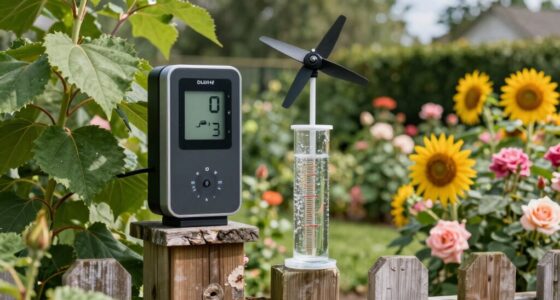
personal weather station with temperature monitor
As an affiliate, we earn on qualifying purchases.
As an affiliate, we earn on qualifying purchases.
Regional Climate Dynamics and Historical Warming Trends
Climate scientists have long documented that warming is not uniform across the globe. Historically, the Arctic has experienced the fastest temperature increases, but recent studies show that Europe is now catching up and surpassing other regions in the rate of warming. This shift is linked to regional atmospheric circulation patterns, such as the jet stream, and land use changes that influence local climate feedbacks.
Previous assessments by the Intergovernmental Panel on Climate Change (IPCC) highlighted Europe’s vulnerability due to dense urbanization, industrial activity, and reduced snow cover. The new study builds on this understanding, providing updated data that confirms the acceleration of warming in Europe over recent decades, especially since the 1980s.
It is important to note that while global efforts focus on reducing emissions broadly, regional factors can exacerbate or mitigate climate impacts locally, making targeted research and policy essential.
“Europe’s faster warming is driven by regional atmospheric patterns and land changes, which amplify global warming effects.”
— Dr. Maria Lopez, lead author of the study
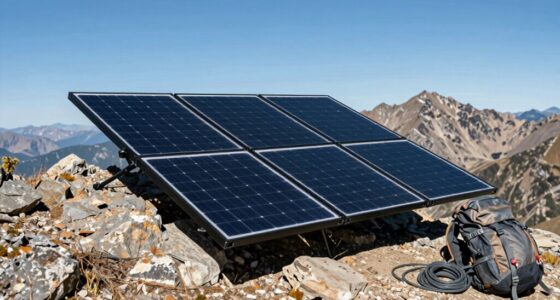
portable solar-powered fan for heatwaves
As an affiliate, we earn on qualifying purchases.
As an affiliate, we earn on qualifying purchases.
Uncertainties in Regional Climate Modeling and Future Projections
While the study confirms Europe’s faster warming, some uncertainties remain regarding the precise contribution of different regional factors, such as specific land-use changes and atmospheric circulation patterns. Climate models continue to evolve, and future projections may refine understanding of how regional warming rates will change in the coming decades. Additionally, the impact of potential mitigation measures on regional temperature trends remains to be fully assessed.
As an affiliate, we earn on qualifying purchases.
Next Steps for Climate Research and Policy Action in Europe
Researchers plan to conduct more localized studies to better understand regional feedback mechanisms and develop more accurate climate models. Policymakers are expected to incorporate these findings into national climate strategies, emphasizing adaptation measures and emission reductions tailored to Europe’s specific vulnerabilities. International climate negotiations may also see increased focus on regional disparities, with Europe advocating for more targeted support and funding.
home insulation kits for heat reduction
As an affiliate, we earn on qualifying purchases.
As an affiliate, we earn on qualifying purchases.
Key Questions
Why is Europe warming faster than other continents?
Europe’s faster warming is attributed to regional atmospheric patterns, land-use changes, and features like reduced snow cover, which amplify global warming effects.
What are the potential impacts of this rapid warming on Europe?
Potential impacts include increased heatwaves, droughts, ecological disruptions, and economic damages to agriculture and infrastructure.
How does this study affect climate policy in Europe?
The findings highlight the need for Europe to accelerate emission reductions and implement targeted adaptation strategies to address regional vulnerabilities.
Are there uncertainties or limitations in the study?
Yes, uncertainties remain regarding the precise regional contributions and future warming trajectories, as models continue to be refined.
What should be the focus of future climate research in Europe?
Future research will likely focus on localized climate feedbacks, improving model accuracy, and assessing the effectiveness of mitigation measures.
Source: google-trends
Fall Picks
fall essentials
As an affiliate, we earn on qualifying purchases.