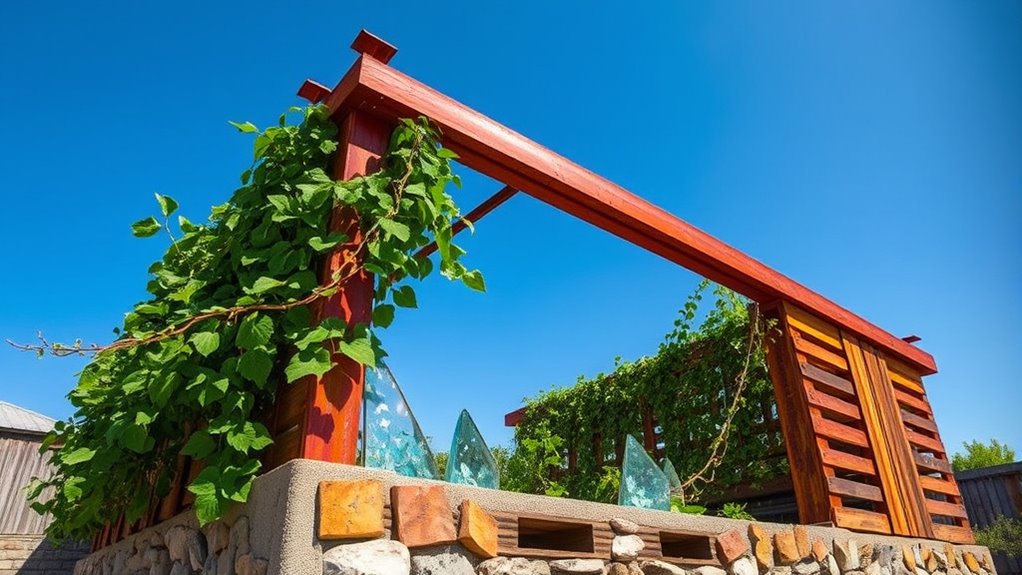

Upcycled construction materials allow you to transform waste into valuable building resources. By using reclaimed wood, recycled metal, or salvaged glass, you’re not just reducing landfill waste; you’re also creating unique, durable designs. These materials add character and lower costs in the long run, supporting a sustainable future. Embracing upcycled materials showcases your commitment to eco-friendly practices while enhancing your project’s appeal. Discover the innovative possibilities that await with upcycling in construction.
Key Takeaways
- Upcycled construction materials, like reclaimed wood and recycled metal, reduce waste and promote resource conservation in building projects.
- Utilizing old bricks and salvaged windows creates unique design features while minimizing environmental impact.
- Upcycling enhances durability, as materials have proven resilience, leading to lower maintenance and replacement costs.
- Incorporating these materials exemplifies eco-friendly practices and supports the circular economy in sustainable building.
- Creative reuse of waste fosters innovation and aligns with values of sustainability in architectural design.
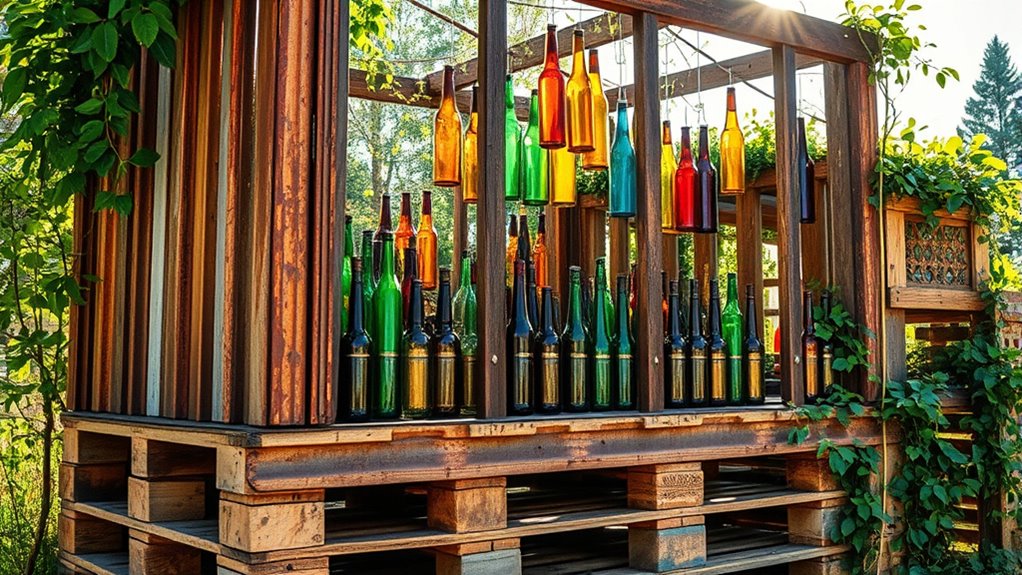
As sustainability becomes more important in the construction industry, you might find yourself considering upcycled materials for your next project. Upcycling isn’t just a trendy buzzword; it’s a practical way to incorporate recycled materials into your builds while reducing waste. By choosing upcycled materials, you can contribute to environmental conservation and promote a circular economy. Every time you opt for these materials, you’re helping divert waste from landfills and minimizing resource extraction, which can have a significant impact on our planet.
Consider upcycled materials for your construction projects to reduce waste and promote environmental conservation.
One of the primary recycling benefits you’ll experience with upcycled materials is the reduction of your project’s carbon footprint. Traditional construction often leads to a massive amount of waste, but by utilizing items that would otherwise be discarded, you’re directly addressing this issue. Think about it: using reclaimed wood, repurposed metal, or recycled glass not only gives your project a unique aesthetic but also lessens the demand for new resources. You can create a stunning, one-of-a-kind space while exemplifying your commitment to sustainability.
Another essential aspect is the material durability that comes with many upcycled options. Often, these materials have already withstood the test of time, which means they’re likely to be more resilient than some new alternatives. For instance, reclaimed wood from old barns or factories can possess a character and strength that newer materials may lack. This durability can translate into lower maintenance costs and longer lifespans for your structures, allowing you to save money in the long run.
As you dive deeper into the benefits of upcycling, you’ll also discover that it encourages creativity and innovation. Transforming old materials into something functional and beautiful can push you to think outside the box. You might find yourself repurposing old bricks into a stylish feature wall or using salvaged windows to create a unique greenhouse. This creativity not only enhances the aesthetic appeal of your project but also sets it apart from conventional builds. Additionally, understanding your core personality traits can aid in aligning your project choices with your values, further enhancing your commitment to sustainability.
Incorporating upcycled materials into your construction endeavors isn’t just about being eco-friendly; it’s a smart and resourceful choice. By harnessing the recycling benefits and embracing the durability of these materials, you’re paving the way for a more sustainable future. So, go ahead and explore the vast potential of upcycled materials. You’ll not only create something remarkable but also play a crucial role in protecting our environment.

Reclaimed Wood: A Field Guide
As an affiliate, we earn on qualifying purchases.
As an affiliate, we earn on qualifying purchases.
Frequently Asked Questions
What Types of Waste Materials Can Be Upcycled for Construction?
You can upcycle various waste materials for construction, including reclaimed wood, metal scraps, and concrete remnants. These materials often face recycling challenges due to durability concerns, but they can be transformed into sturdy building components. For instance, using old pallets can create strong furniture or structural elements. By selecting the right materials and ensuring their durability, you’ll contribute to sustainable building practices while minimizing waste in landfills.
Are Upcycled Materials More Expensive Than Traditional Construction Materials?
Upcycled materials can sometimes be more expensive than traditional construction materials, depending on availability and processing costs. However, when you consider the cost comparison regarding sustainability and environmental benefits, they often prove to be economically feasible in the long run. You’ll find that investing in upcycled options can reduce waste disposal costs and potentially lower overall project expenses, making them an attractive choice for your construction needs.
How Do Upcycled Materials Impact Building Codes and Regulations?
Using upcycled materials can feel like steering a maze; building code compliance often presents regulatory challenges. You’ll need to make certain that these materials meet local codes, which can vary widely. Sometimes, the innovative nature of upcycling means you might face extra scrutiny from inspectors. However, with proper documentation and creative solutions, you can successfully integrate these materials while adhering to regulations. It’s all about being proactive and informed during your building process.
Can Upcycled Construction Materials Be Used in Residential Buildings?
Yes, you can use upcycled construction materials in residential buildings, but be aware of recycling challenges. These materials often require thorough evaluation to guarantee they meet safety standards and building codes. You’ll also need to assess material durability to guarantee they can withstand everyday wear and tear. By choosing high-quality upcycled options, you can create a sustainable home while overcoming these hurdles and contributing to a greener future.
What Are the Environmental Benefits of Using Upcycled Materials in Construction?
Using upcycled materials in construction offers significant environmental benefits. You reduce waste by diverting materials from landfills, and you support the recycling process, which conserves resources and energy. Additionally, these materials often have exceptional durability, meaning they can withstand the test of time while minimizing future resource extraction. By choosing upcycled options, you’re not only building sustainably but also contributing to a healthier planet for future generations. It’s a win-win!

SEHOI 3 PCS 1 x 2 Inch Aluminum Bar, 8 Inch Long + 0/-. 05 6061 General Purpose Metal Plates, 6061 Flat Bar Block for Building Projects, Silver
HIGH-QUALITY MATERIAL – 6061 aluminum is a light metal material with excellent rust resistance and corrosion resistance. The…
As an affiliate, we earn on qualifying purchases.
As an affiliate, we earn on qualifying purchases.
Conclusion
In a world where every discarded item can be a building block, you’re not just constructing a structure; you’re shaping a legacy, much like the Romans who transformed their ruins into breathtaking wonders. By embracing upcycled materials, you’re joining a movement that values creativity over wastefulness, proving that beauty can emerge from the ashes of our consumerism. So, as you build, remember: each choice you make can pave the way for a more sustainable future, one brick at a time.

QYGL Crushed Glass for Resin Art, DIY Crafts, and Home Decor – 0.9LB Colorful Broken Glass Pieces 3-6mm, for Vase Fillers, Tabletop Fire Pit, and Aquarium Rocks
Premium Quality & Versatile: Made from high-quality, heat-resistant crushed glass, our glass pieces (3-6mm in size) are ideal…
As an affiliate, we earn on qualifying purchases.
As an affiliate, we earn on qualifying purchases.

Jusmioke 20 Pcs Red Thin Wall Brick Veneers, 2.4" x 7.9" for Kitchen Backsplash, Fireplace, Living Room, Interior and Exterior Wall Decoration (3.5 sq.ft)
Size and Weight: Size of each brick is 2.4" x 7.9",and weight is about 0.5 lb. 20 piece…
As an affiliate, we earn on qualifying purchases.
As an affiliate, we earn on qualifying purchases.