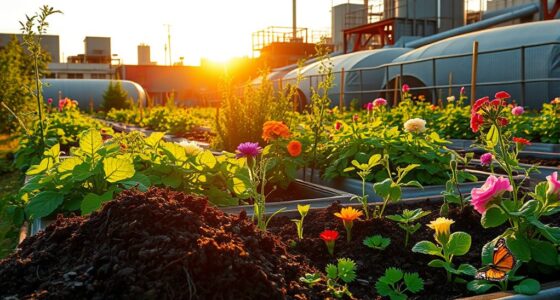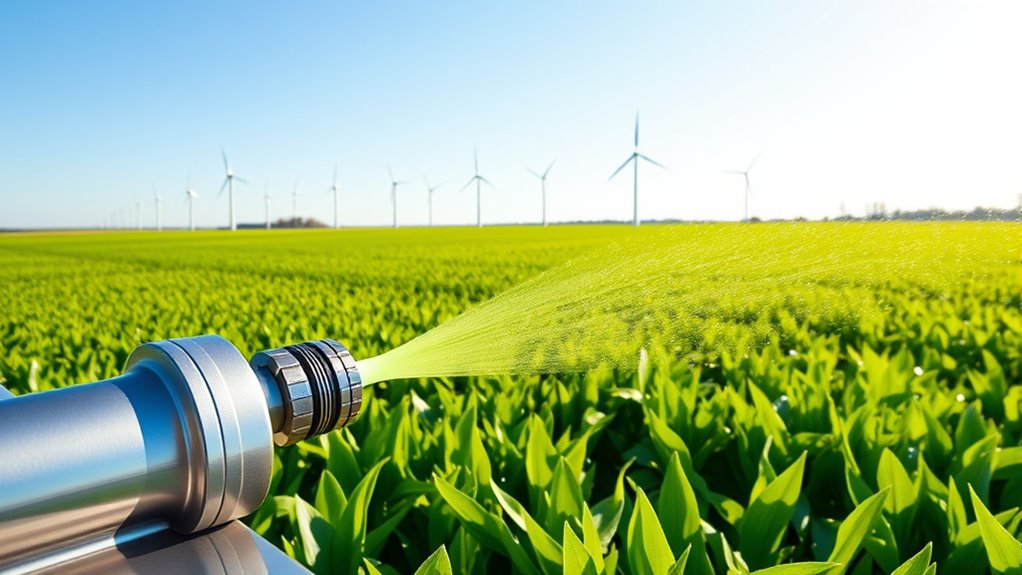

Green ammonia is changing the game for industry and agriculture by offering a clean fuel that cuts down on pollution. It’s created using renewable energy and serves as a sustainable alternative to traditional fossil fuels. This means fewer greenhouse gas emissions and healthier ecosystems. Plus, it helps you meet environmental goals without sacrificing efficiency. If you’re curious about how green ammonia can further impact these sectors, you’ll discover even more exciting possibilities.

Get school and study supplies delivered free — and shop member deals
- Fast, free delivery on millions of items
- Access to Prime Big Deal Days deals on October 6–7
- Prime Video, Amazon Music and more included
Key Takeaways
- Green ammonia serves as a renewable fuel source, enabling cleaner energy generation for both industrial and agricultural sectors.
- It reduces greenhouse gas emissions, promoting sustainable practices in agriculture and minimizing environmental pollution.
- As a fertilizer, green ammonia enhances soil health while offering a more eco-friendly alternative to conventional fertilizers.
- Its production process uses renewable energy sources, contributing to a significant reduction in carbon footprints across industries.
- Investing in green ammonia technologies fosters innovation, creating jobs and supporting the transition to a sustainable economy.
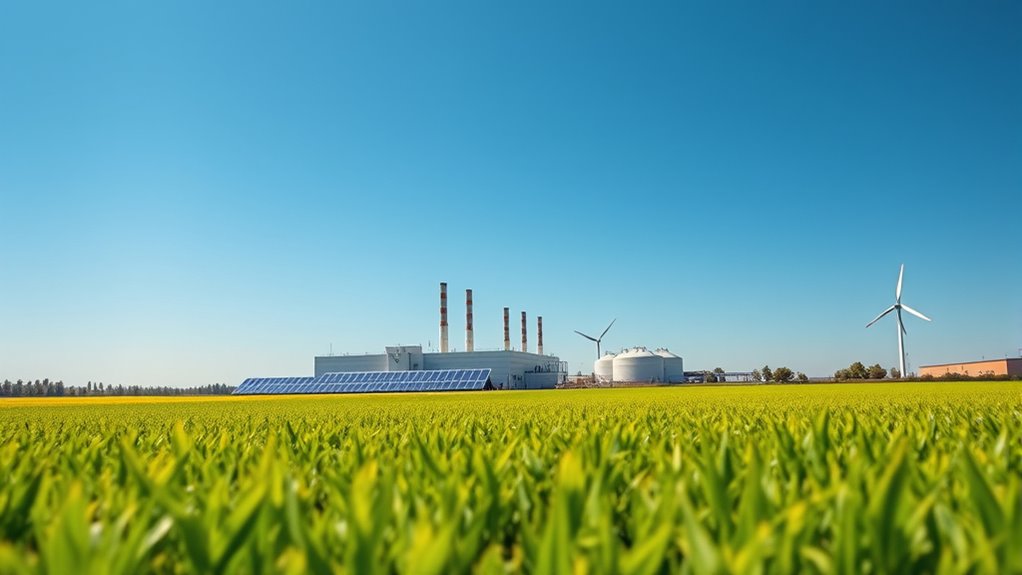
Have you ever considered how green ammonia could revolutionize our approach to sustainable energy? This innovative compound offers a promising solution to some of the most pressing challenges we face in the quest for cleaner energy. By harnessing renewable synthesis methods, green ammonia provides a way to produce ammonia without the harmful emissions associated with traditional processes. This could lead to significant emission reduction, making it an essential player in our shift towards a more sustainable future.
Green ammonia holds the potential to transform sustainable energy by reducing emissions and paving the way for a cleaner future.
When you think about ammonia, it’s often linked to fertilizers or industrial applications. However, the potential for green ammonia goes far beyond that. It can serve as a renewable fuel source, capable of powering vehicles and generating electricity. Imagine using a fuel that doesn’t contribute to greenhouse gas emissions—this is what green ammonia promises. Produced through electrolysis powered by renewable energy sources like wind or solar, it’s a clean alternative that doesn’t compromise our environmental goals.
Incorporating green ammonia into various industries could drastically reduce their carbon footprints. For instance, in agriculture, switching to green ammonia fertilizers can minimize pollution associated with conventional fertilizers. This direct benefit sets the stage for healthier soil and ecosystems. You’ll find that the emission reduction potential isn’t just theoretical; it’s already being tested in various regions worldwide.
Moreover, as the global demand for energy continues to rise, finding sustainable solutions is vital. Green ammonia can act as a hydrogen carrier, effectively storing and transporting hydrogen—a key component in the push for clean energy. By converting renewable energy into green ammonia, you’re not just storing energy; you’re creating a viable alternative that can be utilized across different sectors. High refresh rates enhance the performance of green ammonia as a fuel source, ensuring efficient energy usage and better overall output.
The shift towards green ammonia isn’t just about reducing emissions; it’s also about innovation and economic growth. By investing in renewable synthesis technologies, you’re potentially opening new markets and job opportunities in the clean energy sector. This could create a ripple effect, encouraging more businesses to adopt sustainable practices, further enhancing emission reduction efforts.
Top picks for "green ammonia cleaner"
As an affiliate, we earn on qualifying purchases.
Frequently Asked Questions
What Is the Chemical Formula of Green Ammonia?
The chemical formula of green ammonia is NH₃. It’s produced using renewable energy sources, which considerably helps in carbon reduction. By harnessing energy from wind, solar, or hydro, you can create hydrogen through electrolysis and combine it with nitrogen from the air to form ammonia. This process not only provides a sustainable fuel alternative but also supports your efforts in combating climate change and reducing overall carbon emissions in various industries.
How Is Green Ammonia Produced Sustainably?
You’ve got to love the irony of producing green ammonia sustainably, right? It’s not magic; it’s renewable energy! Using wind or solar power, you’re splitting water into hydrogen and oxygen. Then, you combine that hydrogen with nitrogen from the air, creating ammonia while happily reducing carbon emissions. So, while some are stuck in the fossil-fuel past, you’re embracing a cleaner, greener future—one batch of ammonia at a time! Isn’t that a delightful twist?
What Are the Safety Concerns With Green Ammonia?
When dealing with green ammonia, you need to be aware of safety concerns like storage risks and proper handling protocols. Ammonia can be hazardous if inhaled or if it comes into contact with skin, so you should always wear protective gear. Make sure to store it in well-ventilated areas to minimize risks. Following established handling protocols guarantees safety during transport and usage, reducing the likelihood of accidents and exposure to harmful effects.
Can Green Ammonia Be Stored Long-Term?
Yes, green ammonia can be stored long-term. Think of it like a fine wine; with the right conditions, it maintains its quality over time. Its storage stability is impressive, allowing it to withstand various environments without significant degradation. This long-term durability makes it a viable option for energy storage. Just like a well-preserved vintage, using green ammonia guarantees you’ve got a reliable resource whenever you need it.
What Industries Are Currently Using Green Ammonia?
You’ll find green ammonia making waves in several industries today. It’s used in agriculture for fertilizers, enhancing crop yields while reducing environmental impacts. Additionally, energy sectors are exploring its potential as a clean fuel for power generation and transportation. These industrial applications not only help in mitigating carbon emissions but also promote sustainability. By embracing green ammonia, these industries are reaping significant environmental benefits while paving the way for a cleaner future.
Conclusion
In a world where climate change looms large, green ammonia emerges as a surprising hero. Just as you might stumble upon an old friend in an unexpected place, this cleaner fuel offers a chance to transform both industry and agriculture. By harnessing renewable energy, you’re not just reducing emissions; you’re also fostering sustainable practices that benefit the planet. So, as we embrace this innovative solution, remember—sometimes, the answers we seek are right under our noses, waiting to be discovered.
Halloween Picks
halloween
As an affiliate, we earn on qualifying purchases.