
TL;DR

Prime made for students and young adults
- Fast, free delivery for dorm and study essentials
- Prime Video and Amazon Music included
- Member-only deals
The FAO has announced that El Niño is imminent and has identified regions likely to experience severe drought. This development could significantly affect global food security, especially in vulnerable areas.
The Food and Agriculture Organization (FAO) has confirmed that the El Niño weather pattern is imminent and has identified specific regions likely to face severe drought conditions, which could threaten local agriculture and food security.
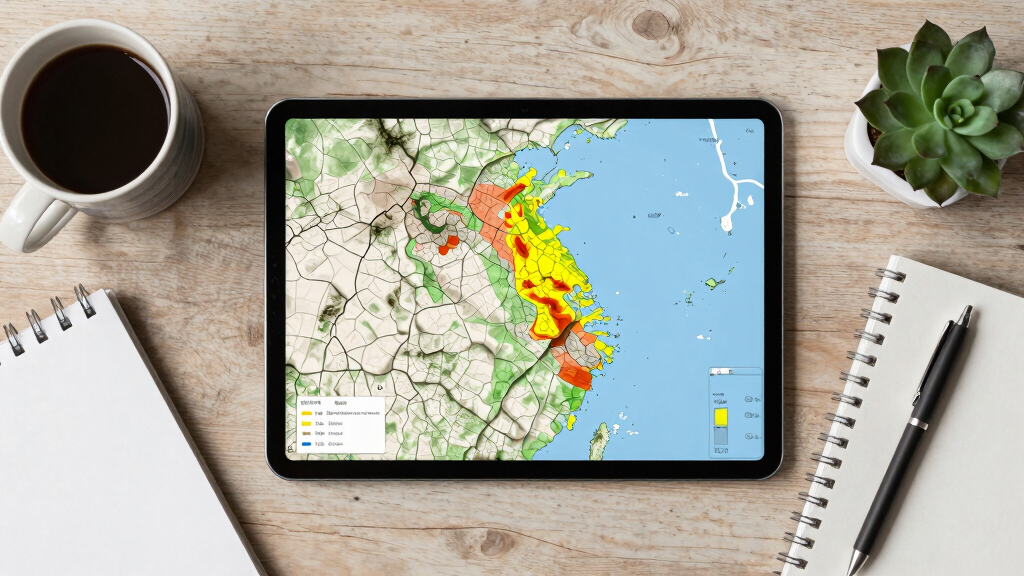
The FAO’s climate and food security experts have analyzed meteorological data and regional climate models to determine that parts of East Africa, southern South America, and Southeast Asia are most at risk of experiencing significant drought during the upcoming El Niño cycle. The organization emphasizes that these areas already face vulnerabilities due to ongoing climate variability and existing water stress.
According to the FAO, the regions forecasted to be most affected include Ethiopia, parts of Brazil, and Indonesia. The agency warns that drought conditions could impair crop yields, reduce water availability, and exacerbate food insecurity for millions of people in these areas. The forecast is based on current climate models predicting a strong El Niño event, which typically leads to altered rainfall patterns globally.
FAO officials have stressed that early warning is crucial for mitigation efforts, and they are working with national governments and international partners to prepare targeted responses, including water management strategies and food aid planning. The FAO’s forecast is part of its ongoing climate risk assessment, which aims to provide timely guidance to prevent worst-case scenarios.
Why El Niño-Driven Drought Matters Globally
The forecast of drought-hit regions by the FAO highlights the potential for widespread food insecurity, economic disruption, and increased humanitarian needs. Since the affected areas include some of the world’s most vulnerable populations, the drought could lead to crop failures, livestock losses, and rising food prices, impacting global markets. The early identification of at-risk regions allows governments and aid organizations to mobilize resources proactively, potentially mitigating the worst effects of the drought.
Moreover, this forecast underscores the broader implications of climate variability and the importance of adaptive strategies in agriculture, water management, and disaster preparedness. The FAO’s warning serves as a reminder of the interconnectedness of climate patterns and food security, emphasizing the need for coordinated international response efforts.
water storage containers for drought preparedness
As an affiliate, we earn on qualifying purchases.
As an affiliate, we earn on qualifying purchases.
El Niño’s Historical Impact on Global Drought and Food Security
El Niño is a climate phenomenon characterized by the warming of sea surface temperatures in the central and eastern tropical Pacific Ocean, occurring irregularly every two to seven years. Historically, El Niño has been associated with altered weather patterns worldwide, often resulting in droughts in some regions and floods in others.
Previous El Niño events, such as those in 2015-2016, caused severe droughts in parts of Africa, South America, and Southeast Asia, leading to crop failures, water shortages, and humanitarian crises. The FAO’s current forecast builds on this historical pattern, leveraging advanced climate models to predict specific regional impacts for the upcoming cycle.
While the exact intensity and geographic distribution of the current El Niño are still being refined, early signs indicate a significant event that could replicate or even exceed the severity of past episodes, prompting warnings from climate and food security agencies worldwide.
“Early warning systems are vital for preparing vulnerable communities for the impacts of El Niño. Our forecasts help guide targeted interventions to reduce risks.”
— José Graziano da Silva, FAO Director-General
As an affiliate, we earn on qualifying purchases.
Forecast Confidence and Regional Variability
While the FAO’s forecast is based on current climate models and historical data, the exact severity and geographic spread of the drought remain subject to change as new meteorological data emerges. Variability in local climate responses and the potential for unexpected weather patterns introduce some uncertainty into the predictions.
Additionally, the impact of mitigation measures and adaptive responses by local governments could alter the severity of drought conditions. The FAO continues to monitor developments closely and will update its forecasts as more information becomes available.
As an affiliate, we earn on qualifying purchases.
Monitoring, Preparedness, and International Coordination
In the coming weeks, the FAO plans to refine its regional drought forecasts and intensify collaboration with national agencies to develop contingency plans. International organizations and governments are expected to prioritize water management, crop diversification, and emergency food aid preparations. The FAO will also issue regular updates to inform stakeholders of evolving risks and recommended actions.
Further climate modeling and satellite monitoring will help assess the accuracy of initial forecasts and guide ongoing response efforts. The focus remains on minimizing the humanitarian and economic impacts of the predicted droughts.
As an affiliate, we earn on qualifying purchases.
Key Questions
When is the El Niño expected to peak?
Current forecasts suggest that El Niño could peak in the late summer or early fall of 2024, but exact timing remains uncertain and subject to change based on ongoing climate monitoring.
Which regions are most at risk of drought?
According to the FAO, East Africa (including Ethiopia), parts of South America (notably Brazil), and Southeast Asia (including Indonesia) are most likely to experience severe drought conditions during this El Niño cycle.
How can affected regions prepare for drought?
Preparation strategies include water conservation, crop diversification, early planting, and strengthening food aid programs. Governments are advised to develop contingency plans based on FAO forecasts.
What are the global implications of this drought forecast?
Severe drought in key agricultural regions could lead to higher food prices, supply chain disruptions, and increased humanitarian needs worldwide, especially in vulnerable populations.
Source: google-trends
Fall Picks
fall essentials
As an affiliate, we earn on qualifying purchases.