

To make climate innovation practical at scale, you need a mix of supportive policies, market forces, and collaboration across sectors. Governments can offer incentives like tax credits and streamlined permits, reducing risks for investors. Public awareness and community involvement accelerate adoption, while technological advancements improve efficiency and resilience. When these elements work together, pilot projects become part of national infrastructure, creating a cycle of growth. Keep exploring how all these pieces fit to unleash broader impact.
Key Takeaways
- Scaling pilot projects into national infrastructure requires systemic support and integration into existing markets.
- Policy incentives like tax credits and subsidies reduce financial risks and encourage large-scale renewable adoption.
- Public awareness and community engagement accelerate acceptance and drive market demand for climate solutions.
- Technological advancements and innovation improve efficiency, reliability, and accessibility of renewable energy systems.
- Cross-sector collaboration and public-private partnerships enable coordinated efforts for a resilient low-carbon economy.

As the climate crisis accelerates, scaling innovative solutions becomes essential for meaningful impact. You need to understand that turning groundbreaking ideas into widespread change isn’t just about technological breakthroughs; it’s about creating systems that support large-scale adoption. Renewable adoption plays a key role here. When renewable energy sources like solar and wind become more accessible and affordable, they transform from niche options into mainstream choices. Achieving this shift requires more than just technological innovation—it demands a concerted effort to integrate renewables into existing infrastructure and markets. That’s where policy incentives come into play. Governments and policymakers can accelerate renewable adoption by offering incentives such as tax credits, subsidies, and streamlined permitting processes. These measures reduce the financial risk for investors and make renewable options more attractive compared to fossil fuels.
You’ll find that policy incentives aren’t just about reducing costs; they also send clear signals to the market about the importance of clean energy. When policies favor renewables, businesses are more likely to invest in cleaner technologies, knowing they’ll receive support and stability. This creates a ripple effect—more investments lead to increased production, which, in turn, lowers costs and improves technology. It’s a virtuous cycle that helps scale climate innovations from pilot projects to national infrastructure. Additionally, policy incentives can help address barriers like grid integration and storage, making renewable energy more reliable and resilient. Without these policies, scaling solutions remains a challenge, as market forces alone may not sufficiently prioritize sustainability over short-term profits. Moreover, fostering public awareness and understanding of renewable benefits can significantly accelerate acceptance and adoption across communities. Increased awareness can also lead to stronger policy support, which is crucial for overcoming structural barriers and fostering innovation. Recognizing that market dynamics play a crucial role, strategic interventions can help smooth the transition toward sustainable energy systems. For instance, promoting distributed energy resources can empower local communities and diversify energy sources.
Furthermore, advancements in projector technology demonstrate how innovation can enhance user experience and accessibility, which is vital for broader adoption. You also need to recognize that successful scaling depends on collaboration across sectors. Governments, private companies, and local communities must work together to develop policies that support renewable adoption on a broad scale. This could involve investing in research and development, creating favorable regulations, or establishing public-private partnerships. When these elements align, innovation becomes more than just a concept; it becomes a practical, widespread reality. By implementing effective policy incentives and fostering a conducive environment for renewable adoption, you enable the shift from isolated projects to a resilient, low-carbon economy. This isn’t just about fighting climate change—it’s about building a sustainable future where innovation is accessible, practical, and impactful at scale.
![EPOCH 800W Bifacial Solar Panels,N-Type Class A 12/24 Volt Monocrystalline Solar Panel, High-Efficiency Waterproof Solar Module for RV Camping, Boat, Marine,Off-Grid[400w×2pcs]](https://m.media-amazon.com/images/I/41PNfSmgR5L._SL500_.jpg)
EPOCH 800W Bifacial Solar Panels,N-Type Class A 12/24 Volt Monocrystalline Solar Panel, High-Efficiency Waterproof Solar Module for RV Camping, Boat, Marine,Off-Grid[400w×2pcs]
☀【Class A Solar Cell】The EPOCH solar panel features high-quality grade A+ solar cells and incorporates PERC,half-cut cell and…
As an affiliate, we earn on qualifying purchases.
As an affiliate, we earn on qualifying purchases.
Frequently Asked Questions
How Do Funding Mechanisms Influence Climate Innovation Scalability?
Funding mechanisms directly influence climate innovation scalability by overcoming funding barriers and providing investment incentives. When you access diverse funding sources, you reduce financial risks and attract more support for scaling innovations. Clear investment incentives motivate stakeholders to prioritize sustainable solutions. If you address funding barriers effectively, you create an environment where climate innovations can grow from small pilots to widespread solutions, accelerating their impact and ensuring broader adoption.
What Role Do Policy Frameworks Play in Accelerating Climate Tech Adoption?
Policy frameworks play a vital role in accelerating climate tech adoption by providing incentives that encourage innovation. For example, countries with strong policy incentives see up to 50% faster deployment of clean technologies. They help overcome regulatory barriers, making it easier for startups and established companies to scale solutions. By setting clear standards and offering subsidies, these frameworks create a supportive environment that fuels growth and drives widespread climate action.
How Can Public-Private Partnerships Enhance Climate Solution Deployment?
Public-private partnerships boost climate solution deployment by fostering community engagement and technological integration. You can collaborate with governments and businesses to develop tailored initiatives that resonate with local needs, ensuring broader adoption. By combining resources and expertise, these partnerships accelerate innovation, improve infrastructure, and create sustainable solutions. Your active involvement in community outreach and technology sharing helps scale climate innovations efficiently, making a tangible impact on environmental resilience and climate goals.
What Are the Biggest Barriers to Scaling Climate Innovations Globally?
You might find that the biggest barriers to scaling climate innovations globally include technological leapfrogging and cultural acceptance. When new tech outpaces local infrastructure, it’s tough to implement solutions widely. Additionally, if communities don’t embrace changes due to cultural norms or skepticism, scaling stalls. Overcoming these hurdles requires tailored strategies that respect local contexts while promoting technological advancements, enabling climate solutions to reach broader populations effectively.
How Is Consumer Behavior Impacted by Large-Scale Climate Innovations?
Your consumer mindset shifts when large-scale climate innovations become more accessible and affordable. As adoption challenges decrease, you’re more likely to embrace sustainable products and practices. When innovations are normalized, you feel motivated to make eco-friendly choices and influence others. This collective behavior accelerates climate action, creating a positive feedback loop. Ultimately, widespread adoption of climate innovations reshapes consumer habits, making sustainability an integral part of everyday life.

VEVOR 500W Wind Turbine Generator, 12V Wind Turbine Kit, 5-Blade Wind Power Generator with MPPT Controller, Adjustable Windward Direction & 2.5m/s Start Wind Speed, Suitable for Home, Farm, RVs, Boats
500W High-Efficiency Output: VEVOR 500W high-power wind turbine generator delivers exceptional wind energy utilization and efficiency, making it…
As an affiliate, we earn on qualifying purchases.
As an affiliate, we earn on qualifying purchases.
Conclusion
You might believe that turning climate innovations into large-scale solutions is impossible, but history shows otherwise. When you embrace collaboration, experimentation, and resilience, innovative ideas can grow beyond small pilots into transformative tools. The key isn’t just technology—it’s your willingness to challenge assumptions and adapt. If you stay committed and open-minded, you’ll find that practical climate solutions aren’t just a dream—they’re within your reach, waiting to make a real impact at scale.

Battery Organizer Storage Box with Tester, Battery Vault Case Fireproof Waterproof Explosionproof Holder Box with Tester BT-168 Checker Carrying Case Container Bag Fit for 200+ Batteries AA AAA C D 9V
Fireproof Explosion Proof Waterproof: Fireproof Battery Organizer Case is made of upgraded non-itchy silicone coated fiberglass that can…
As an affiliate, we earn on qualifying purchases.
As an affiliate, we earn on qualifying purchases.
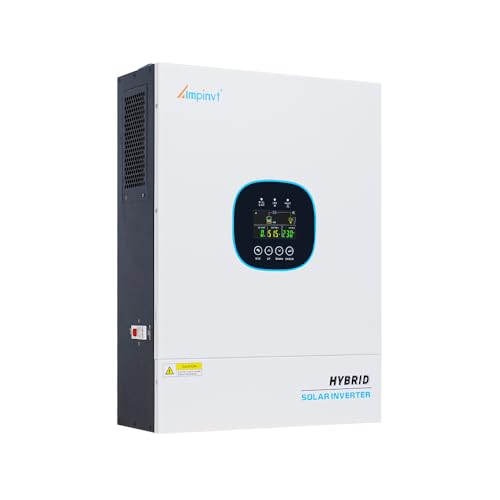
Ampinvt Solar Inverter 5000 Watt 48V to 120V, inbuilt 100A MPPT Solar Charger, Max PV Input 5500W 500Vdc,Off Grid Pure Sine Wave Inverter Support up to 6 in Parallel for Lead Acid Lithium Battery
This Pure Sine Wave Solar Inverter is a combination of an inverter, ac battery charger , MPPT solar…
As an affiliate, we earn on qualifying purchases.
As an affiliate, we earn on qualifying purchases.