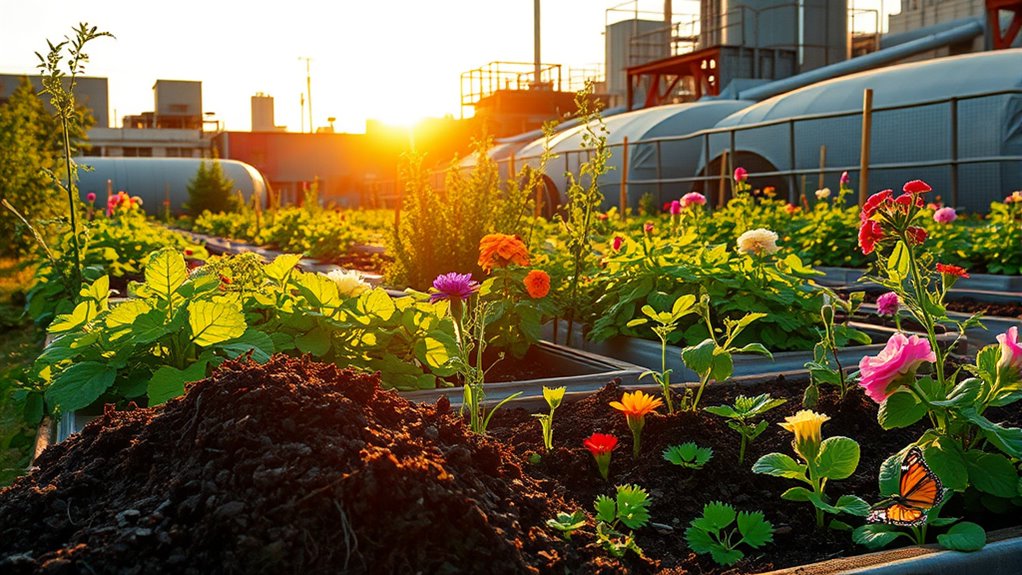

The circular bioeconomy transforms waste into valuable resources, promoting a sustainable economy. By recycling materials and turning organic waste into products like biofuels and biodegradable packaging, you can actively participate in reducing pollution and supporting local economies. Your choices in biodegradable packaging can make a significant impact, turning waste into a resource. If you’re curious about how communities implement these practices and their benefits, there’s more to discover about this innovative approach.
Key Takeaways
- The circular bioeconomy aims to minimize waste by recycling materials back into production cycles, transforming waste into valuable resources.
- Biodegradable packaging reduces plastic pollution, empowering consumers to make eco-friendly choices that support sustainable practices.
- Microbial fermentation converts organic waste into biofuels and bioplastics, offering a natural solution to waste management.
- Community initiatives can collect food waste and process it into bioproducts, fostering local economies and reducing overall waste.
- Consumer participation in sustainable practices enhances resource efficiency and contributes to a healthier, more resilient planet.

What if we could create a sustainable economy that not only minimizes waste but also regenerates natural resources? This idea is at the heart of the circular bioeconomy, where you can transform waste into valuable resources. It’s all about making the most of what you have, ensuring that materials cycle back into the economy instead of ending up in landfills. By focusing on biodegradable packaging and innovative processes like microbial fermentation, you can play a part in this revolutionary approach.
Imagine walking into a store filled with products wrapped in biodegradable packaging. These materials break down naturally, leaving no harmful residues behind. You’re not just purchasing an item; you’re supporting an eco-friendly choice that helps reduce the plastic crisis we face today. By choosing biodegradable options, you’re contributing to a system that values sustainability and endeavors to lessen its environmental impact. This simple decision can lead to meaningful change, encouraging manufacturers to adopt similar practices.
Support eco-friendly choices by opting for biodegradable packaging and help reduce the plastic crisis we face today.
Microbial fermentation is another game-changer in the circular bioeconomy. This natural process harnesses the power of microorganisms to convert organic waste into useful products. For instance, food scraps that would typically go to waste can be transformed into biofuels, proteins, or even bioplastics through fermentation. When you think about it, it’s a brilliant way to repurpose waste that would otherwise contribute to pollution. By integrating microbial fermentation into your daily life, you can help close the loop on waste, making it a resource instead of a burden.
You might wonder how these innovations come together in real life. Picture a community that collects food waste from local restaurants. Instead of tossing it in the trash, they send it to a facility where microbial fermentation takes place. The resulting bioproducts are then used to create biodegradable packaging, which is sold back to those same restaurants. This not only reduces waste but also fosters local economies and encourages sustainable practices. By participating in such initiatives, you’re not just a consumer; you’re part of a movement that values circularity and resilience.
As you contemplate your role in the circular bioeconomy, remember that every choice matters. Opting for biodegradable packaging and supporting microbial fermentation initiatives can contribute to a healthier planet. Additionally, understanding food safety is crucial to prevent any potential issues with the products derived from these processes. Together, you can help build a system that turns waste into resources, paving the way for a sustainable future.
Frequently Asked Questions
How Does Circular Bioeconomy Impact Climate Change Mitigation Efforts?
The circular bioeconomy considerably boosts climate change mitigation efforts by enhancing carbon sequestration and preserving biodiversity. When you utilize waste as a resource, you reduce greenhouse gas emissions and promote sustainable practices. This approach allows ecosystems to thrive, supporting diverse species and reducing the overall carbon footprint. By participating in this system, you contribute to a healthier planet, ensuring that both natural resources and biodiversity are protected for future generations.
What Are the Economic Benefits of Transitioning to a Circular Bioeconomy?
Moving to a circular bioeconomy boosts economic growth and job creation considerably. You’ll see industries flourish as they adopt sustainable practices, leading to innovative solutions and new markets. This shift reduces waste and encourages resource efficiency, which can lower costs and increase profitability. As businesses thrive, more jobs emerge in recycling, renewable energy, and sustainable agriculture, giving you opportunities for a stable and rewarding career while contributing to a healthier planet.
Can Individuals Participate in Circular Bioeconomy Initiatives?
Absolutely, you can participate in circular bioeconomy initiatives! Did you know that communities that engage in recycling programs can reduce waste by up to 30%? By getting personally involved, you can join local community initiatives like composting or upcycling workshops. These efforts not only help the environment but also foster connections with like-minded individuals. Your active participation can inspire others, creating a ripple effect toward sustainability in your neighborhood.
What Technologies Are Driving Advancements in Circular Bioeconomy?
Biotechnological innovations and biorefinery processes are driving advancements in circular bioeconomy. You’ll find that these technologies enhance resource efficiency by converting organic waste into valuable products like biofuels, bioplastics, and chemicals. By utilizing microorganisms and enzymes, you can break down waste materials into simpler compounds, making it easier to extract useful resources. As these technologies evolve, they’ll play a vital role in reducing environmental impact and promoting sustainability in various industries.
How Does Circular Bioeconomy Affect Traditional Waste Management Practices?
Imagine a farmer transforming leftover corn stalks into biofuel instead of burning them. By adopting circular bioeconomy principles, you’re shifting traditional waste management practices toward resource efficiency. Instead of simply discarding agricultural waste, you’re finding innovative ways to recycle and repurpose it. This not only reduces landfill use but also creates new economic opportunities. Embracing these sustainable methods can lead to a cleaner environment and a more efficient use of resources.
Conclusion
In embracing a circular bioeconomy, you’re not just recycling waste; you’re transforming it into valuable resources, much like a skilled chef turning leftovers into a gourmet meal. This approach not only reduces environmental impact but also fosters innovation and sustainability in our communities. By participating in this movement, you’re helping to create a future where waste is minimized and resources are maximized, proving that every discarded item can have a second chance at life.