Bio-based plastics are made from renewable plant materials like corn and sugarcane, providing eco-friendly alternatives to traditional plastics. These compostable options break down more quickly, reducing landfill waste and plastic pollution. You can enjoy the benefits of sustainable packaging while supporting a greener future. Manufacturing processes convert plant sugars into durable polymers, so you can trust these materials for various applications. Keep exploring to discover how these innovations are shaping a more sustainable world.

Prime made for students and young adults
- Fast, free delivery for dorm and study essentials
- Prime Video and Amazon Music included
- Member-only deals
Key Takeaways
- Bio-based plastics are made from renewable plant materials like corn and sugarcane, providing a sustainable alternative to fossil fuel-derived plastics.
- These plastics are biodegradable and compostable, breaking down efficiently and returning nutrients to the soil when disposed of properly.
- The production process involves extracting and fermenting sugars from plants to create polymers with properties similar to traditional plastics.
- Growing demand for eco-friendly solutions has led to increased investment in bio-based plastics, promoting innovation and accessibility in the market.
- Choosing compostable packaging supports sustainability and encourages responsible consumption, fostering a culture of environmental stewardship.
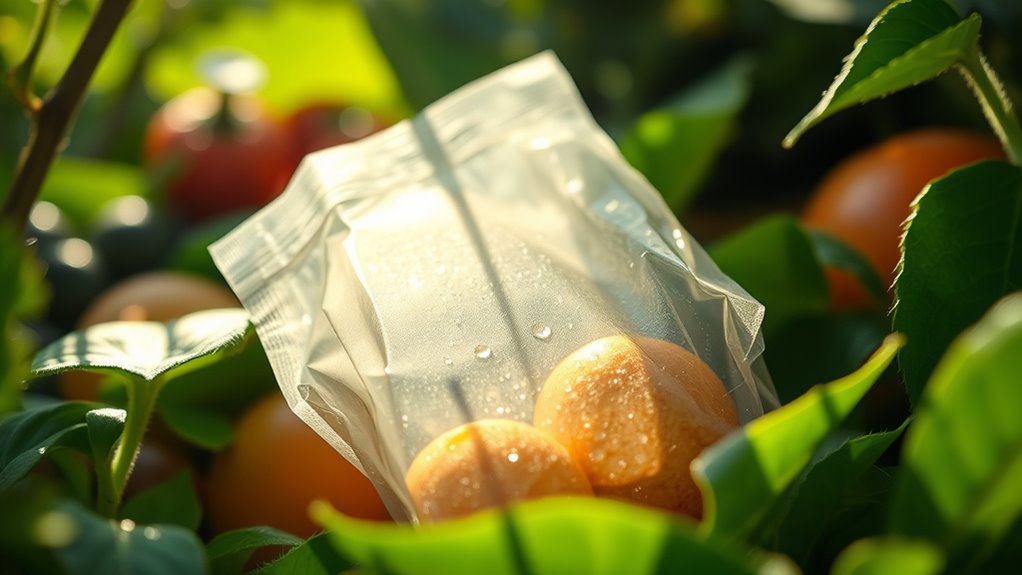
Have you ever wondered how plastic can be made from renewable resources? It’s a fascinating process that taps into the power of nature to create materials that are not only functional but also environmentally friendly. Plant-based plastics, often referred to as bio-based plastics, are derived from renewable biological resources like corn, sugarcane, and even potato starch. This innovative approach to plastic production helps reduce our reliance on fossil fuels and contributes to a more sustainable future.
Discover how plant-based plastics harness nature’s power for sustainable, eco-friendly alternatives to traditional materials.
One of the standout features of bio-based plastics is their biodegradability benefits. Unlike traditional plastics that can linger in landfills for hundreds of years, plant-based alternatives can break down more quickly in the right conditions. This means that when you use products made from these materials, you’re actively participating in reducing plastic waste. Imagine tossing a compostable packaging item into your compost bin, knowing it will decompose and return nutrients to the soil, instead of contributing to a growing mountain of plastic pollution.
The process of plant-based polymer production involves extracting sugars from plants, which are then fermented and polymerized to create materials similar in properties to conventional plastics. This means you can enjoy the same durability and versatility, whether it’s in packaging, bags, or even food containers, without the environmental drawbacks. As demand for sustainable solutions rises, more companies are investing in the research and development of bio-based plastics, making them increasingly accessible to consumers like you.
Transitioning to bio-based plastics isn’t just about the materials themselves; it’s also about fostering a culture of sustainability. By opting for compostable packaging, you’re supporting a circular economy, where products are designed with their end-of-life in mind. This shift encourages manufacturers to innovate and develop even more eco-friendly alternatives, pushing the industry towards a greener future. Additionally, using natural materials in packaging design can further enhance the environmental benefits of bio-based plastics.
biodegradable compostable food containers
As an affiliate, we earn on qualifying purchases.
As an affiliate, we earn on qualifying purchases.
Frequently Asked Questions
How Do Bio-Based Plastics Compare in Cost to Traditional Plastics?
When you look at cost comparison, bio-based plastics often come with a higher price tag than traditional plastics. This is mainly due to market pricing and the current production methods for bio-based materials. However, prices are gradually decreasing as technology advances and demand increases. If you consider the long-term environmental benefits, investing in bio-based options might prove worthwhile despite the initial cost difference.
Can Bio-Based Plastics Be Recycled Alongside Regular Plastics?
No, you can’t recycle bio-based plastics alongside regular plastics. Mixing them creates recycling challenges and increases contamination risks in the recycling stream. Have you ever thought about how different materials can disrupt the recycling process? When bio-based plastics end up with traditional plastics, they can compromise the quality of recycled products. It’s essential to check local guidelines to guarantee you’re disposing of these materials correctly to support effective recycling efforts.
Are There Any Health Risks Associated With Bio-Based Plastics?
Yes, there can be health concerns associated with bio-based plastics, though they’re generally considered safer than traditional plastics. You should be aware of chemical safety, as some bio-based plastics may still contain additives that could pose risks. While many are designed to be non-toxic, it’s essential to research specific products. Always check for certifications and safety standards to guarantee you’re making informed choices about the materials you use.
What Are the Environmental Impacts of Producing Bio-Based Plastics?
Producing bio-based plastics sounds eco-friendly, but it often comes with a hefty carbon footprint. You’d think using plants would be sustainable, yet the resource consumption for agriculture can be quite high. Land, water, and energy are all needed, sometimes leading to deforestation and biodiversity loss. While bio-based plastics can reduce reliance on fossil fuels, they still pose challenges that might make you question how “green” they really are in the grand scheme.
How Long Does It Take for Bio-Based Plastics to Decompose?
Bio-based plastics can take anywhere from a few months to several years to decompose, depending on environmental factors like temperature, moisture, and microbial activity. In ideal composting conditions, you might see significant breakdown within 90 to 180 days. However, if they end up in a landfill, the decomposition timeline can stretch much longer due to limited oxygen and lower temperatures. So, it really depends on where they’re disposed of and the surrounding conditions.
plant-based plastic shopping bags
As an affiliate, we earn on qualifying purchases.
As an affiliate, we earn on qualifying purchases.
Conclusion
In a world drowning in conventional plastics, bio-based alternatives offer a glimmer of hope. While traditional packaging clogs landfills and pollutes oceans, compostable options crafted from plants pave the way for a cleaner future. You can choose to embrace these innovative solutions, transforming waste into nourishment for the earth. By opting for bio-based plastics, you’re not just making a choice; you’re joining a movement toward sustainability, ensuring that tomorrow’s landscape is vibrant, not buried under plastic.
eco-friendly bio-based plastic packaging
As an affiliate, we earn on qualifying purchases.
As an affiliate, we earn on qualifying purchases.
Fall Picks
fall essentials
As an affiliate, we earn on qualifying purchases.