
TL;DR

Prime made for students and young adults
- Fast, free delivery for dorm and study essentials
- Prime Video and Amazon Music included
- Member-only deals
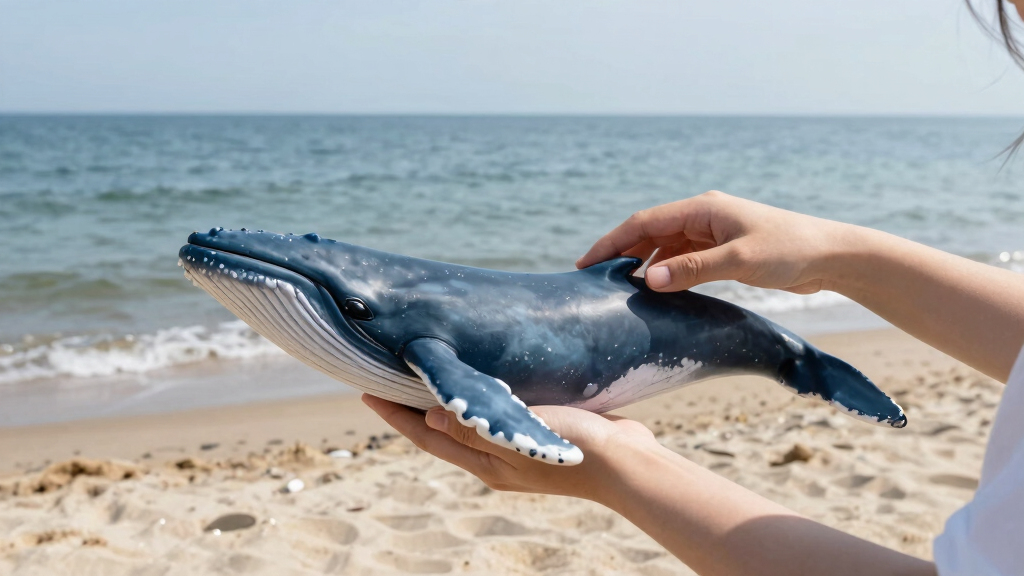
A bowhead whale, Hartwin, was discovered stranded in the Baltic Sea near the Ostsee. Authorities are assessing the situation, with no confirmed cause yet. The incident raises concerns about marine life health in the region.
A bowhead whale named Hartwin was found stranded in the Baltic Sea near the Ostsee region on March 2024. The discovery has prompted rescue efforts and an investigation by marine authorities, as experts seek to understand how the whale ended up in this area. This incident is significant as it highlights potential issues affecting marine life in the Baltic Sea.
The whale, identified as Hartwin, was located floating close to the shoreline of the Baltic Sea, near the German coast. Local rescue teams responded promptly, attempting to assist and assess the animal’s condition. According to officials from the German Maritime Authority, the whale appears to be alive but in distress. The exact cause of the stranding remains unknown, and authorities have not confirmed whether Hartwin was injured or ill prior to the incident.
Marine biologists from the region have been called in to examine the whale and collect samples for testing. Preliminary observations suggest that Hartwin is a juvenile, and no immediate signs of external injury have been reported. Experts emphasize that the Baltic Sea is not a typical habitat for bowhead whales, which are usually found in Arctic and sub-Arctic waters, raising questions about the whale’s presence in this area.
Implications for Baltic Sea Marine Ecosystems
The discovery of Hartwin, a species normally native to Arctic regions, in the Baltic Sea could indicate changes in marine migration patterns or environmental conditions. This incident underscores potential threats to marine biodiversity in the region, including pollution, climate change, and human activity. It also raises concerns about the health of marine species in areas where they are not usually found, prompting calls for increased monitoring and conservation efforts.
As an affiliate, we earn on qualifying purchases.
Background on Marine Life in the Baltic Sea
The Baltic Sea is a brackish inland sea with a relatively limited range of marine species compared to open oceans. While whales are rare in this region, occasional strandings and sightings have been reported over the years. Bowhead whales, in particular, are typically found in Arctic waters, with their range extending from the Arctic Ocean to parts of Greenland and Canada. Their presence in the Baltic Sea is highly unusual and has sparked interest among marine scientists and conservationists.
Previous reports of whale strandings in the Baltic have mostly involved smaller species, with large whales like the bowhead being extremely rare. Experts have speculated that changing ocean currents, warmer temperatures, or disruptions in migration routes could be contributing factors.
“Hartwin’s presence in the Baltic Sea is highly unusual. We are conducting tests to determine if it was ill, injured, or if environmental factors played a role.”
— Dr. Jens Müller, Marine Biologist
As an affiliate, we earn on qualifying purchases.
Unconfirmed Causes and Potential Environmental Links
It is not yet clear why Hartwin ended up in the Baltic Sea or whether external factors such as pollution, climate change, or human activity contributed. Investigations are ongoing, and no definitive cause has been established. Experts caution that more data is needed to understand whether this is an isolated incident or part of a larger pattern affecting marine migration routes.
As an affiliate, we earn on qualifying purchases.
Next Steps in Investigation and Monitoring
Authorities and marine scientists will continue examining Hartwin, including collecting tissue samples for analysis. They will also monitor the whale’s condition and look for signs of external injury or illness. Additionally, regional marine agencies plan to increase surveillance and research efforts to detect any similar occurrences and assess environmental conditions that might influence marine life movement.
As an affiliate, we earn on qualifying purchases.
Key Questions
How rare is it to find a bowhead whale in the Baltic Sea?
It is extremely rare. Bowhead whales are native to Arctic waters, and sightings or strandings in the Baltic Sea are almost unheard of, making Hartwin’s case unusual.
What could have caused Hartwin to end up in the Baltic Sea?
The exact cause remains unknown. Possible factors include changes in migration patterns, environmental disturbances, or health issues affecting the whale.
Are there any risks to local marine life or humans?
Currently, there are no known risks to humans. The primary concern is the whale’s health and understanding the broader implications for marine ecosystems.
Will Hartwin be moved back to Arctic waters?
It is too early to determine. The focus now is on assessing the whale’s health and understanding the circumstances before considering relocation or other actions.
Could this indicate environmental problems in the Baltic Sea?
Potentially. Unusual marine animal occurrences can signal broader environmental changes, but further investigation is needed to confirm any links.
Source: google-trends
Halloween Picks
halloween
As an affiliate, we earn on qualifying purchases.