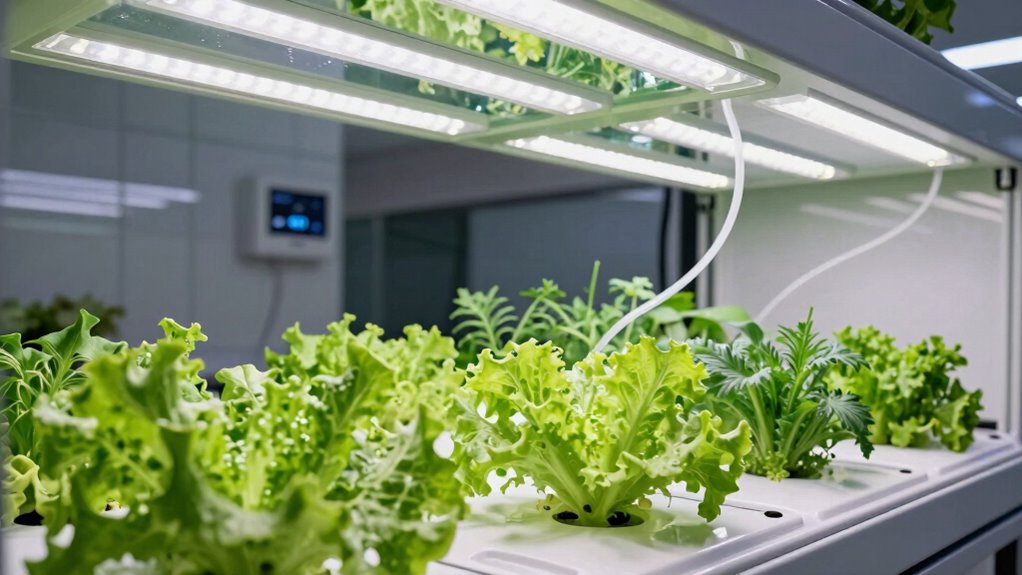

Hydroponic growing systems offer a soil-free way to cultivate fresh herbs, vegetables, and greens indoors. The best models combine ease of use, automation, and reliable performance, but they vary widely in complexity and price. The LetPot LPH-Air stands out for its WiFi control and full-spectrum LEDs, making it ideal for tech-savvy growers. Meanwhile, the Ahopegarden Indoor Garden offers a straightforward setup perfect for beginners. The main tradeoffs involve balancing automation, cost, and grow capacity. Continue reading for a detailed breakdown of the top options tailored to different needs.

Prime made for students and young adults
- Fast, free delivery for dorm and study essentials
- Prime Video and Amazon Music included
- Member-only deals
Key Takeaways
- The most advanced systems incorporate smart features like WiFi control and app integration, but they come at a higher price.
- Capacity varies significantly; choose a system that matches your intended plant volume to avoid overcrowding or wasted space.
- Build quality and ease of maintenance are critical for long-term reliability, especially in continuous-use setups.
- Budget-friendly options often sacrifice some automation features but still deliver good results for small-scale growers.
- Choosing a system with adjustable lighting and environmental controls makes it easier to optimize plant health across different crops.


More Details on Our Top Picks
Ahopegarden Indoor Garden Hydroponics Growing System: 10 Pods Kit with LED
This Ahopegarden kit stands out for its straightforward setup and automated features, making it ideal for those new to hydroponics. Its adjustable LED grow light with two modes simplifies growing both vegetables and flowers, and the water level window offers clear monitoring. Compared with the Owltron system, it’s less expandable but easier to operate without app control. The main tradeoff is its limited capacity—just 10 pods—so it’s best for small-scale, indoor gardening rather than larger setups. While dependable and user-friendly, it depends on electricity and regular watering, which might be a drawback for some users.
Pros:- Easy to set up and maintain with automatic timer
- Adjustable light height enhances plant growth conditions
- Includes water level window for simple monitoring
Cons:- Limited to 10 pods, not suitable for large gardens
- Requires regular refilling of water and nutrients
- Dependent on electricity for grow lights
Best for: Beginners and casual indoor gardeners who want a simple, reliable system with minimal fuss
Not ideal for: Experienced growers seeking large-scale or highly customizable hydroponic setups
- Number of Pods:10
- Height-Adjustable Light:Yes
- Light Modes:Vegetables, Flowers & Fruits
- Light Duration:16 hours on / 8 hours off
- Plant Height Limit:Up to 14.5 inches
- Water Reservoir:Included with water level window
Our verdict“This system is perfect for beginners seeking a straightforward, all-in-one indoor hydroponic solution.”
LetPot LPH-Air Hydroponics Growing System Kits, WiFi Controlled Indoor Garden with 24W Full Spectrum Grow Light, 10 Pods
The LetPot LPH-Air excels for those who want a smart, connected gardening experience. Its app control, combined with a 24W full-spectrum LED, enables precise customization and accelerates growth by up to 300%. Compared to the Owltron system, it offers more automation, but it requires a stable WiFi connection and the purchase of seeds separately. Its 4-liter water tank is sufficient for small to medium plants but may need frequent refilling for larger crops. This pick makes the most sense for tech-minded users who value automation and speed but are okay with small water capacity.
Pros:- Easy to use with app control and customizable settings
- Accelerates plant growth significantly with full-spectrum lighting
- Suitable for year-round gardening in any season
Cons:- Seeds must be purchased separately, adding to initial cost
- Requires stable WiFi for full functionality
- Limited water tank capacity may require frequent refills
Best for: Tech-savvy gardeners seeking automated, app-controlled indoor hydroponic systems
Not ideal for: Users lacking reliable WiFi or who prefer plug-and-play systems without app dependence
- Power:24W
- Light Type:Full Spectrum LED
- Pod Capacity:10 Pods
- Water Tank Capacity:4 liters
- Adjustable LED Length:Up to 14 inches
- Growth Cycle Duration:14-21 days
Our verdict“This system suits those who want a fast, connected indoor garden experience with minimal manual management.”
Owltron Smart Hydroponics Growing System Kit, 15 Pods Indoor Herb Garden with 36W LED Grow Light & App Control
The Owltron system is ideal for those looking for a larger capacity and enhanced control. Its 15 pods, combined with a powerful 36W LED and extendable height up to 30 inches, make it suitable for a variety of herbs and vegetables. The app control, including dimming and scheduling, provides precise management, and the quiet water pump is a plus for indoor environments. Compared with the Ahopegarden kits, Owltron offers more pods and higher light intensity but involves a more complex setup and higher initial investment. Its larger size and advanced features make it better suited for serious hobbyists or educational purposes rather than casual use.
Pros:- Supports rapid, healthy plant growth with high-powered lighting
- App control offers precise customization of light and watering
- Extended height support allows for taller plants
Cons:- Initial setup can be complex for new users
- Higher price point than smaller systems
- Requires regular water and nutrient refills
Best for: Intermediate to advanced hobbyists, educators, or those wanting larger indoor gardens
Not ideal for: Beginners or users with limited space who prefer simple, plug-and-play solutions
- Pods:15
- Tank Capacity:5.5L
- Grow Light Power:36W
- Extendable Height:Up to 30 inches
- Water Pump Noise:<20 dB
- App Compatibility:Smart Life App
Our verdict“This system is best for experienced indoor gardeners aiming for larger, more versatile hydroponic setups with advanced control features.”
Ahopegarden Indoor Garden Hydroponics Growing System: 10 Pods Kit with LED
This Ahopegarden model combines compact design with automation features, making it ideal for small spaces like kitchens or apartments. Its adjustable LED grow light with two modes supports both vegetables and flowers, and the timer automates lighting cycles. Compared with larger systems like Owltron, this kit offers fewer pods but excels in ease of use and space efficiency. The main limitation is its capacity—just 10 pods—which may restrict variety or scale, and the grow height limit of 15.3 inches could exclude larger plants. It’s best suited for those seeking a low-maintenance, space-saving indoor garden.
Pros:- Includes adjustable LED grow light with timer for automation
- Two light modes tailored for different plant types
- Compact, space-efficient design suitable for countertops
Cons:- Limited to 10 pods, restricting expansion
- Requires regular water and nutrient refills
- Grow height may not support taller plants
Best for: Urban dwellers with limited space wanting a simple, automated hydroponic garden
Not ideal for: Growers wanting larger, more diverse setups or higher plant heights
- Number of Pods:10
- Height-Adjustable Light:Yes
- Light Modes:Vegetables, Flowers & Fruits
- Light Duration:16 hours on / 8 hours off
- Plant Height Limit:15.3 inches
- Water Reservoir:Included with water level window
Our verdict“This pick is optimal for small-space indoor gardeners seeking an automated, easy-to-maintain hydroponic system.”
Ahopegarden Hydroponics Growing System: 10 Pods with Temp & Humidity Display
This Ahopegarden system stands apart with its LCD display showing real-time temperature and humidity, making it ideal for growers who want detailed environmental data. Its 10 pods, adjustable LED lighting, and automatic timer support healthy plant growth, while the quick-release design simplifies cleaning. Compared with the other Ahopegarden models, this one emphasizes climate monitoring, which benefits sensitive plants requiring stable conditions. The small 3L water tank means more frequent refills, and it does not include app control or advanced automation. It’s best for users who prioritize environment management over high capacity or tech connectivity.
Pros:- Includes temperature and humidity LCD display for environment monitoring
- Adjustable grow lights and automatic timers optimize plant health
- Quick-release design facilitates cleaning
Cons:- Seeds are not included, requiring additional purchase
- Limited to 10 pods, which may be small for larger gardens
- Requires electricity for operation
Best for: Indoor gardeners needing precise climate control for sensitive plants
Not ideal for: Casual growers or those seeking larger capacity or app integration
- Pods:10
- Water Tank Capacity:3L
- Light Height Adjustment:Up to 15.4 inches
- Timer Modes:16H (Vegetables), 22H (Fruits)
- Display:LCD screen for temperature and humidity
- Power:LED grow lights
Our verdict“This system suits those who want detailed climate data and precise control for delicate indoor plants.”
Growell 81 Pods Hydroponics Growing System Kit with Independent Water Pump
This Growell kit stands out for its high capacity with 81 pods and independent water circulation, making it suitable for dedicated home gardeners aiming for large, continuous harvests. Unlike the smaller URUQ or LETPOT systems, its vertical design maximizes space while maintaining efficiency. The full-spectrum 26W grow light and adjustable modes support diverse plant needs, but the complex setup and need for seed purchase can challenge beginners. Its quiet operation and easy cleaning make it a practical choice for year-round use, though frequent refilling might be necessary for intensive use. Overall, this system is best suited for serious hobbyists or small-scale growers seeking a comprehensive, space-efficient solution.
Pros:- High capacity with 81 pods for large-scale growing
- Independent water pump for efficient circulation per tier
- Full-spectrum 26W grow light with adjustable modes
Cons:- Complex setup might overwhelm beginners
- Seeds not included, requiring additional purchase
- Frequent refilling needed depending on usage
Best for: Home gardeners with ample space and a desire for high-volume, continuous cultivation
Not ideal for: Beginners or those seeking a simple, plug-and-play system due to its complex setup and maintenance needs
- Pods:81
- Water Tank Capacity:14L
- Grow Light Power:26W
- Light Modes:Veg, Flower & Fruit
- Noise Level:<20dB
- Water Circulation:Independent water pump per tier
Our verdict“This system makes the most sense for dedicated indoor growers seeking a high-capacity, space-efficient hydroponic setup.”
LETPOT LPH-SE Hydroponics Growing System, 12 Pods Indoor Herb Garden Kit with APP & WiFi Control, 24W LED, 5.5L Water Tank, Pump System, Automatic Timer
The LETPOT LPH-SE excels in smart gardening with its app and WiFi control, making it ideal for tech-savvy gardeners who want remote management. Compared to the more manual URUQ or Ahopegarden systems, this model offers customizable light modes and faster growth promotion via full-spectrum LEDs, but it comes at a higher cost and requires familiarity with app controls. Its compact design and included components support quick setup, though its limited water tank capacity means refills are frequent for larger crops. This pick makes the most sense for users who prioritize convenience and tech integration over initial simplicity, especially those with limited space looking to optimize plant growth remotely.
Pros:- App and WiFi control for remote management
- Full-spectrum LED lights promote faster growth
- All necessary components included for immediate use
Cons:- Requires setup and familiarity with app controls
- Limited water tank capacity necessitates frequent refilling
- Higher price point compared to basic systems
Best for: Experienced indoor gardeners who prefer app-based control and faster growth cycles
Not ideal for: Beginners or those with limited tech skills, as setup and operation depend heavily on app familiarity
- Style:Silver
- Product Style:Modern Planter
- Form:Box
- Shape:Rectangular
- Included Components:Plant Pot, Seedling Tray, Sponges, A&B Nutrients, Basket
- Unit Count:12
- Water Tank Capacity:5L
- Best Sellers Rank:#5,647 in Patio, Lawn & Garden
Our verdict“This system is best for tech-oriented gardeners who want precise control and faster results, despite a steeper learning curve.”
URUQ 8 Pods Hydroponics Growing System with LED Grow Light – Black
The URUQ 8 Pods system offers a straightforward, space-efficient hydroponic solution, making it ideal for beginners or small households. Its compact size, with a 3L water tank and adjustable height up to 21 inches, allows placement on kitchen shelves or windowsills. The 24W LED grow light and timer support healthy, rapid growth, similar to larger systems like the Growell but on a smaller scale. However, its limited pod capacity and water tank mean it’s less suitable for large or continuous harvests. The height adjustment mechanism, while useful, can sometimes be cumbersome to operate. Overall, this model suits those seeking an easy, low-maintenance setup for limited indoor gardening space.
Pros:- Compact, space-saving design fits on small surfaces
- Adjustable height for versatile placement and plant growth
- Quiet operation with efficient LED lighting and timer
Cons:- Limited water tank capacity requires frequent refilling
- Small pod number limits large harvests
- Height adjustment mechanism can be cumbersome for some users
Best for: Novice indoor growers with limited space who want quick, manageable results
Not ideal for: Large-scale or high-volume growers, as its capacity and water reservoir are limited
- Power:24-watt LED
- Water Tank Capacity:3L
- Height Adjustment:Yes, up to 21 inches
- Light Duration:16 hours on, 8 hours off
- Noise Level:Less than 20 dB
Our verdict“This system is perfect for beginners or those with tight indoor spaces seeking an easy-to-maintain hydroponic setup.”
Ahopegarden Hydroponics Growing System Kit: 12 Pods with LCD Control Panel
The Ahopegarden system combines sleek aesthetics with advanced control via its LCD touchscreen, appealing to those who value style and precision. Its support for organic vegetables and herbs makes it suitable for health-conscious users in limited spaces. Compared with the simpler URUQ or LETPOT, its dual light modes and adjustable height contribute to optimized plant growth, but the necessity of electricity and water supply adds complexity. The comprehensive accessories support easy setup, though the system’s reliance on power and water makes it less ideal for those seeking purely manual or outdoor options. This choice is best for urban gardeners wanting a modern, feature-rich indoor farm with detailed control.
Pros:- Sleek, modern design with LCD touchscreen control
- Supports organic vegetables and herbs in limited space
- Adjustable height and dual light modes for optimized growth
Cons:- Requires electricity and water, limiting outdoor use
- More complex setup for those unfamiliar with digital controls
- Indoor-only use restricts outdoor gardening options
Best for: Tech-savvy urban gardeners aiming for precise control and organic plant cultivation
Not ideal for: Beginners or gardeners favoring simplicity over advanced features, due to setup complexity
- Brand:Ahopegarden
- Model Number:HSXC4
- Water Tank Capacity:5L
- Pod Count:12
- Design Style:Modern
- Color:Midnight Black
Our verdict“This system is ideal for urban gardeners seeking a stylish, high-tech indoor solution with precise control, despite a more complex setup.”
URUQ 8 Pods Hydroponics Growing System with LED Grow Light
The URUQ 8 Pods system is a cost-effective choice for newcomers or those with minimal space, offering essential hydroponic features in a compact form. Its LED grow light, adjustable up to 180°, and quiet pump promote healthy growth without overwhelming complexity. Compared to larger systems like the Growell or the more sophisticated Ahopegarden, it provides a straightforward setup and maintenance experience. However, its small water tank and pod count limit scalability for more ambitious growers. The water refill requirement may be frequent for larger or continuous use, and the height adjustment, while helpful, can be somewhat cumbersome. It’s an excellent entry-level option for small, indoor herb or vegetable gardens.
Pros:- Affordable price point for entry-level hydroponics
- Adjustable LED light and height for healthy plant development
- Quiet, easy-to-setup design suitable for all skill levels
Cons:- Limited water capacity necessitates frequent refills
- Small pod capacity restricts large harvests
- Some find the height adjustment mechanism cumbersome
Best for: Beginner gardeners or those with limited space wanting a simple, affordable hydroponic system
Not ideal for: Experienced growers or anyone planning large or continuous harvests due to capacity limitations
- Power:24 watts
- Adjustable height:up to 180°
- Water tank capacity:3 liters
- Light cycle:16 hours on, 8 off
- Pods:8
Our verdict“This model is best for beginners seeking an easy, budget-friendly hydroponic setup for small-scale growth.”
How We Picked
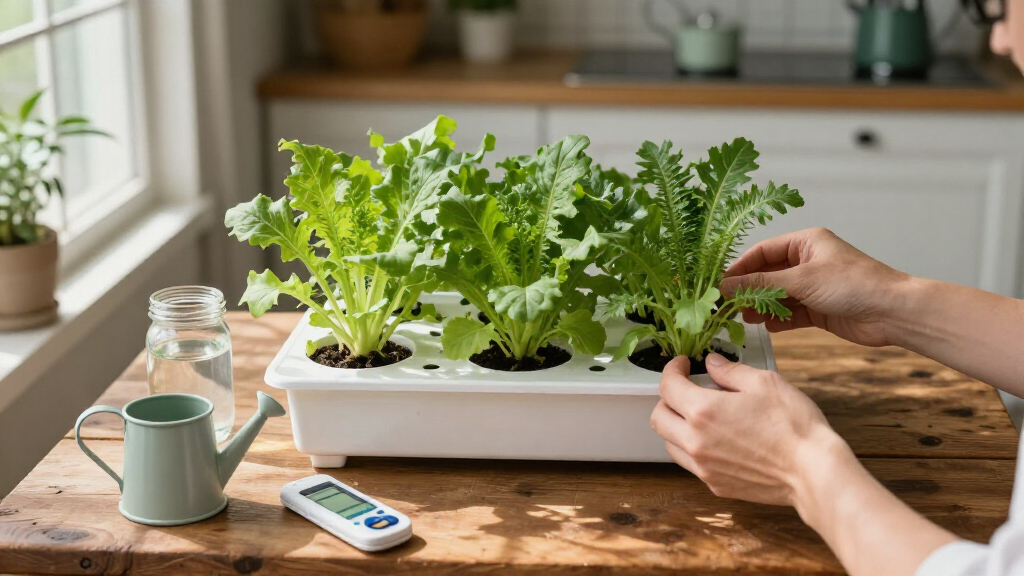
Our evaluation focused on performance, usability, build quality, maintenance needs, and value for investment. We prioritized systems that offer consistent growth outcomes, easy setup, and reliable controls. Automated features like timers, app integration, and environmental monitoring were weighted heavily, as they significantly impact user experience. To rank these systems, we compared capacity, control options, price point, and user feedback, ensuring each pick addresses specific grower needs from beginners to seasoned enthusiasts.Factors to Consider When Choosing Hydroponic Growing Systems
Choosing the right hydroponic system depends on your space, budget, and growing goals. It’s important to consider how much automation you want, the types of plants you’re cultivating, and how much maintenance you’re willing to handle. The following factors will help you narrow down your options and avoid common pitfalls that can lead to underperformance or frustration.Capacity and Size
Assess how many plants you want to grow at once and the available space. Larger systems with more pods are ideal for serious growers but can be bulky and more expensive. Conversely, compact systems suit small kitchens or beginner gardeners. Keep in mind that larger systems may require more maintenance and monitoring, so choose a size that matches your experience level and commitment.
Automation and Control Features
Automation—such as timers, app control, and environmental sensors—can greatly reduce manual effort and improve plant health. However, these features often come with a higher price tag. Decide whether you want a plug-and-play system that runs largely on presets or a more manual setup that requires regular attention. Over-reliance on automation can sometimes mask issues, so balance convenience with control.
Lighting Quality and Spectrum
Lighting is crucial for plant growth, and full-spectrum LEDs are generally preferred for their versatility. Look for systems offering adjustable light intensity and spectrum tailored to different growth stages. Cheaper models might have fixed or lower-quality LEDs that limit plant development, so investing in better lighting can improve yields and growth speed, especially for more demanding crops.
Ease of Maintenance and Durability
Hydroponic systems require regular cleaning to prevent algae, pests, and nutrient buildup. Models with accessible components and simple cleaning procedures save time and reduce frustration. Durable materials like high-quality plastics and corrosion-resistant parts extend the lifespan of the system, making it a better long-term investment. Avoid overly complex systems that can be difficult to service, especially if you’re new to hydroponics.
Price and Value
While high-end systems offer advanced features, they might be unnecessary for casual growers. Conversely, very cheap options can lack reliability and automation. Aim for a balance—spend enough to get a durable, feature-rich system that supports your growing ambitions without overspending. Consider ongoing costs such as nutrients, replacement parts, and electricity when evaluating overall value.
Frequently Asked Questions
Can I grow any type of plant in a hydroponic system?
Most leafy greens, herbs, and small vegetables thrive in hydroponic setups, but some plants may require specific lighting or environmental conditions not available in all systems. Crops like lettuce, basil, and tomatoes are common choices, thanks to their adaptability. Before starting, research each plant’s needs to ensure your chosen system can support their growth effectively.
How much maintenance does a hydroponic system require?
Maintenance levels vary depending on the system’s complexity. Basic models need regular nutrient replenishment, water level checks, and cleaning of grow trays. More advanced, automated systems reduce manual intervention by managing watering and lighting schedules. Nonetheless, periodic cleaning and monitoring are essential to prevent algae, pests, and system failures.
Is automation worth the extra cost?
Automation can save time and improve plant consistency, especially for larger or more complex setups. It allows precise control over environmental factors, which can lead to faster growth and higher yields. However, it also adds to the initial investment and potential repair costs. For small-scale or hobby growers, manual systems might be sufficient and more budget-friendly.
What should I consider if I want to expand my hydroponic system later?
If expansion is a goal, look for systems with modular designs or compatible components. Some brands offer expandable setups that allow adding more pods or increasing capacity without replacing the entire system. Planning for future growth from the start can save money and effort, ensuring your investment remains functional as your needs evolve.
Are smart hydroponic systems reliable long-term?
Smart systems with app control and environmental sensors can be highly reliable if made with quality components. However, they may require firmware updates and occasional troubleshooting. Investing in well-reviewed models with good customer support can mitigate potential issues. For consistent results, regular manual checks are still recommended, even in automated setups.
Conclusion
For casual hobbyists or newcomers, the Ahopegarden Indoor Garden offers straightforward operation and good value. Serious growers or those with limited space will appreciate the LetPot LPH-Air for its smart features and scalability. Budget-conscious buyers can consider simpler models like the URUQ 8 Pods System without sacrificing too much performance. Those seeking a premium experience may find the Owltron Smart Hydroponics System worth the investment for its advanced control options. Matching your specific needs, space, and budget will lead to the best hydroponic setup in 2026.Fall Picks
fall essentials
As an affiliate, we earn on qualifying purchases.