
TL;DR

Prime made for students and young adults
- Fast, free delivery for dorm and study essentials
- Prime Video and Amazon Music included
- Member-only deals
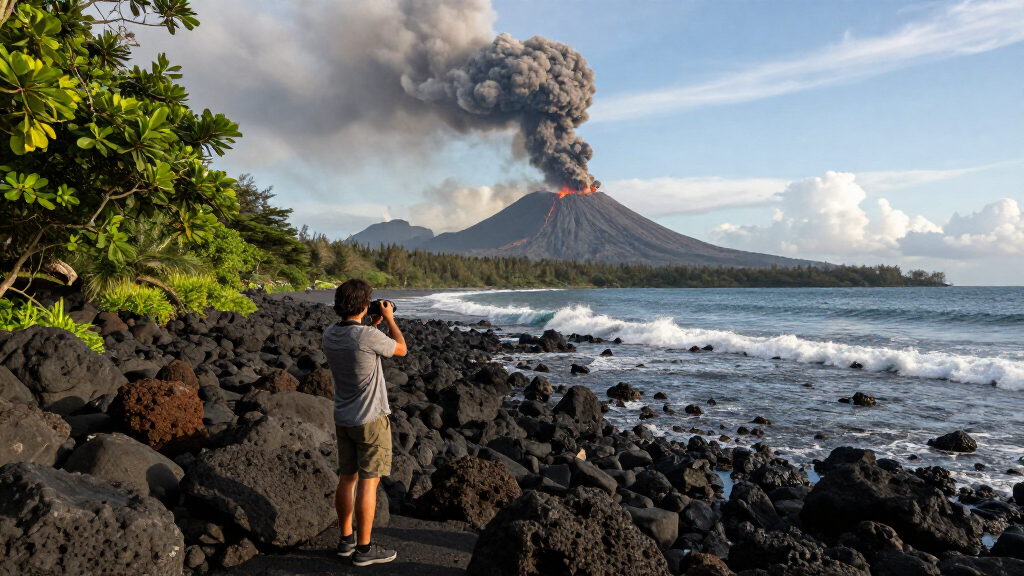
Anak Krakatau volcano in Indonesia has erupted, according to local reports. Authorities are monitoring the situation closely, but the full extent of the eruption and its impact are still unknown. This event has attracted increased media and public attention.
Anak Krakatau volcano in Indonesia has erupted today, marking a significant volcanic event in the Sunda Strait. The eruption was confirmed by local authorities and geological agencies, prompting an immediate response to monitor potential hazards. The event is noteworthy due to Anak Krakatau’s history of activity and its proximity to populated areas, raising concerns about possible ash fallout, pyroclastic flows, or tsunamis. The eruption’s scale and impact are still being assessed, but the event has already attracted widespread attention from both officials and the public.
The eruption of Anak Krakatau was officially confirmed by Indonesia’s Center for Volcanology and Geological Hazard Mitigation (PVMBG) early this morning. Witnesses near the volcano reported seeing ash plumes rising several kilometers into the sky, accompanied by minor ash fall in surrounding villages. The volcano, which emerged in 1927 and has been highly active since, experienced a series of small to moderate eruptions over the past year, but today’s event is considered more significant in scale.
Authorities immediately raised the alert level for Anak Krakatau from Level II (standby) to Level III (alert), urging residents and travelers to stay away from the volcano’s exclusion zone, which extends approximately 2 kilometers from the crater. No casualties or injuries have been reported so far, and evacuation orders have been issued for nearby settlements as a precaution. The Indonesian National Disaster Management Agency (BNPB) has deployed teams to monitor the volcano and assess potential risks, including the possibility of secondary hazards such as tsunamis, which have historically been linked to Anak Krakatau’s eruptions.
Implications of Anak Krakatau’s Eruption for Local Safety and Environment
This eruption is significant because Anak Krakatau is located in a densely populated region and has a history of causing destructive tsunamis, notably in 2018. The event underscores ongoing volcanic activity in the Sunda Strait, an area known for seismic and volcanic hazards. The eruption could impact air travel, local communities, and marine traffic, especially if ash clouds spread over populated or navigational routes. Furthermore, increased volcanic activity may influence regional disaster preparedness efforts, prompting authorities to review safety protocols and evacuation plans.
Given Anak Krakatau’s history, the eruption heightens concerns about secondary hazards, particularly tsunamis triggered by underwater landslides or pyroclastic flows. While no such events have been confirmed yet, authorities remain on high alert. The event also draws attention to Indonesia’s broader volcanic activity, which is among the most active in the world, highlighting the ongoing need for vigilant monitoring and disaster readiness.
As an affiliate, we earn on qualifying purchases.
Historical Activity and Recent Trends at Anak Krakatau
Anak Krakatau, meaning ‘Child of Krakatau,’ is a volcanic island that emerged from the caldera of the original Krakatau volcano, which famously erupted in 1883. Since its appearance in 1927, Anak Krakatau has been one of Indonesia’s most active volcanoes, with frequent eruptions, lava flows, and ash emissions. Its activity has been closely monitored due to its proximity to coastal communities and the potential for causing tsunamis.
In recent years, Anak Krakatau has shown increased activity, including a series of eruptions in 2018 that caused a deadly tsunami, resulting in over 400 deaths and widespread destruction. Since then, authorities have maintained heightened alert levels, and the volcano has continued to exhibit signs of unrest, including ash emissions and small eruptions. The current eruption marks another chapter in its ongoing volcanic cycle, with scientists emphasizing the importance of continuous observation.
As an affiliate, we earn on qualifying purchases.
Extent of Eruption and Potential Secondary Hazards Still Unclear
While the eruption has been confirmed, the full scale of the event, including its duration and intensity, remains uncertain. It is not yet clear whether ash clouds will affect air travel or if secondary hazards such as tsunamis or pyroclastic flows will occur. Authorities are still assessing the situation, and further updates are expected as monitoring continues.
As an affiliate, we earn on qualifying purchases.
Ongoing Monitoring and Preparedness Measures Expected
Authorities will continue to monitor Anak Krakatau closely, with updates anticipated as new data becomes available. Emergency response teams are on standby, and evacuation protocols remain in place for vulnerable areas. Scientific agencies will analyze ash dispersion, seismic activity, and potential secondary hazards to inform safety advisories and public communications. The situation could evolve rapidly, depending on the volcano’s activity in the coming hours or days.
As an affiliate, we earn on qualifying purchases.
Key Questions
How dangerous is Anak Krakatau’s current eruption?
The danger level depends on the eruption’s scale and secondary hazards. Authorities have raised alert levels and issued evacuation orders for nearby communities, but no injuries or casualties have been reported so far. Continued monitoring is essential to determine if further risks develop.
Could this eruption trigger a tsunami?
While Anak Krakatau’s eruptions have historically been linked to tsunamis, it is not yet confirmed if this event will cause one. Authorities are on high alert and monitoring for signs of secondary hazards.
What areas are most at risk from this eruption?
Nearby coastal settlements within a 2-kilometer radius are most at risk, particularly from ash fall and potential landslides. Marine traffic in the Sunda Strait could also be affected.
When will more information be available?
Further updates are expected as scientists analyze data from ongoing monitoring efforts. Officials have not provided a specific timeline but are expected to communicate developments as they occur.
Should residents in the region prepare for evacuation?
Yes, residents in vulnerable areas should stay alert to official advisories and be prepared to evacuate if necessary, given the unpredictable nature of volcanic activity.
Source: bluesky
Halloween Picks
halloween
As an affiliate, we earn on qualifying purchases.