📊 Full opportunity report: The Benefits Of Near-Miss AI Detection For Industrial Safety Programs on IdeaNavigator AI — validation score, market gap, and execution plan.

Prime made for students and young adults
- Fast, free delivery for dorm and study essentials
- Prime Video and Amazon Music included
- Member-only deals
TL;DR
A new AI system that analyzes existing warehouse CCTV footage to detect near-misses is being tested. It aims to improve safety oversight, reduce injuries, and lower insurance costs. The development is in early testing phases, with potential for wider adoption.
Near-miss detection AI for existing warehouse CCTV footage is being tested as a practical safety enhancement tool for warehouse managers. Developed to analyze footage for forklift-pedestrian proximity, blind-corner conflicts, and rack contacts, the system aims to provide actionable insights that can prevent injuries and improve safety programs. This initiative is part of a broader effort to leverage AI for industrial safety improvements.
The AI tool is designed to process existing real-time streaming protocol (RTSP) feeds from warehouse cameras, automatically identifying safety-critical near-misses such as forklift-pedestrian proximity, speed violations, and contact with racks. During a two-week pilot, safety managers at three mid-market warehouses will review weekly digests containing clips, dates, shifts, and severity assessments. The goal is to evaluate the system’s accuracy and willingness to pay based on potential reductions in incident rates and insurance premiums.
According to sources familiar with the project, the AI models use vision classification techniques to analyze commodity CCTV feeds, which are typically underutilized for safety monitoring. The system aims to fill a gap where hundreds of hours of footage are archived without review, missing opportunities for proactive safety management. The approach is positioned as a low-cost, scalable solution that can be adopted across multiple facilities, with a subscription model scaled by camera count.
Potential Impact on Warehouse Safety and Insurance Costs
This development could significantly improve safety oversight in warehouses by providing continuous, automated monitoring of near-misses, which are often precursors to serious injuries. By documenting these events, safety managers can identify hazards proactively, leading to targeted interventions. Additionally, documented safety improvements may qualify facilities for lower insurance premiums, creating a financial incentive for adoption. Experts note that the system’s ability to analyze existing CCTV feeds makes it a practical, scalable solution for many warehouse operators seeking cost-effective safety enhancements.
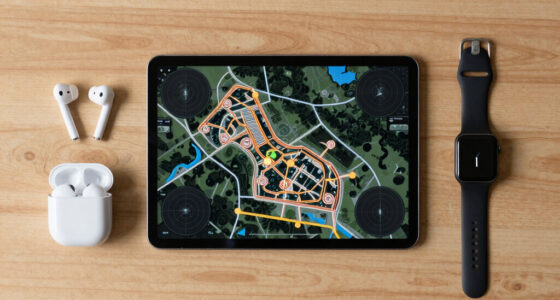
warehouse CCTV near-miss detection AI
As an affiliate, we earn on qualifying purchases.
As an affiliate, we earn on qualifying purchases.
Background of AI in Industrial Safety Monitoring
Warehouse safety has traditionally relied on manual incident reporting and periodic safety audits, often missing near-misses that could prevent future injuries. Recent advances in computer vision and AI have enabled the automation of hazard detection, but most applications focus on new camera installations or specialized sensors. The current initiative by IdeaNavigator AI leverages existing CCTV infrastructure, making safety monitoring more accessible and cost-effective. The timing aligns with increasing regulatory and insurance pressure for documented safety improvements, especially as warehouses handle higher volumes of goods and more complex operations.
“Using existing CCTV feeds for near-miss detection could revolutionize how warehouses monitor safety, turning passive footage into proactive prevention tools.”
— an anonymous researcher
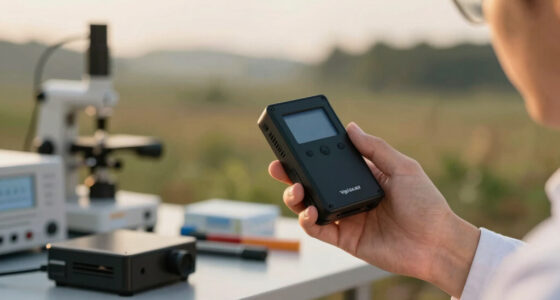
industrial safety AI monitoring system
As an affiliate, we earn on qualifying purchases.
As an affiliate, we earn on qualifying purchases.
Uncertainties About System Accuracy and Adoption
It is not yet clear how accurately the AI system will identify near-misses in diverse warehouse environments or how safety managers will respond to the weekly digests. The pilot phase will reveal whether the system can reliably flag critical events and whether facilities see enough value to commit to subscription costs. Additionally, questions remain about how this technology will integrate with existing safety protocols and whether regulatory bodies will endorse automated near-miss reporting.
As an affiliate, we earn on qualifying purchases.
Next Steps for Validation and Broader Deployment
Following the two-week pilot, safety managers will review the near-miss clips and assess the system’s effectiveness. If successful, the company plans to expand testing across more warehouses and refine the AI models based on initial feedback. Long-term, the goal is to develop a fully scalable, subscription-based service that can be integrated into standard safety programs, potentially influencing industry standards and insurance policies.
forklift pedestrian proximity alert system
As an affiliate, we earn on qualifying purchases.
As an affiliate, we earn on qualifying purchases.
Key Questions
How does the AI detect near-misses in CCTV footage?
The AI uses vision classification models to analyze live or archived CCTV feeds, identifying proximity violations, speed breaches, and contact events involving forklifts and pedestrians.
What are the benefits of using existing CCTV for safety monitoring?
It leverages current infrastructure, reducing costs and installation time, while providing continuous safety oversight without requiring new sensors or equipment.
Will this system reduce workplace injuries?
While early testing aims to demonstrate that automated near-miss detection can help prevent injuries by enabling proactive safety measures, definitive results will depend on pilot outcomes and subsequent adoption.
What is the cost model for this AI safety tool?
The system is planned to be offered as a per-facility monthly subscription, scaled by camera count, with potential savings through insurance premium reductions.
Are there privacy or regulatory concerns with AI monitoring CCTV footage?
Current focus is on safety event detection; privacy considerations are being addressed, but regulatory acceptance will depend on local laws and industry standards for automated safety monitoring.
Source: IdeaNavigator AI
Fall Picks
fall essentials
As an affiliate, we earn on qualifying purchases.