
TL;DR

Prime made for students and young adults
- Fast, free delivery for dorm and study essentials
- Prime Video and Amazon Music included
- Member-only deals
Advances in biotechnology now enable individuals to sequence their DNA at home using affordable kits and open-source tools. This development raises questions about accessibility, privacy, and accuracy, with some methods still in experimental stages.
Individuals can now sequence their own DNA at home using emerging affordable kits and open-source software, making genetic analysis more accessible than ever. This shift is driven by advances in biotechnology and decreasing costs, though the accuracy and privacy implications are still under discussion.
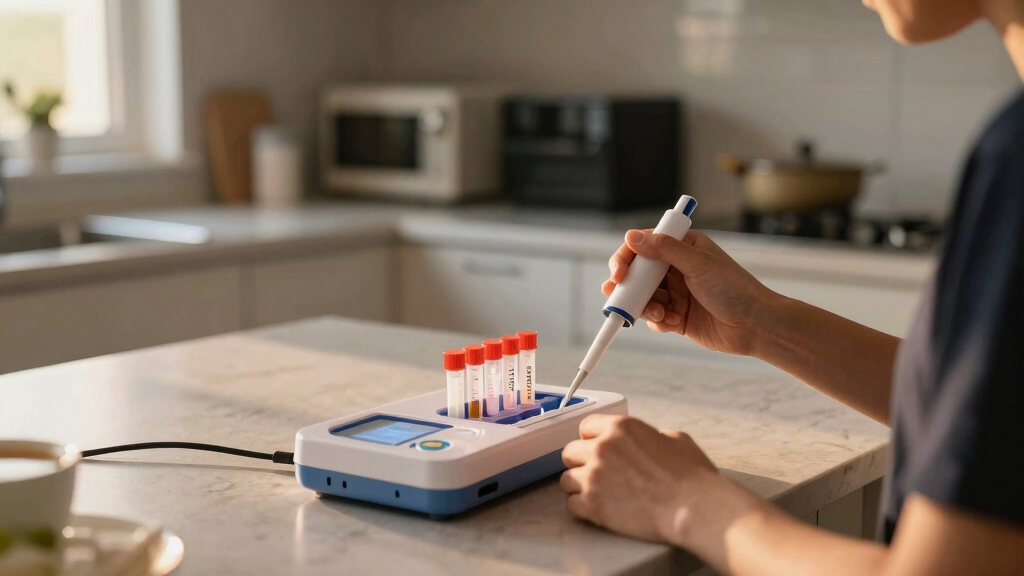
Recent developments include the availability of DIY DNA sequencing kits that enable users to extract and analyze genetic material without professional laboratory equipment. Companies like HomeGenetics and open-source projects such as OpenSeq have released tools that guide users through sample collection, DNA extraction, and sequencing steps. These kits typically rely on portable sequencers like the Oxford Nanopore MinION, which can be connected to a personal computer.
Experts confirm that with proper guidance, technically skilled individuals can perform basic sequencing at home. However, the results may vary in accuracy, and interpreting genetic data remains complex. Privacy concerns are also raised, as genetic information could be vulnerable if not properly secured.
Implications of DIY DNA Sequencing for Consumers
This development could democratize access to genetic information, enabling individuals to learn about their ancestry, health risks, and genetic traits without visiting specialized labs. It also raises concerns about data privacy, potential misuse of genetic data, and the need for proper interpretation of complex results. Healthcare and ethical communities are closely monitoring these trends to understand their broader impact.
As an affiliate, we earn on qualifying purchases.
Emergence of Home DNA Sequencing Technologies
Over the past decade, DNA sequencing has become faster and cheaper, primarily driven by advances in genomics research and commercial biotech companies. While professional labs have traditionally handled sequencing, recent innovations have led to portable devices and DIY kits aimed at consumers. In 2024, several companies launched products marketed for personal genetic analysis, sparking increased public interest and debate about the safety and accuracy of at-home sequencing.
“With the right tools and knowledge, individuals can perform basic DNA sequencing at home, but interpreting the data remains a challenge for most users.”
— Dr. Lisa Chen, geneticist at Genomics Institute
portable DNA sequencer Oxford Nanopore MinION
As an affiliate, we earn on qualifying purchases.
As an affiliate, we earn on qualifying purchases.
Uncertainties Surrounding Accuracy and Data Privacy
It is still unclear how accurate the results of at-home sequencing kits are compared to professional lab standards. Additionally, the privacy and security of genetic data collected through these methods are not fully regulated, raising concerns about data misuse or breaches. Experts warn that misinterpretation of results could lead to unnecessary anxiety or false reassurance.
As an affiliate, we earn on qualifying purchases.
Next Steps for DIY DNA Sequencing Adoption and Regulation
As DIY sequencing tools become more widespread, regulatory bodies and health organizations are expected to develop guidelines for safe use and data protection. Further research is needed to validate the accuracy of consumer-grade sequencing devices. Meanwhile, educational resources are likely to expand to help users understand and interpret their genetic data responsibly.
As an affiliate, we earn on qualifying purchases.
Key Questions
Can I sequence my DNA at home with current technology?
Yes, several commercially available kits and portable sequencers like the Oxford Nanopore MinION allow individuals to perform basic DNA sequencing at home, provided they have the necessary technical skills.
How accurate are at-home DNA sequencing results?
The accuracy of DIY sequencing varies depending on the equipment and methods used. While promising, results may not match the precision of professional laboratory tests, especially for detailed genetic analysis.
What are the privacy risks of sequencing my DNA at home?
Genetic data collected through at-home kits could be vulnerable to hacking or misuse if not properly secured. Privacy policies differ among companies, and users should carefully review data handling practices.
Is interpreting my genetic data easy for non-experts?
Interpreting genetic data can be complex and requires understanding of genetics. Many DIY kits provide basic insights, but comprehensive interpretation often needs professional guidance.
Are there ethical concerns with DIY DNA sequencing?
Yes, concerns include potential misuse of genetic information, psychological impacts of discovering sensitive data, and the need for appropriate counseling and regulation.
Source: hn
Fall Picks
fall essentials
As an affiliate, we earn on qualifying purchases.