
TL;DR

Prime made for students and young adults
- Fast, free delivery for dorm and study essentials
- Prime Video and Amazon Music included
- Member-only deals
By 2026, AI is expected to significantly impact daily life through eight major trends, including personalized AI assistants, advanced automation, and ethical AI development. Experts from industry sources highlight these developments as transformative for consumers and businesses alike.
Artificial intelligence is poised to profoundly reshape daily life by 2026, with eight major trends identified by industry experts. These developments will influence work, personal routines, and societal norms, making AI’s evolution a critical focus for consumers and policymakers alike.
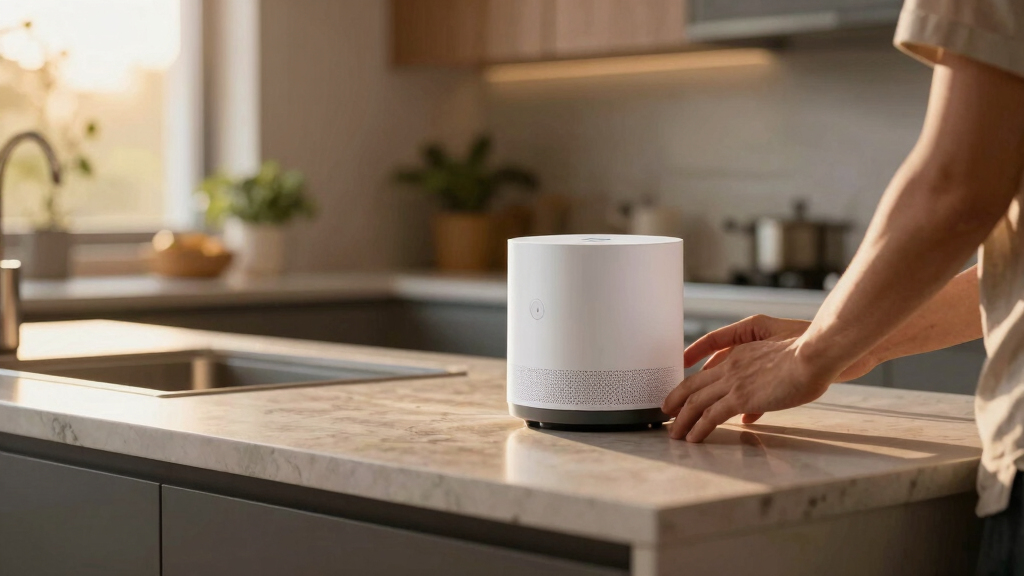
According to recent industry analyses, the eight key AI trends for 2026 include the rise of highly personalized AI assistants, widespread automation across sectors, and advancements in ethical AI frameworks. Experts from ThorstenMeyerAI.com highlight that AI will become more integrated into everyday devices, offering tailored experiences and increased efficiency.
One notable trend is the growth of AI-powered healthcare tools that enable early diagnosis and personalized treatment plans, as confirmed by industry sources. Additionally, AI-driven automation is expected to streamline logistics, manufacturing, and customer service, reducing costs and increasing productivity.
While these developments promise significant benefits, experts caution that regulatory frameworks and ethical considerations will be critical to managing AI’s societal impact, with ongoing debates about privacy, bias, and accountability.
The 8 picks
- 1
 Razer Viper V3 Pro Wireless Esports Gaming MouseView on Amazon →
 - 2
 Logitech G502 Lightspeed Wireless Gaming Mouse with Hero 25K Sensor, PowerPla…View on Amazon →
 - 3
 Razer Basilisk V3 X HyperSpeed Wireless Gaming MouseView on Amazon →
 - 4
 Razer Viper V3 HyperSpeed Gaming Mouse – Wireless, Optical, 30,000 DPI, 6 Pro…View on Amazon →
 - 5
 Logitech G305 Lightspeed Wireless Gaming Mouse, Hero Sensor, 12,000 DPI, Ligh…View on Amazon →
 - 6
 Redragon M810 Pro Wireless Gaming MouseView on Amazon →
 - 7
 Razer Basilisk V3 Customizable Ergonomic Gaming MouseView on Amazon →
 - 8
 Logitech G305 Lightspeed Wireless Gaming Mouse with HERO SensorView on Amazon →
Why AI Trends in 2026 Will Matter to Everyone
These AI developments will influence nearly every aspect of daily life, from how individuals manage health and work to how societies address privacy and ethical issues. The integration of AI into personal devices promises increased convenience, but also raises questions about data security and autonomy.
For businesses, embracing these trends offers opportunities for innovation and competitive advantage, while policymakers face the challenge of establishing regulations that balance progress with societal protections. Overall, understanding these trends is essential for navigating the future landscape of AI-enabled living.
The Evolution of AI: Key Milestones Leading to 2026
The trajectory of AI development over the past decade has seen rapid improvements in machine learning, natural language processing, and robotics. Industry sources note that the deployment of AI in consumer products and enterprise solutions has accelerated since 2020, setting the stage for the comprehensive integration projected for 2026.
Recent breakthroughs include more sophisticated AI assistants capable of complex conversations, and automation tools that handle increasingly nuanced tasks. Regulatory discussions and ethical frameworks are also evolving, aiming to guide responsible AI deployment amid these rapid advancements.
“The societal impact of AI hinges on responsible development and regulation, ensuring benefits outweigh risks.”
— Dr. Lisa Chen, AI Ethics Researcher
Unresolved Questions About AI’s Future in 2026
While experts agree on many trends, specific details about AI’s societal impact, regulatory effectiveness, and potential unintended consequences remain uncertain. It is not yet clear how governments and industries will address issues like privacy breaches, bias, and job displacement at scale.
Additionally, the pace of technological breakthroughs and public acceptance could influence the actual trajectory of AI integration, making some predictions provisional.
Next Steps in AI Development and Regulation
Industry leaders and policymakers will continue to develop standards, ethical frameworks, and regulations to guide AI deployment. Research into AI safety and bias mitigation will intensify, alongside efforts to educate the public about AI capabilities and risks.
Prototypes and pilot programs are expected to test new AI applications in healthcare, transportation, and smart cities over the next year, shaping the landscape for 2026 and beyond.
Key Questions
What are the most impactful AI trends expected by 2026?
Key trends include personalized AI assistants, widespread automation, advances in ethical AI, healthcare innovations, and smarter autonomous systems.
How will AI affect jobs and employment by 2026?
AI is expected to automate routine tasks, potentially displacing some jobs while creating new roles in AI development, maintenance, and oversight. The overall impact depends on regulatory and societal responses.
What ethical concerns are associated with AI in 2026?
Major concerns include data privacy, algorithmic bias, accountability for AI decisions, and the potential for misuse or unintended consequences of autonomous systems.
Will AI be regulated effectively by 2026?
Regulatory frameworks are still evolving. While efforts are underway globally, it is uncertain how effectively they will address the rapid pace of AI innovation and deployment.
How can consumers prepare for AI-driven changes in daily life?
Staying informed about AI developments, understanding data privacy rights, and engaging in discussions about ethical AI are important steps for consumers.
Source: ThorstenMeyerAI.com
Fall Picks
fall essentials
As an affiliate, we earn on qualifying purchases.