
TL;DR

Prime made for students and young adults
- Fast, free delivery for dorm and study essentials
- Prime Video and Amazon Music included
- Member-only deals
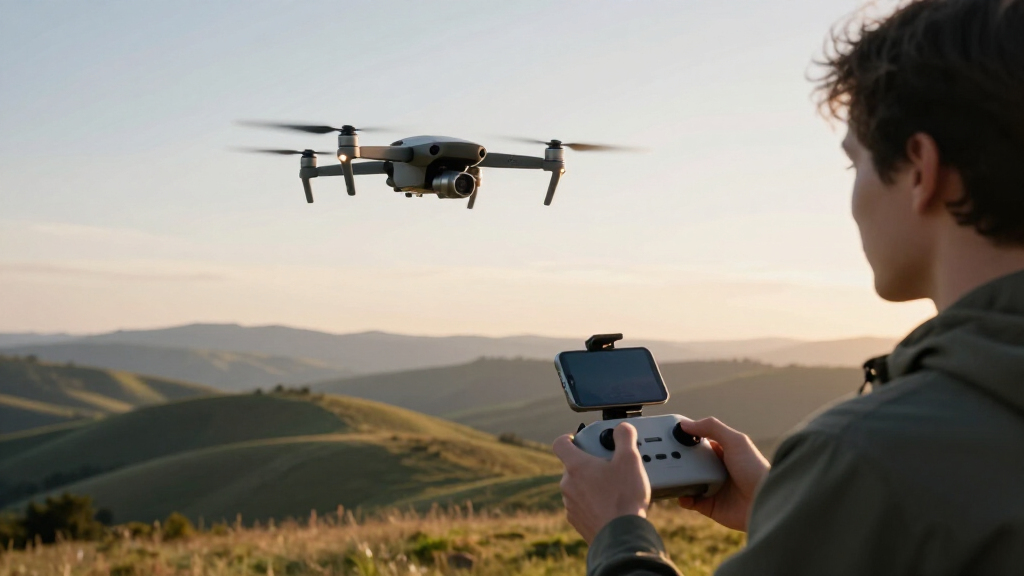
Artificial intelligence is significantly elevating drone photography quality in 2026. The latest models incorporate advanced AI features for stabilization, obstacle avoidance, and automated shot planning, making professional-grade footage more accessible.
Artificial intelligence is increasingly embedded in drone technology, revolutionizing aerial photography in 2026. Leading models now feature AI-driven stabilization, obstacle avoidance, and autonomous flight modes, making high-quality drone footage more accessible to hobbyists and professionals alike. For a detailed overview, see the original analysis of top camera drones. This development underscores a significant shift in how aerial imagery is captured and processed, with AI serving as a key enabler.
Recent reviews and industry reports confirm that the 2026 top drone models incorporate advanced AI algorithms to improve stabilization, automate flight paths, and optimize image capture. You can explore the best camera drones in 2026 for more insights. For example, the DJI Air 3 AI integrates real-time scene recognition and adaptive tracking, allowing users to capture cinematic shots with minimal manual control. Similarly, the Skydrone X5 AI employs deep learning to enhance obstacle detection and avoidance, even in complex environments.
These AI features are designed to reduce user workload, improve safety, and elevate the quality of footage. For a comprehensive list, see the top camera drones in 2026. Industry experts emphasize that AI-driven stabilization, such as electronic gimbals powered by machine learning, results in smoother videos, especially in windy conditions or during rapid maneuvers. The trend toward autonomous flight modes enables drones to follow subjects, plan optimal routes, and capture dynamic scenes without constant user input.
Manufacturers are also focusing on user-friendly interfaces that leverage AI for automated editing and footage enhancement, making professional-grade output achievable for amateurs. Battery life remains a challenge, but some models now use AI to optimize power consumption during flight, extending operational time.
The 10 picks
- 1
 DJI Mini 5 Pro Fly More Combo Plus with DJI RC 2, 4K Camera DroneView on Amazon →
 - 2
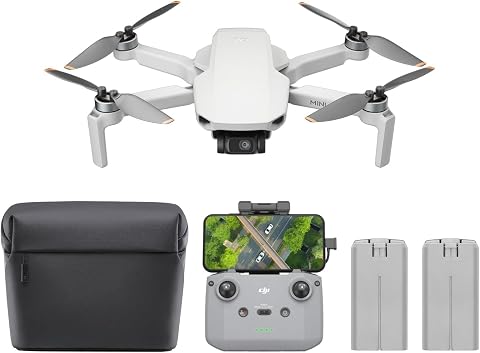 DJI Mini 4K Camera Drone Combo, 4K UHD, 249g, 3-Axis Gimbal, 10km Transmissio…View on Amazon →
 - 3
 DJI Mini 4K Drone with 4K UHD Camera and 3-Axis GimbalView on Amazon →
 - 4
 8K GPS Drone with Camera for Adults, 5G Brushless Foldable RC QuadcopterView on Amazon →
 - 5
 GPS Drone with 1080P Camera and 4.5" LCD Screen RemoteView on Amazon →
 - 6
 TD12Pro Drone with 1080P Camera and LCD Screen RemoteView on Amazon →
 - 7
 MSMV 4K HD Camera Drone, Wireless RC Toy for Boys and GirlsView on Amazon →
 - 8
 F417PRO FPV Drone with 1080P Camera and LCD Remote for Adults, Beginners, KidsView on Amazon →
 - 9
 Drone with Camera and Built-in Screen on ControllerView on Amazon →
 - 10
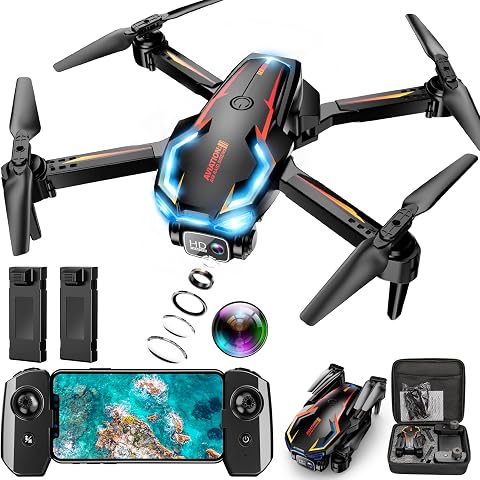 Drone with Camera for Adults, 2K HD FPV, Altitude Hold, One-Key Takeoff/Landi…View on Amazon →
Why AI-Enhanced Drones Change Aerial Photography
The integration of AI into drone technology significantly lowers the barrier to capturing high-quality aerial footage. For hobbyists, AI simplifies flight controls and shot composition, making professional-looking videos accessible without extensive training. For professionals, AI-driven stabilization and autonomous flight modes save time and improve shot consistency, especially in complex environments.
Moreover, AI enhances safety by providing better obstacle detection and avoidance, reducing accidents during outdoor flights. This evolution could lead to broader adoption of drone photography across industries such as filmmaking, real estate, agriculture, and infrastructure inspection. As AI continues to mature, the potential for fully autonomous drones capable of complex tasks increases, promising a new era of aerial imaging.
Advancements in Drone AI Technology Leading Up to 2026
Over the past few years, drone manufacturers have progressively integrated AI features to enhance flight stability, obstacle detection, and autonomous operation. Early AI implementations focused on basic object tracking and stabilization, but recent developments have introduced scene recognition, adaptive flight planning, and real-time editing capabilities. The 2026 model lineup reflects these advances, with many drones now offering AI-powered features as standard.
This trend aligns with broader technological shifts, including improvements in onboard processing power, machine learning algorithms, and sensor technology. Companies like DJI, Skydrone, and Autonomec have led the way, investing heavily in AI R&D to differentiate their products. As a result, the market has seen a surge in user-friendly, high-performance drones suitable for both amateurs and professionals.
Prior to 2026, AI features were often optional add-ons or limited to high-end models. The current landscape, however, shows AI as a core component, democratizing access to professional-grade aerial photography and videography.
Unconfirmed Developments in AI Capabilities for Drones
While current models demonstrate significant AI integration, it is not yet clear how rapidly these features will advance or become standard across all drone categories. Some industry insiders suggest that future AI capabilities could include fully autonomous flight in complex environments and real-time on-board editing, but these remain in development or early testing phases. Additionally, regulatory and safety considerations could influence the deployment and adoption of more autonomous AI features in drones.
Upcoming AI Innovations and Market Trends in Drone Photography
Manufacturers are expected to continue refining AI algorithms, focusing on improving obstacle avoidance, scene recognition, and autonomous flight. Upcoming models may incorporate more sophisticated machine learning, enabling drones to adapt to diverse environments and tasks with minimal user input. Industry events and product launches scheduled throughout 2026 will likely showcase these advancements, further democratizing high-quality aerial photography.
Regulatory developments, particularly around autonomous flight and data privacy, could shape how AI features are deployed. Consumers and professionals should watch for updates from leading brands and new product announcements that emphasize AI-driven capabilities.
Key Questions
How does AI improve drone stabilization?
AI-powered stabilization uses machine learning algorithms to analyze motion data in real time, adjusting camera gimbals and electronic stabilization systems to produce smoother footage, even in windy conditions or during rapid movements.
Are AI features in drones safe and reliable?
Most current AI features, such as obstacle avoidance and autonomous flight modes, have been tested extensively by manufacturers like DJI and Skydrone. However, full autonomy in complex environments is still under development, and users should follow safety guidelines when operating AI-enabled drones.
Can amateurs benefit from AI-enhanced drones?
Yes, AI features simplify flight controls, automate shot planning, and improve footage quality, making professional-grade aerial photography accessible to hobbyists without extensive training.
What are the main limitations of AI in current drone models?
Battery life remains a challenge, as AI processing can increase power consumption. Additionally, some AI features may have limitations in highly complex or cluttered environments, and regulatory restrictions could impact autonomous operations.
Source: ThorstenMeyerAI.com
Fall Picks
fall essentials
As an affiliate, we earn on qualifying purchases.