
TL;DR

Prime made for students and young adults
- Fast, free delivery for dorm and study essentials
- Prime Video and Amazon Music included
- Member-only deals
A notable wave of highly talented Chinese AI researchers and entrepreneurs are moving to Silicon Valley, creating a vibrant community centered around innovative startups and networking. This development occurs amid geopolitical strains but highlights the lucrative prospects in AI.
Silicon Valley’s Chinese AI community is expanding rapidly, with a notable cluster of talented researchers and entrepreneurs establishing themselves around a house once owned by Mark Zuckerberg, now serving as a hub for AI innovation and networking.
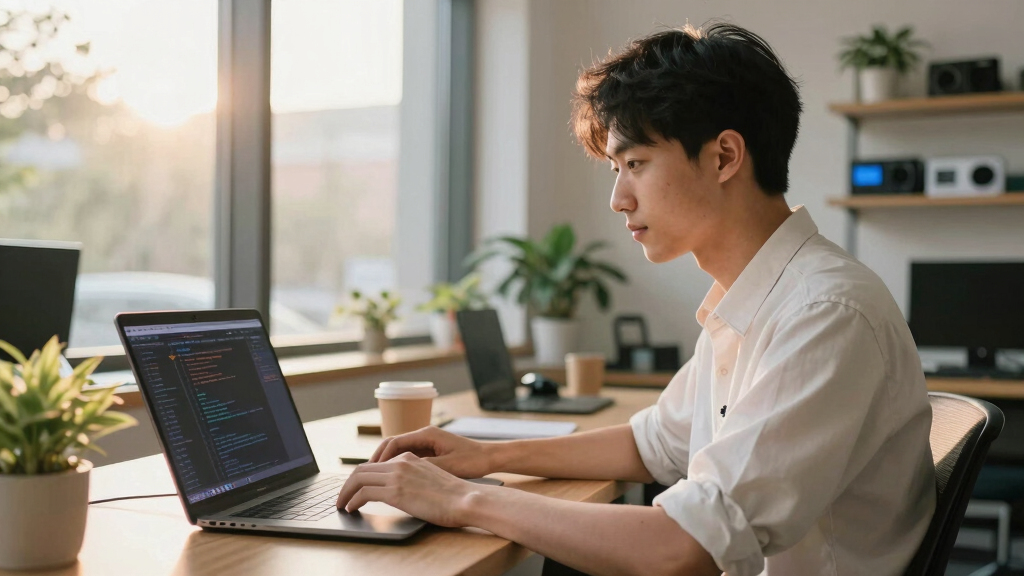
During a visit to the house in Los Altos, California, I observed that five residents, including Elvis Wu, a Shanghai native in his early 30s, live and work there. The house, known as the Facebook House, has become a gathering point for Chinese AI researchers and entrepreneurs. Wu and his collaborators have formed a nonprofit called OpenNetwork, inspired by OpenAI, to foster collaboration among Chinese talent in Silicon Valley.
Over the past two months, I spoke to more than two dozen individuals involved in this community, attending dinners, conferences, and informal gatherings. The community is characterized by high levels of optimism about AI’s potential, but also anxiety about job security and the implications of their work amid tense U.S.-China relations. Despite limited media engagement, these professionals are highly influential, often recruited by major tech firms with lucrative offers.
Why It Matters
This development underscores the increasing influence of Chinese AI talent in Silicon Valley, which could shape the future of AI innovation and competition. It also highlights how economic opportunities in AI continue to attract top Chinese researchers despite geopolitical tensions, potentially impacting global tech leadership and U.S.-China relations.
AI research laptops for developers
As an affiliate, we earn on qualifying purchases.
As an affiliate, we earn on qualifying purchases.
Background
Historically, Chinese talent has played a significant role in Silicon Valley’s tech scene, but recent years have seen a surge in highly skilled Chinese AI researchers and entrepreneurs moving to the U.S. amid a broader geopolitical backdrop of strained diplomatic ties. Stories of top researchers being poached by major firms like Meta, Apple, and OpenAI illustrate the high demand for their expertise. The house in Los Altos, once Zuckerberg’s residence, has become symbolic of this community’s growth.
“We rented this house in 2023 and created a nonprofit to foster collaboration among Chinese AI researchers. It’s about building a community that can compete globally.”
— Dawei Shi, entrepreneur involved with OpenNetwork
“This house has a storied past, but now it’s a place where Chinese AI talent can come together and innovate.”
— Unidentified resident, during house tour
Silicon Valley startup office furniture
As an affiliate, we earn on qualifying purchases.
As an affiliate, we earn on qualifying purchases.
What Remains Unclear
It remains unclear how sustained this community will be amid ongoing U.S.-China tensions, and whether these efforts will lead to long-term leadership in global AI innovation. The full scope of their projects and influence is still emerging, and the community’s future strategies are not yet defined.
As an affiliate, we earn on qualifying purchases.
What’s Next
Next steps include tracking the growth of the OpenNetwork initiative, observing potential new startups emerging from this community, and monitoring how U.S. policies may impact Chinese talent in Silicon Valley. Further interviews and events will clarify the community’s trajectory and influence.
high-performance graphics cards for AI
As an affiliate, we earn on qualifying purchases.
As an affiliate, we earn on qualifying purchases.
Key Questions
Why is there a growing Chinese AI community in Silicon Valley?
Top Chinese researchers and entrepreneurs are attracted by lucrative opportunities in AI, the vibrant startup ecosystem, and the chance to collaborate globally, despite geopolitical tensions.
How does U.S.-China relations affect this community?
Geopolitical tensions create cautiousness among members, limiting public engagement and raising concerns about visa policies, employment, and long-term stability.
What is the significance of the Facebook House in this context?
It serves as a symbolic and practical hub for the Chinese AI community in Silicon Valley, fostering collaboration and innovation among top talent.
Are these Chinese AI researchers leading the next wave of global AI innovation?
It is too early to tell, but their presence and influence are growing, and their contributions could significantly shape future AI developments.
Halloween Picks
halloween
As an affiliate, we earn on qualifying purchases.