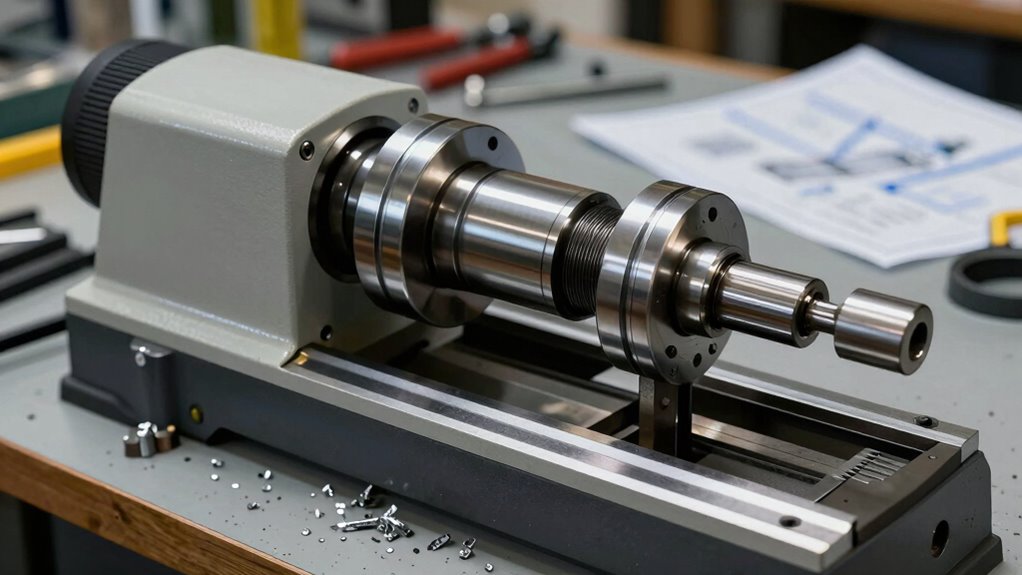

For anyone interested in precision turning, benchtop lathes offer a compact yet capable solution. The JET 12″ x 21″ Variable-Speed Woodworking Lathe stands out as the best overall choice for its power and versatility. The WEN Mini Benchtop Wood Lathe is perfect for hobbyists with limited space, thanks to its compact size. Meanwhile, the Revo 10/14 Benchtop Lathe offers advanced features like PWM motor control for more precise work. The main tradeoffs involve balancing power, size, and feature set — larger models provide more capacity but can be bulkier and pricier. Continue reading for a detailed breakdown of each option to find your ideal fit.

Get school and study supplies delivered free — and shop member deals
- Fast, free delivery on millions of items
- Access to Prime Big Deal Days deals on October 6–7
- Prime Video, Amazon Music and more included
Key Takeaways
- The top lathes balance power and precision, with larger models offering more capacity but at a higher cost.
- Compact models excel for hobbyists and small workshops but may lack the cutting power for heavy-duty tasks.
- Variable speed control is a common feature, but the quality of the motor determines smoothness and reliability.
- Build quality varies significantly, with cast iron bases providing greater stability over lighter, plastic components.
- Price ranges reflect differences in motor power, size, and included accessories — investing more generally yields better durability and performance.
| JET 12″ x 21″ Variable-Speed Woodworking Lathe, 1 HP, 115V 1Ph |  | Best Overall Benchtop Lathe for Versatility and Features | Size: 12″ x 21″ | Motor Power: 1 HP | Voltage: 115V | VIEW ON AMAZON | See Our Full Breakdown |
| Revo 10/14 Benchtop Lathe – 10 inch, 1 HP PWM Motor, Auxiliary Outlet |  | Best Value and Power for Small to Medium Projects | Size: 10 inches | Motor Power: 1 HP | Voltage: 120V | VIEW ON AMAZON | See Our Full Breakdown |
| 1.5” Spindle Bore Metal Lathe Machine with DRO, 8”x 16”, High Precision, Brushless Motor, 1.5HP, Benchtop, 0-2500 RPM, Without Stand |  | Best for Precision Metalworking in Compact Spaces | Motor Power: 1.5 HP | Spindle Bore: 1.5 inches | Swing Over Bed: 8-1/4 inches | VIEW ON AMAZON | See Our Full Breakdown |
| WEN Mini Benchtop Wood Lathe, 8-Inch by 13-Inch with Variable Speed |  | Best for Small-Scale Woodworking and Hobby Projects | Swing over bed: 8 inches | Distance between centers: 13 inches | Motor: 3.2 amps | VIEW ON AMAZON | See Our Full Breakdown |
| WEN 7-by-12-Inch Benchtop Metal Lathe, Variable Speed, Two Direction |  | Best for Metalworking Precision and Threading in a Compact Package | Swing: 7 inches | Distance Between Centers: 12 inches | Speed Range: 100-2500 RPM | VIEW ON AMAZON | See Our Full Breakdown |
| VEVOR 7×14 Metal Lathe with Digital Display, 550W |  | Best Overall Benchtop Metal Lathe for Precision Projects | Size: 7″ x 14″ | Power: 550 watts | Swing over bed: 7.09 inches | VIEW ON AMAZON | See Our Full Breakdown |
| VEVOR Metal Lathe, 8.3” x 29.5”, Benchtop, 0-2500 RPM, 750W Brushless Motor |  | Best Power and Versatility for Serious Metalworking | Size: 8.3” x 29.5” | Speed Range: 50-2500 RPM | Motor Power: 750W | VIEW ON AMAZON | See Our Full Breakdown |
| VEVOR Wood Lathe, 14 in x 40 in, 4-Speed Adjustable, 0.5 HP, 370W Power, with Chisels and Faceplate |  | Best for Small Wooden Items and Detailed Crafting | Workbench Size: 14 in x 40 in | Speed Settings: 4 adjustable speeds (885, 1245, 1715, 2425 RPM) | Motor Power: 370W | VIEW ON AMAZON | See Our Full Breakdown |
| VEVOR Woodworking Lathe, 1 HP, Benchtop Wood Lathe Machine with 150 to 3800 RPM Variable Speed, 12 x 18″ Workbench, Brushless DC Motor, Cast Iron Construction |  | Best Heavy-Duty Benchtop Wood Lathe for Hobbyists and Advanced Users | Power: 1 HP | Speed Range: 150-3800 RPM | Workbench Size: 12 x 18 inches | VIEW ON AMAZON | See Our Full Breakdown |
| Mini Wood Lathe WM101A-Plus, 24VDC 96W Power Benchtop Lathe with Tools Kit |  | Best Compact DIY Wood Lathe for Small Projects and Beginners | Power: 96W | Voltage: 24VDC | Spindle through-hole: 0.4 inches | VIEW ON AMAZON | See Our Full Breakdown |
| benchtop lathe | Motor Power | Voltage | Speed Range |
|---|---|---|---|
| JET 12" x 21" Variable-Speed W | 1 HP | 115V | — |
| Revo 10/14 Benchtop Lathe | 1 HP | 120V | — |
| 1.5” Spindle Bore Metal Lathe | 1.5 HP | — | 0-2500 RPM |
| WEN Mini Benchtop Wood Lathe | — | — | 750-3200 RPM |
| WEN 7-by-12-Inch Benchtop Meta | 4 amps | — | 100-2500 RPM |
| VEVOR 7×14 Metal Lathe with Di | — | 110 volts | 50 to 2500 rpm |
| VEVOR Metal Lathe | 750W | — | 50-2500 RPM |
| VEVOR Wood Lathe | 370W | 120 volts | — |
| VEVOR Woodworking Lathe | — | 110V | 150-3800 RPM |
| Mini Wood Lathe WM101A-Plus | — | 24VDC | — |
More Details on Our Top Picks
JET 12″ x 21″ Variable-Speed Woodworking Lathe, 1 HP, 115V 1Ph
This JET lathe stands out for its broad range of adjustable speeds, spanning from 60 to 3,600 RPM, making it suitable for a wide variety of woodworking projects—from rough turning to fine detailing. Its innovative belt tension system simplifies speed changes, unlike traditional models that require manual belt swaps, and the recessed power switch adds safety and convenience. Compared with the WEN Mini Lathe, this model offers much greater capacity and precision, but that means it’s bulkier and more complex to operate. The multiple features come with a learning curve, especially for beginners, and it requires a standard 115V outlet, limiting portability.
Pros:- Wide speed range for diverse woodworking tasks
- Innovative belt tension system for quick adjustments
- Intuitive controls with safety features
Cons:- Complex setup may overwhelm beginners
- Size and power limit portability in small workshops
Best for: Experienced woodworkers who want a versatile, feature-rich lathe for various projects.
Not ideal for: Beginners seeking a simple, straightforward machine or those with limited space due to its size.
- Size:12″ x 21″
- Motor Power:1 HP
- Voltage:115V
- Phase:1Ph
- Speed Ranges:60-900/110-1800/220-3600 RPM
- Features:Ratchet-style belt tension, recessed power switch, 24 indexing positions
Our verdict“This lathe suits skilled woodworkers looking for a highly adjustable and feature-packed machine despite its size and complexity.”
Revo 10/14 Benchtop Lathe – 10 inch, 1 HP PWM Motor, Auxiliary Outlet
The Revo 10/14 offers a robust 1 HP PWM motor, providing consistent torque across its 10-inch capacity, which makes it a reliable choice for hobbyists and small workshop users. Its durable cast-iron bed minimizes vibrations, a feature it shares with the more advanced VEVOR 8.3” x 29.5” lathe, but in a more compact form. The digital control panel simplifies speed adjustments, unlike manual models that require belt changes. However, its limited 10-inch workpiece capacity and heavier weight make it less suitable for larger projects or portable setups. Still, the inclusion of an auxiliary outlet and digital display makes it a practical, value-oriented choice for dedicated hobbyists.
Pros:- Powerful 1 HP motor ensures consistent performance
- Cast-iron bed reduces vibrations for better finish
- Digital speed display for precise control
Cons:- Limited to 10-inch workpieces
- Heavy and less portable for mobile setups
Best for: Hobbyists and small workshop users who need a reliable, powerful benchtop lathe without extensive space requirements.
Not ideal for: Users planning larger projects or needing portability, due to its limited capacity and weight.
- Size:10 inches
- Motor Power:1 HP
- Voltage:120V
- Control:Electronic variable-speed
- Features:Auxiliary outlet, digital speed display
- Construction:Cast iron
Our verdict“This model makes sense for hobbyists who want a powerful, durable lathe with digital controls in a compact form.”
1.5” Spindle Bore Metal Lathe Machine with DRO, 8”x 16”, High Precision, Brushless Motor, 1.5HP, Benchtop, 0-2500 RPM, Without Stand
This metal lathe excels with its high-precision capabilities and digital readout, making it ideal for small-scale machining tasks. Its 1.5 HP brushless motor delivers smooth, consistent power, especially compared to basic models that may struggle with tougher metals. The DRO provides real-time measurement, which is a significant advantage over non-digital counterparts like the WEN 7-by-12 lathe, particularly for detailed work. Its 8×16 inch size balances capacity with a compact footprint, but the absence of a stand means extra setup is needed. The limited threading info and unspecified weight could be hurdles for beginners or those needing portability.
Pros:- High torque with 1.5 HP brushless motor
- Digital readout for accurate measurements
- Compact size suitable for small workshops
Cons:- No stand included, requiring additional purchase
- Limited info on threading and weight for setup planning
Best for: Experienced metalworkers and hobbyists focused on precision and detailed work in limited space.
Not ideal for: Beginners or users needing a stand and extensive threading options, as those features are not included.
- Motor Power:1.5 HP
- Spindle Bore:1.5 inches
- Swing Over Bed:8-1/4 inches
- Distance Between Centers:15-3/4 inches
- Speed Range:0-2500 RPM
- Features:Digital readout, MT#5 taper
Our verdict“This lathe is well-suited for users prioritizing precision and digital measurement, though it demands extra setup effort.”
WEN Mini Benchtop Wood Lathe, 8-Inch by 13-Inch with Variable Speed
The WEN Mini lathe is tailored for hobbyists working on small projects like pens and bowls, thanks to its 8-inch swing and 13-inch centers. Its variable speed from 750 to 3,200 RPM offers enough flexibility for detailed turning, but the 3.2-amp motor limits its ability with larger or denser woods. It’s straightforward to operate compared to more complex models like the Jet 12-inch lathe, making it ideal for beginners or those with limited space. However, its small capacity and modest power mean it isn’t suited for larger or more demanding projects, and its size might be a drawback for users seeking more versatility.
Pros:- Compact and easy to use for small projects
- Variable speed control for precision
- Includes useful accessories and a two-year warranty
Cons:- Limited capacity for larger or heavy-duty projects
- Motor power may restrict working with tough materials
Best for: Beginners and hobbyists focusing on small woodworking projects in tight spaces.
Not ideal for: Experienced woodworkers or those needing to turn larger, more complex pieces due to size and power limitations.
- Swing over bed:8 inches
- Distance between centers:13 inches
- Motor:3.2 amps
- Speed range:750-3200 RPM
- Face plate size:2.3 inches
- Taper:MT1
Our verdict“This mini lathe makes sense for hobbyists starting out or working on small woodturning projects in limited space.”
WEN 7-by-12-Inch Benchtop Metal Lathe, Variable Speed, Two Direction
The WEN 7-by-12 lathe is designed for turning small metal parts, offering a variable speed range from 100 to 2,500 RPM and a threading dial indicator that appeals to hobbyists and small-scale professionals alike. Its 4-amp motor provides ample power for aluminum, brass, and steel, making it more capable than basic models like the VEVOR 7×14. The inclusion of multiple work-holding options increases versatility, but its weight of nearly 80 pounds means it needs a sturdy setup and isn’t portable. Its threading capabilities add a layer of complexity, which might challenge beginners, but it’s an excellent choice for precision projects requiring detailed screw cutting.
Pros:- Variable speed from 100 to 2500 RPM for control
- Threading dial indicator for accurate screw cutting
- Multiple tool-holding options for versatility
Cons:- Heavy weight requires a sturdy workspace
- Limited to small metal projects, not suitable for woodworking
Best for: Metalworking hobbyists or small shop users who need precision threading and variable speed control.
Not ideal for: Woodworkers or users seeking a machine for large or heavy-duty metal projects, due to its limited capacity and weight.
- Swing:7 inches
- Distance Between Centers:12 inches
- Speed Range:100-2500 RPM
- Threading Range:12 to 52 TPI
- Motor Power:4 amps
- Weight:79.4 pounds
Our verdict“This lathe excels for precise metalwork and threading, especially in smaller-scale projects where control matters most.”
VEVOR 7×14 Metal Lathe with Digital Display, 550W
This VEVOR 7×14 model stands out for its balance of size, power, and precision, making it ideal for hobbyists and small-scale professionals. Its digital speed display and robust metal gear set offer more accurate control than the WEN Mini Lathe, yet it remains compact enough for a typical benchtop. The large capacity supports medium projects, but its 103-pound weight can make repositioning cumbersome, especially for those with limited workspace. Compared to the smaller WEN 8-Inch Model, this lathe provides a higher level of control and durability, though it requires some assembly and setup. Its safety features and automatic shutoff add peace of mind during use. Overall, this model suits those seeking reliable precision without industrial size, but it’s not suitable for heavy-duty manufacturing or frequent repositioning.
Pros:- High-precision digital speed control for accurate machining
- Robust metal gear and durable construction ensure longevity
- Includes safety features like automatic power-off for safer operation
Cons:- Heavy weight makes it difficult to move or reposition
- Limited to small and medium projects, not industrial-scale work
Best for: Hobbyist or small professional maker needing precise, medium-sized metalworking projects
Not ideal for: Users requiring a lightweight, portable lathe or heavy industrial tasks that demand higher power
- Size:7″ x 14″
- Power:550 watts
- Swing over bed:7.09 inches
- Center distance:13.78 inches
- Chuck size:4 inches
- Speed range:50 to 2500 rpm
- Material:Metal
- Voltage:110 volts
- Weight:103 pounds
Our verdict“This lathe offers a great mix of precision and capacity for hobbyists and small shops but isn’t suited for heavy-duty applications.”
VEVOR Metal Lathe, 8.3” x 29.5”, Benchtop, 0-2500 RPM, 750W Brushless Motor
This VEVOR model excels for users who need more power and versatility than typical small lathes like the WEN 8-Inch. Its 750W brushless motor and wide threading options (24 types) make it suitable for more complex and precise machining tasks. The digital LCD display provides clear feedback, aiding in accurate speed adjustments, but this complexity can be intimidating for newcomers compared to simpler models. Its longer bed length of nearly 30 inches increases capacity for larger projects, yet its benchtop design limits it to workshop environments rather than industrial settings. Despite its robust cast iron construction and safety features like overload protection, the higher price and learning curve may deter casual hobbyists. This lathe makes the most sense for experienced users or small workshops requiring greater power and threading options, but it may be overkill for beginners or occasional DIYers.
Pros:- Powerful 750W brushless motor enables efficient, precise machining
- Wide range of threading options for diverse projects
- Digital LCD display enhances control and accuracy
Cons:- More complex operation might challenge beginners
- Limited to benchtop use, not suitable for heavy industrial tasks
Best for: Experienced hobbyists or small-scale professional machinists needing power, precision, and threading versatility
Not ideal for: Beginners or users needing a lightweight, portable lathe for occasional use
- Size:8.3” x 29.5”
- Speed Range:50-2500 RPM
- Motor Power:750W
- Material:HT200 cast iron
- Threading Capabilities:24 types (14 metric, 10 imperial)
Our verdict“This lathe offers industrial-level power and versatility for skilled users, but its complexity and price make it less ideal for casual hobbyists.”
VEVOR Wood Lathe, 14 in x 40 in, 4-Speed Adjustable, 0.5 HP, 370W Power, with Chisels and Faceplate
This VEVOR wood lathe is tailored for those focused on small wooden projects like pens, bowls, or chess pieces. Its sturdy aluminum alloy base offers stability, reducing vibrations during detailed work. The four adjustable speeds extend the range of possible projects, from rough turning at lower speeds to fine finishing at higher RPMs. Its 50.6-pound weight and moderate size make it portable enough for most workshops, but it’s limited to small items and not suitable for larger woodworking projects. Compared to the more powerful B0FH45FQDB, this model is simpler and less versatile for advanced woodworking but easier to operate for hobbyists or beginners.
Pros:- Adjustable speeds for varied woodworking tasks
- Sturdy construction minimizes vibrations
- Includes a comprehensive set of accessories for immediate use
Cons:- Customer reviews are mixed, indicating inconsistent quality or experience
- Limited to small projects, not for large woodworking tasks
Best for: Woodworking hobbyists focusing on small projects or detailed craftsmanship
Not ideal for: Users wanting to turn large pieces or do heavy-duty woodworking
- Workbench Size:14 in x 40 in
- Speed Settings:4 adjustable speeds (885, 1245, 1715, 2425 RPM)
- Motor Power:370W
- Material:aluminum alloy, steel
- Weight:50.6 pounds
- Voltage:120 volts
Our verdict“This lathe suits hobbyists working on small-scale wooden projects but may not meet the needs of those pursuing large or complex woodturning tasks.”
VEVOR Woodworking Lathe, 1 HP, Benchtop Wood Lathe Machine with 150 to 3800 RPM Variable Speed, 12 x 18″ Workbench, Brushless DC Motor, Cast Iron Construction
This VEVOR woodworking lathe provides a significant power upgrade over smaller models like the B0CW5LLB2R, with a 1 HP brushless motor and a broad speed range up to 3800 RPM, making it ideal for turning larger bowls or detailed carvings. Its cast iron construction ensures stability during demanding projects, and the variable speed control offers precise adjustments. The 12 x 18-inch workbench size supports larger wooden pieces, but the 62.7-pound weight and overall size mean it’s best suited for a dedicated workshop space. While its advanced features and durability appeal to serious hobbyists and small professional setups, the higher cost and weight may not appeal to infrequent or casual woodturners. Compared to the smaller, less powerful models, this lathe offers more capability but requires a more substantial workspace and familiarity with woodworking tools.
Pros:- Powerful 1 HP motor supports larger and more complex projects
- Broad RPM range for versatile turning and carving
- Cast iron construction provides excellent stability and durability
Cons:- Heavy and large, requiring dedicated space and effort to move
- Higher price point, less accessible for casual users
Best for: Experienced hobbyists or small professional woodturners needing power, stability, and larger capacity
Not ideal for: Beginners or casual DIYers with limited workspace or infrequent project needs
- Power:1 HP
- Speed Range:150-3800 RPM
- Workbench Size:12 x 18 inches
- Material:Cast iron
- Voltage:110V
- Item Weight:62.7 pounds
Our verdict“This lathe delivers professional-grade features for serious woodworkers but demands a stable workspace and investment.”
Mini Wood Lathe WM101A-Plus, 24VDC 96W Power Benchtop Lathe with Tools Kit
The WM101A-Plus mini lathe is tailored for casual DIYers and beginners interested in small woodworking tasks like pens and small ornaments. Its sturdy steel construction ensures minimal vibrations, and the infinitely variable speed control allows for fine tuning during delicate work. The included tools kit adds value for those just starting out, but the small processing range (3 inches diameter, 8 inches length) limits projects significantly. Compared to larger models like the B0FH45FQDB, it’s much easier to set up and move around, but it’s not suitable for larger or more demanding projects. The absence of a digital readout may be a drawback for those seeking precise, repeatable speeds. Overall, this model is best for hobbyists or casual woodworkers focusing on small, detailed projects, though it’s less suitable for serious or large-scale work.
Pros:- Sturdy steel construction reduces vibrations and noise
- Infinitely variable speed control supports detailed work
- Complete accessories set for immediate use
Cons:- Limited to small projects, not suitable for large pieces
- No digital speed readout, less precise control
Best for: Beginners or hobbyists working on small wooden projects requiring portability and simplicity
Not ideal for: Users aiming for larger projects or professional-grade woodturning
- Power:96W
- Voltage:24VDC
- Spindle through-hole:0.4 inches
- Processing range:3 inches diameter, 8 inches length
- Weight:17.03 pounds
- Included components:Lathe body, tools kit, 2-inch chuck, drive and live centers
Our verdict“This compact lathe is perfect for beginners and small projects but not for those needing larger capacity or advanced features.”

How We Picked
I evaluated benchtop lathes based on several key criteria: motor power and speed range, build quality and stability, ease of use and adjustability, included features and accessories, and overall value for the price. Priority was given to models that balance performance with user-friendly controls, making them suitable for both hobbyists and more serious craftsmen. I also compared customer reviews and durability reports to identify common issues and long-term reliability. The ranking reflects a combination of these factors, emphasizing versatility and quality for typical benchtop applications.Factors to Consider When Choosing Benchtop Lathes
Choosing the right benchtop lathe involves understanding how your intended projects influence what features matter most. Beyond basic size and motor power, other factors like speed control, build quality, and accessories can greatly impact your experience and results. Making the wrong choice might mean sacrificing precision, durability, or even safety, so it’s worth considering these broader aspects carefully.Motor Power and Speed Range
Power determines how much material your lathe can handle comfortably, especially for metalworking or large wood projects. A more powerful motor—typically 1 HP or more—offers greater torque and less strain during demanding tasks. The speed range is equally important, as different materials and projects require various RPM settings. Variable speed models provide flexibility, but the quality of the motor influences how smoothly speeds change and how reliably they are maintained over time.
Build Quality and Stability
Durability and precision depend heavily on construction materials. Cast iron bases and components provide superior stability, reducing vibrations that can compromise accuracy. Cheaper models with plastic or lightweight frames may wobble during operation, affecting finish quality. Consider the weight and overall construction of the lathe, especially if you plan to work on high-precision projects or use it frequently. A stable machine reduces user fatigue and enhances safety as well.
Size and Capacity
Benchtop lathes come in various sizes, from compact models suitable for hobbyists to larger units capable of handling bigger projects. Think about the maximum swing and spindle bore, which determine the size of workpieces you can turn. Smaller models are more portable and easier to store but limit what you can create. Larger models offer more capacity but require more space and may be more difficult to transport or set up. Match the size to your typical project scope for the best fit.
Ease of Use and Adjustability
Features like intuitive controls, clear dials, and smooth adjustments make a big difference, especially for beginners. Look for models with straightforward speed controls and accessible tool rests, which help maintain precision. Adjustable components, such as tailstocks and tool rests, should lock securely without slipping. Some advanced models include digital readouts or programmable settings, which can improve accuracy but might introduce complexity for new users.
Accessories and Included Features
Many benchtop lathes come with chucks, faceplates, and chisels, but the quality and quantity vary. Consider whether additional accessories are included or if you’ll need to purchase them separately. Better-equipped models can save money and time, especially for beginners. However, avoid overly complex machines that come with numerous attachments you might never use; focus on features that enhance your typical projects.
Frequently Asked Questions
Can I use a benchtop lathe for metal and woodworking projects?
Yes, some benchtop lathes are designed for both metal and wood, but most models are optimized for one or the other. Multi-purpose lathes exist, but their performance may be compromised for specialized tasks. It’s important to select a machine with the appropriate specifications—such as spindle speed and motor power—for your primary material to achieve the best results and maintain safety.
How much workspace do I need for a benchtop lathe?
The required space depends on the size of the lathe and your workspace constraints. Smaller models typically need around 2-3 feet of clearance in width and depth, while larger units may require more room for operation and safety margins. Always consider room for accessories, tool storage, and ease of access to controls, ensuring you have enough space to work comfortably and safely.
Is a digital readout necessary for a benchtop lathe?
A digital readout can improve precision and make adjustments easier, especially for complex or detailed projects. However, for hobbyists or occasional use, manual controls often suffice and keep costs lower. If you plan to do highly precise work regularly, investing in a model with digital features can save time and reduce errors, but it’s not strictly essential for all users.
What safety features should I look for in a benchtop lathe?
Look for emergency stop buttons, protective shields, and secure tool rests. Good safety features prevent accidental injuries and ensure safe operation, particularly when working with high speeds or heavy materials. Stable bases and vibration dampening also contribute to safer use by maintaining control during operation. Always follow manufacturer instructions and wear appropriate protective gear regardless of features.
When should I consider investing in a premium benchtop lathe?
If you frequently work on large or complex projects, or require high precision and durability, a premium model is worth the extra investment. These lathes often feature more powerful motors, better build quality, and advanced controls, which can improve your workflow and results over time. For casual or beginner use, however, a more affordable model typically provides sufficient performance without the higher cost.
Conclusion
For casual hobbyists or those with limited space, the WEN Mini Benchtop Wood Lathe offers an approachable entry point with adequate features. Serious woodworkers or metalworkers should consider the JET 12″ x 21″ Variable-Speed Woodworking Lathe for its power and versatility. Beginners aiming to learn the craft will benefit from models with straightforward controls and good build quality, like the VEVOR 7×14 Metal Lathe. Those working on larger projects or needing professional-grade precision should look toward premium options with advanced features. Ultimately, your choice depends on your project scope, budget, and experience level, but this list provides a solid starting point for every buyer.
Fall Picks
fall essentials
As an affiliate, we earn on qualifying purchases.