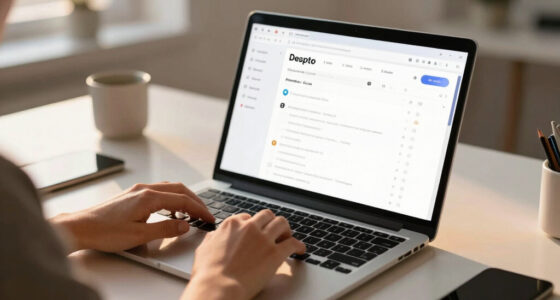

📊 Full opportunity report: Managing Voice Talent Rights in the Growing AI Marketplace on IdeaNavigator AI — validation score, market gap, and execution plan.
Play games included with Prime
Start a Prime free trial and play with Amazon Luna on your devices.
Start playingAs an affiliate, we earn on qualifying purchases.
TL;DR
A new licensing hub for voice actors’ AI voice clones is in testing, aiming to simplify rights management, enforce usage terms, and improve payments. The development responds to growing AI voice market demands and legal concerns.
A licensing platform for voice actors to manage rights and payments for their AI voice clones is being tested, marking a significant step toward structured rights management in the AI voice marketplace. This development addresses the lack of standardized licensing procedures amid increasing commercial use of synthetic voices.
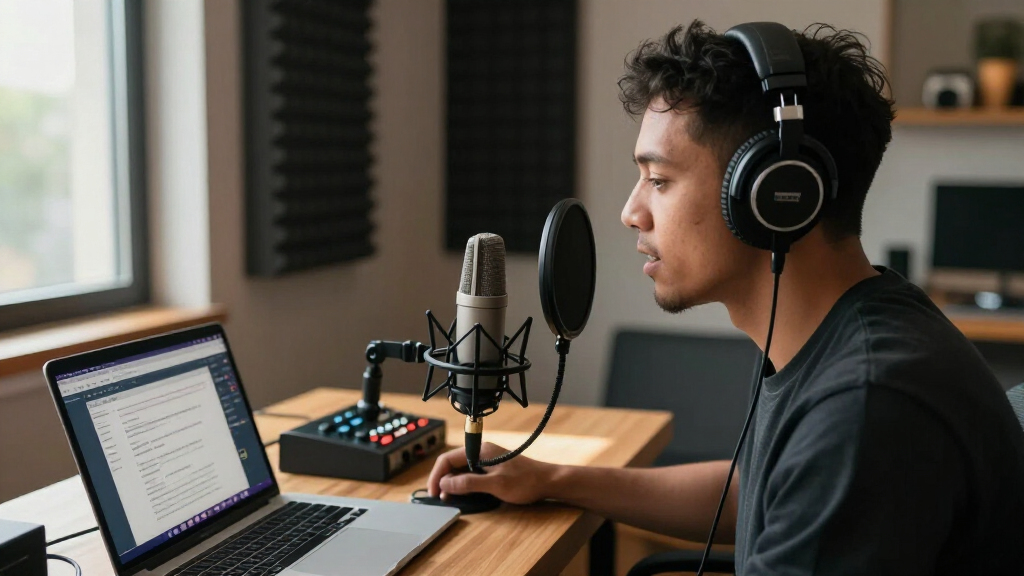
The platform, designed specifically for professional voice actors, enables creators to set detailed licensing terms, including permitted use cases, banned categories, and project-specific rates. Buyers can submit project requests for quick approval or rejection, with all transactions logged for transparency and enforceability.
According to IdeaNavigator AI, this initiative is a response to the growing viability of AI voice cloning and recent legal and union attention to consent, scope, and compensation issues. The platform aims to reduce ad hoc licensing via email, providing a formal, auditable workflow.
Legal and Commercial Impact of Structured Licensing
This development matters because it introduces a scalable, transparent method for voice actors to control and monetize their AI voice clones. It addresses legal concerns about consent and scope, and offers a practical solution to the industry’s need for enforceable licensing agreements. If successful, it could set a new standard for rights management in AI voice markets, influencing industry practices and legal frameworks.
As an affiliate, we earn on qualifying purchases.
Growing AI Voice Market and Legal Challenges
The commercial viability of AI voice cloning has increased sharply, with many voice actors now creating AI clones for various projects. However, current licensing remains informal, often relying on email agreements that lack enforceability. Recent union statements and legal discussions highlight the need for formalized rights management, emphasizing consent, scope, and fair compensation. The proposed platform aims to fill this gap by providing a structured workflow for licensing and project approval.
“This licensing hub could significantly improve transparency and enforceability for voice actors licensing their AI clones.”
— an anonymous researcher
AI voice cloning rights management platform
As an affiliate, we earn on qualifying purchases.
As an affiliate, we earn on qualifying purchases.
Unresolved Questions About Platform Adoption
It is still unclear how widely voice actors will adopt this licensing platform, whether it will fully address all legal complexities, and how buyers will respond to the streamlined approval process. The effectiveness of the system in real-world scenarios remains to be tested through pilot projects.
voice talent rights management tools
As an affiliate, we earn on qualifying purchases.
As an affiliate, we earn on qualifying purchases.
Next Steps for Validation and Industry Adoption
The platform is currently in testing with ten voice actors, involving five real project requests routed through the approval flow. The next steps include evaluating user feedback, refining the licensing interface, and expanding the pilot to additional voice talents and clients. Successful validation could lead to broader industry adoption and influence future licensing standards.
voice actor project approval system
As an affiliate, we earn on qualifying purchases.
As an affiliate, we earn on qualifying purchases.
Key Questions
How will this platform improve licensing for voice actors?
It provides a formal, auditable workflow where voice actors can specify licensing terms, approve projects quickly, and track payments, reducing reliance on informal email agreements.
What legal issues does this platform address?
It aims to clarify consent, scope, and compensation, helping voice actors protect their rights and ensure proper remuneration for AI voice use.
Will this platform be available to all voice actors?
The current testing is limited to a small group, but if successful, the platform could be expanded to serve a broader industry audience.
How does the platform generate revenue?
It plans to take a percentage commission on each approved licensing transaction.
What challenges might the platform face in industry adoption?
Potential challenges include convincing voice actors and clients to shift from informal licensing, addressing legal complexities, and integrating with existing workflows.
Source: IdeaNavigator AI
NFL season / tailgating Picks
team gear
As an affiliate, we earn on qualifying purchases.