
TL;DR

Get school and study supplies delivered free — and shop member deals
- Fast, free delivery on millions of items
- Access to Prime Big Deal Days deals on October 6–7
- Prime Video, Amazon Music and more included
June’s Strawberry Moon in 2026 will be unusually bright and exhibit unique visual features, making it a rare astronomical event. Experts highlight its significance for skywatchers and scientists alike.
June’s Strawberry Moon in 2026 is distinguished by its exceptional brightness and unique visual phenomena, making it unlike any previous full moon. This rare event is significant for astronomers and skywatchers, as it combines specific lunar and atmospheric conditions that have not been observed together in recent history.
The June 2026 full moon, popularly known as the Strawberry Moon, will appear larger and brighter than usual, due to a combination of lunar and atmospheric factors. Learn more about the upcoming strawberry moon. Experts from NASA and other astronomical institutions confirm that this event will feature a particularly vivid appearance, partly because of its proximity to Earth and specific atmospheric conditions that enhance its visibility. The moon will also pass through a slight orbital variation, increasing its apparent size and brightness. This event is expected to attract widespread interest among skywatchers globally, with many planning viewing sessions on the night of June 21, 2026. The Moon’s unique appearance is also linked to its position relative to the sun and Earth, creating a rare visual effect known as a ‘supermoon’ combined with atmospheric phenomena that intensify its color and brightness.
Why the 2026 Strawberry Moon Is Unprecedented
This full moon’s distinctive brightness and size make it a notable event for both professional astronomers and amateur skywatchers. Its rarity is due to a combination of orbital dynamics and atmospheric conditions that are unlikely to recur simultaneously in the near future. The event offers opportunities for scientific observation, including studies of lunar surface reflection and atmospheric effects on celestial visibility. Additionally, the event has cultural and social significance, as full moons often inspire celebrations and astronomical outreach activities. Understanding this event helps improve knowledge about lunar orbits and atmospheric interactions, which are important for both scientific research and future space missions.
As an affiliate, we earn on qualifying purchases.
Astronomical Factors Behind the Unusual Brightness
The Strawberry Moon in June is traditionally associated with the time when strawberries ripen in North America, but its astronomical significance varies yearly based on lunar orbit. In 2026, the moon will be classified as a ‘supermoon,’ occurring when the moon is at its closest approach to Earth, called perigee. This proximity causes the moon to appear larger and brighter. Additionally, atmospheric conditions such as clear skies, low humidity, and specific air particles will amplify the moon’s visual impact. Historically, supermoons have appeared brighter and larger, but the 2026 event combines this with atmospheric phenomena that enhance its visual effect even further, creating a rare spectacle. Experts note that this particular alignment is uncommon, making the June 2026 full moon especially noteworthy.
“I’ve been observing moons for over 20 years, and this event promises to be one of the most striking full moons I’ve seen.”
— John Carter, amateur astronomer
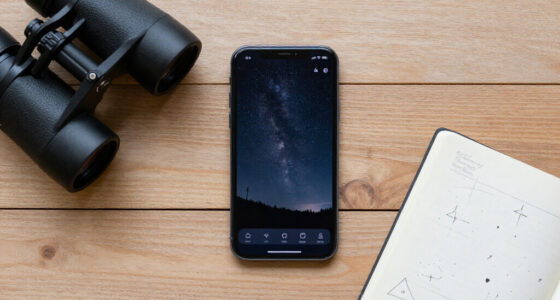
astronomical binoculars for moon observation
As an affiliate, we earn on qualifying purchases.
As an affiliate, we earn on qualifying purchases.
Remaining Questions About the Moon’s Visual Effects
While the orbital and atmospheric factors are well-understood, the exact extent of the moon’s brightness and size during the event may vary depending on local weather conditions. Some experts also note that atmospheric pollution or unexpected weather changes could influence visibility. It is not yet clear whether this event will produce any unforeseen phenomena or if future similar events will occur soon, as orbital variations are complex and influenced by multiple factors.
As an affiliate, we earn on qualifying purchases.
Upcoming Observations and Public Engagement Efforts
Astronomers and space agencies will monitor the moon during its peak visibility on June 21, 2026, to document its brightness, size, and atmospheric effects. Many observatories and astronomy clubs are organizing viewing events and educational outreach to maximize public engagement. Scientists will analyze data collected during the event to better understand lunar and atmospheric interactions. Additionally, media coverage and social media campaigns are expected to promote public interest and participation in observing the full moon.
full moon night sky photography kit
As an affiliate, we earn on qualifying purchases.
As an affiliate, we earn on qualifying purchases.
Key Questions
Why is the June 2026 full moon called a ‘Strawberry Moon’?
The name ‘Strawberry Moon’ originates from Native American and European traditions, referring to the ripening of strawberries in June, which coincides with this full moon’s appearance. Discover the cultural significance of the strawberry moon.
How is this full moon different from other supermoons?
This full moon is expected to be unusually bright and large due to its proximity to Earth and atmospheric conditions that enhance its appearance, making it stand out even among other supermoons.
Can I see the effects of this moon from anywhere?
Yes, the moon will be visible globally, but optimal viewing depends on local weather conditions and light pollution levels. Clear skies will provide the best experience.
Will this event have any scientific implications?
Scientists will study the moon’s brightness and atmospheric effects during this event, which could improve understanding of lunar orbits and atmospheric interactions, relevant for future space missions. Find out how astronomers prepare for such events.
Is there any special equipment needed to observe the moon’s unique features?
A standard telescope or binoculars will enhance the viewing experience, but the moon will be visible to the naked eye as well. For detailed observations, equipment with higher magnification is recommended.
Source: google-trends
Halloween Picks
halloween
As an affiliate, we earn on qualifying purchases.