
📊 Full opportunity report: Acoustic Dampening, Placement, and the “Rig in the Closet” Setup on ThorstenMeyerAI.com — validation score, market gap, and execution plan.
TL;DR
Moving your rig into a closet can significantly reduce noise and reflections. Proper placement, sealing gaps, and ventilation are key to creating a quiet, effective workspace. This guide clarifies best practices and common pitfalls.
Moving high-performance computer rigs into a closet or another room is confirmed as the most effective way to reduce noise and reflections, according to industry experts. This approach, combined with strategic placement and sealing, can transform a noisy setup into a quiet, professional-quality workspace, addressing common issues with echo and heat buildup. For more detailed guidance, see the original analysis on acoustic dampening, placement, and the “rig in the closet” setup.
Experts emphasize that relocating a rig into a closet drastically cuts noise levels and sound reflections, often more effectively than adding foam treatments alone. Proper placement involves positioning equipment away from reflective surfaces and treating reflection points behind the mic, side walls, and ceiling with absorption materials such as foam panels, blankets, or rugs. For comprehensive insights, see acoustic dampening, placement, and the “rig in the closet” setup. Sealing gaps around doors and walls enhances sound isolation by preventing leaks and echoes. Heat management is critical; installing ventilation like exhaust fans or ducted airflow prevents overheating in enclosed spaces, ensuring hardware longevity. Using DIY materials like blankets and foam strategically can improve acoustics, but they must be applied thoughtfully to avoid deadening the room or creating unnatural sound.
Acoustic dampening
& the rig in the closet.
The most powerful noise fix isn’t a material — it’s a floor plan. A rig you can’t hear because it’s in another room beats any amount of foam. Tap the approaches in Part 1 to see what actually works.
(another room)
(levers 1–4)
(door / barrier)
(acoustic foam)
Contain the noise, not the heat
Why Proper Closet Rig Setup Impacts Audio Quality and Hardware Longevity
This setup matters because it enables users to achieve near-professional audio quality in small or shared spaces while protecting hardware from overheating. Effective dampening reduces echo and improves clarity in recordings or AI processing, saving time in editing and enhancing overall output. Proper heat management prevents hardware damage, extending the lifespan of expensive equipment. As more creators and developers adopt compact, dedicated workspaces, understanding these strategies becomes essential for efficient, quiet operation.
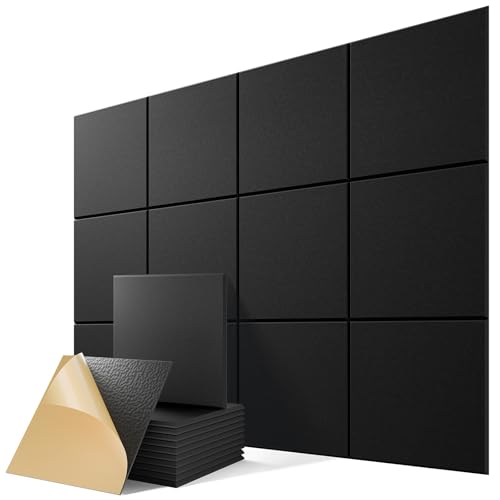
12 Pack Self-Adhesive Acoustic Panels, 12" X 12" X 0.4" High-Density Sound Proof Foam Panels for Walls, Soundproof Wall Panels for Home & Office (Black)
Superior Noise Reduction & Echo Cancellation - Tired of background noise and poor acoustics? Our soundproof wall panels...
As an affiliate, we earn on qualifying purchases.
As an affiliate, we earn on qualifying purchases.
The Evolution of Closet Rigs and Acoustic Strategies
Using closets as dedicated workspaces for high-powered rigs has gained popularity among content creators, AI researchers, and gamers seeking noise reduction without sacrificing performance. This trend is discussed in detail in the related article on acoustic strategies. Industry guidance increasingly emphasizes that relocating equipment into a separate room or closet provides more substantial noise mitigation than foam alone. Historically, many users experienced echo and heat issues when placing rigs in small, enclosed spaces. Recent expert advice underscores the importance of strategic placement, sealing, and ventilation—these practices are now considered best-in-class for small-space setups. Prior to this, many relied solely on foam or blankets, often resulting in muffled or echoey sound. Modern approaches integrate these materials with proper airflow management to optimize both acoustics and hardware safety.
"Relocating your rig into a closet or another room is the most effective way to drastically cut noise and reflections, especially when combined with proper placement and sealing."
— Thorsten Meyer, acoustic expert

Easy Cloud Computer Fan with AC Plug, 120mm Variable Speed Axial Muffin PC Fan with Controller 120V 110V 220V Small 12V Case Cooling for PC Server Cabinet DVR TV Router Receiver Xbox Greenhouse
【Speed Controllable】Easy Cloud axial fan 120v allows you to freely adjust the computer cooling fan speed according to...
As an affiliate, we earn on qualifying purchases.
As an affiliate, we earn on qualifying purchases.
Remaining Questions About Long-Term Durability and Acoustic Balance
While relocating rigs into closets and employing basic acoustic treatments is proven effective, questions remain about long-term effects on hardware durability, optimal treatment coverage levels, and the best balance between sound deadening and natural acoustics. Additionally, the effectiveness of DIY materials versus professional solutions varies depending on space and equipment. More empirical data is needed to establish precise guidelines for different setups and room sizes.

Focusound 52 Pack Acoustic Foam Panels 1" x 12" x 12" Sound Proof Foam Panles Soundproofing Noise Cancelling Wedge Panels for Home Office Recoding Studio with 300PCS Double-Side Adhesive
Soundproofing - Acoustic foam panels triangular grooves structure for better noise absorption, helps to reduce and absorb unwanted...
As an affiliate, we earn on qualifying purchases.
As an affiliate, we earn on qualifying purchases.
Next Steps for Optimizing Closet Rigs and Acoustic Treatments
Future developments include detailed studies on airflow dynamics in small enclosed spaces, innovations in affordable acoustic materials, and integrated cooling solutions tailored for closet setups. Users should monitor ongoing research and expert updates to refine their setups. Practical experiments with different materials and configurations can help users customize their environments for optimal noise reduction and hardware safety. Additionally, manufacturers may release specialized enclosures or ventilation systems designed specifically for closet rigs in the near future.

HomeProtect Door Draft Stopper 36 Inch Under Door Draft Blocker Door Sweep for Bottom of Door Reduce Cold Air, Soundproof, Light, Odor, Weather Stripping Door Seal Strip Fit for Interior/Exterior
[Affordable]Single-side door draft stoppers are generally less expensive than double door draft stoppers. Our door draft stopper is...
As an affiliate, we earn on qualifying purchases.
As an affiliate, we earn on qualifying purchases.
Key Questions
Can I completely soundproof a closet for my rig?
Complete soundproofing is difficult and usually requires extensive modifications, including sealing all gaps and adding dense barriers. For most users, focus on dampening reflections and sealing gaps for effective noise reduction rather than total soundproofing.
What materials are best for acoustic treatment in a closet?
Effective materials include foam panels, blankets, rugs, and bass traps. Covering reflection points and corners helps control echoes and low-frequency buildup. Use dense, thick panels for bass trapping and softer materials for general absorption.
How can I prevent overheating in a closet rig?
Install ventilation such as exhaust fans or ducted airflow systems. Position intake fans at the bottom and exhaust at the top to create a gentle airflow. Using a dedicated cooling enclosure or ducted cooling systems can also help maintain safe temperatures.
How much acoustic treatment do I need in a small closet?
About 20-30% wall coverage with absorption panels is generally effective. Focus on reflection points, the door, and corners for bass trapping. Over-treating can deaden the space, so tailor treatments to your specific room acoustics.
Source: ThorstenMeyerAI.com