
TL;DR
Georgia Republican legislative leaders have rejected Governor Kemp’s proposal to redraw districts for the 2028 election, citing legal uncertainties and concerns about minority voting rights. Civil rights advocates celebrated this move as a victory for voting rights protections.
Georgia’s Republican legislative leaders announced they will not consider redistricting during a special session called by Governor Brian Kemp, citing concerns over legal ramifications and the impact on minority voters.
During a special legislative session on Wednesday, Georgia Republicans rejected Governor Kemp’s request to redraw congressional and legislative districts for the 2028 election. State House Speaker Jon Burns publicly stated that lawmakers prefer to delay redistricting until more clarity emerges from ongoing litigation and Supreme Court rulings, particularly following the Louisiana v. Callais decision.
This decision comes amid protests and civil rights activism at the Georgia Capitol, where demonstrators chanted slogans like ‘Black voters matter!’ and expressed opposition to any redistricting efforts that could diminish minority voting power. Civil rights leaders and Democratic officials, including U.S. Senator Raphael Warnock, celebrated the outcome, framing it as a victory for voting rights and democratic representation.
Governor Kemp had not requested immediate redistricting for the 2024 elections but aimed to initiate the process for 2028. His proposal also involved redrawing district boundaries for state legislative seats, which he believed could be influenced by the recent Supreme Court ruling that limited the use of race in redistricting. However, Republican leaders expressed concern that rushing the process could lead to legal challenges and political backlash, especially over the potential reduction of districts with majority or significant minority populations.
Privately, some GOP officials feared that hastily redrawing districts might create more competitive districts favoring Democrats or inadvertently reduce Black and other minority voters’ influence, particularly around Atlanta. They emphasized the importance of waiting until pending litigation clarifies the legal landscape before proceeding.
Implications for Georgia’s Voting Rights and Redistricting Strategy
This development is significant because it signals a pause in Republican efforts to redraw districts in Georgia, potentially preserving minority representation amid legal and political uncertainties. Civil rights advocates see this as a victory for protecting voting rights, especially after the Supreme Court’s Louisiana v. Callais decision, which limits race-based redistricting. The decision also indicates a cautious approach by Georgia Republicans, possibly affecting future redistricting plans and political dynamics ahead of the 2028 elections.
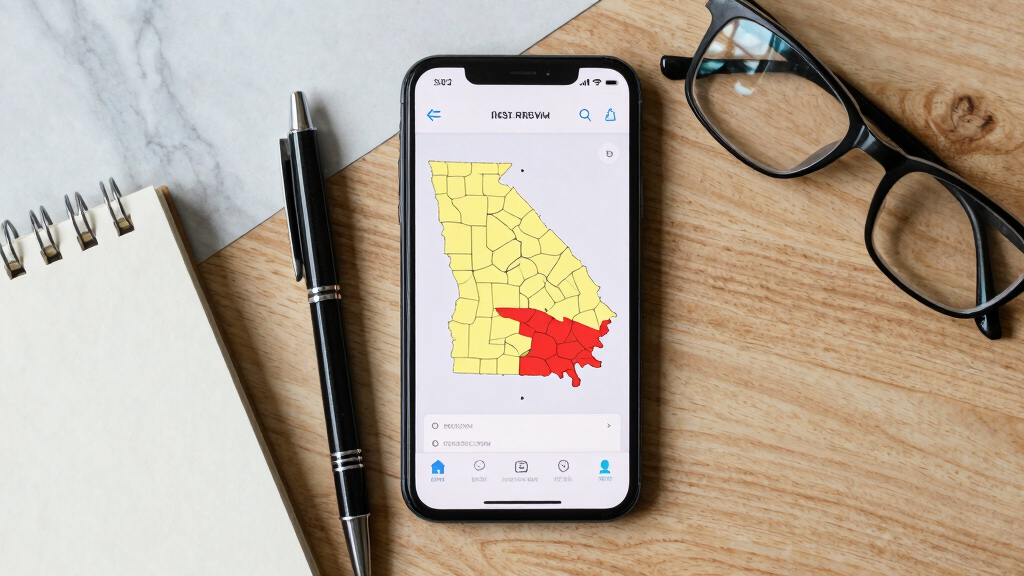
Georgia redistricting map
As an affiliate, we earn on qualifying purchases.
As an affiliate, we earn on qualifying purchases.
Legal and Political Backdrop of Georgia Redistricting Debates
The controversy over redistricting in Georgia is rooted in the 2023 Supreme Court ruling in Louisiana v. Callais, which declared racial gerrymandering unconstitutional and emphasized race-neutral districting. Historically, Georgia’s districts have included majority or plurality nonwhite populations, with Black voters holding significant influence in many districts. The ruling has prompted states across the South to reconsider their district maps, with some Republican-led states moving quickly to redraw boundaries to favor GOP candidates.
In Georgia, efforts to revisit redistricting have been complicated by pending litigation and concerns over legal compliance. The state’s demographic makeup, with approximately 40% nonwhite residents, makes redistricting a sensitive issue, especially given the legacy of civil rights activism and the presence of iconic symbols like the statue of Martin Luther King Jr. at the Capitol. The recent Supreme Court decision has emboldened some Republicans to seek more race-neutral maps, but civil rights groups argue that such efforts threaten minority voting rights and representation.
“Lawmakers want to take their time after the Callais decision, focusing on economic matters rather than partisan games.”
— Jon Burns, Georgia House Speaker

Guardians Of The Vote: History, Heroes, and the Legacy of Voting Rights—1960s v. Today
As an affiliate, we earn on qualifying purchases.
As an affiliate, we earn on qualifying purchases.
Legal and Political Uncertainties Surrounding Future Redistricting
It remains unclear whether Georgia Republicans will revisit redistricting later in the year, as some officials have hinted. The legal landscape, including ongoing litigation and potential Supreme Court rulings, continues to evolve, and the state’s final district maps for 2028 are yet to be determined. The impact of the Louisiana v. Callais decision on future redistricting efforts also remains under debate.
legal guides on redistricting
As an affiliate, we earn on qualifying purchases.
As an affiliate, we earn on qualifying purchases.
Next Steps in Georgia Redistricting and Litigation
Legal challenges related to Georgia’s current district maps are ongoing, and courts may influence future redistricting plans. State lawmakers have indicated they might revisit the issue later in the year once legal and judicial processes clarify the boundaries’ legality. Civil rights groups and Democratic officials are expected to continue advocating for district maps that protect minority voting rights ahead of future elections.
civil rights protest signs
As an affiliate, we earn on qualifying purchases.
As an affiliate, we earn on qualifying purchases.
Key Questions
Will Georgia lawmakers attempt redistricting later this year?
It is possible. Some officials have suggested they may revisit redistricting once legal and judicial uncertainties are resolved, but no definitive plans have been announced.
How does the Louisiana v. Callais decision affect Georgia’s districts?
The ruling limits the use of race in redistricting, prompting Georgia and other states to consider race-neutral maps, which could impact minority representation.
Why did Georgia Republican leaders oppose redistricting during the special session?
They cited concerns over legal challenges, pending litigation, and the potential impact on minority voters, advocating for a cautious approach.
What role did civil rights activists play in this development?
Activists and Democratic leaders organized protests and voiced opposition to rushed redistricting efforts, framing the decision as a victory for voting rights.
Could this delay affect Georgia’s political landscape in 2028?
Yes, delays or changes in district boundaries could influence future electoral outcomes, especially regarding minority representation and partisan competitiveness.
Source: Google Trends