
TL;DR

Prime made for students and young adults
- Fast, free delivery for dorm and study essentials
- Prime Video and Amazon Music included
- Member-only deals
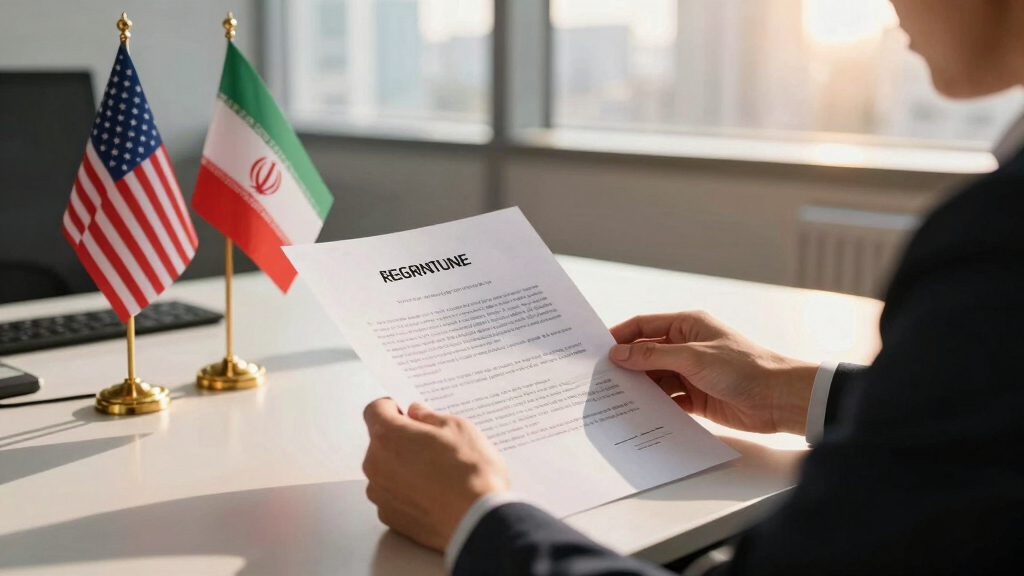
The full text of the recent agreement between the United States and Iran has been released, providing clarity on the negotiated terms. This development is significant for diplomatic relations and future negotiations, though some details remain uncertain.
The full text of the agreement between the United States and Iran has been officially published, marking a key step in diplomatic negotiations. The release offers detailed insight into the commitments and obligations agreed upon, which could influence future relations and policy decisions.
The agreement, published publicly on June 17, 2026, outlines specific terms negotiated between the US and Iran, including sanctions relief, nuclear commitments, and verification measures. The document was released by both governments after weeks of confidential negotiations, aiming to increase transparency and build international confidence.
According to the text, Iran commits to limiting uranium enrichment levels and allowing international inspections, while the US agrees to lift certain sanctions gradually. The agreement also establishes mechanisms for dispute resolution and ongoing monitoring, intended to ensure compliance by both parties.
Officials from both sides have emphasized that the document represents a significant step toward stabilizing relations and preventing nuclear proliferation, though some provisions are subject to ongoing interpretation and implementation challenges.
Implications for Diplomatic and Nuclear Policy
The publication of the agreement’s full text provides transparency and clarity on the commitments made by both the US and Iran, which is critical for assessing compliance and future negotiations. It signals a potential thaw in relations and could influence regional stability and international diplomacy. However, the actual impact depends on the implementation and adherence to the outlined terms, which remains under close observation.
As an affiliate, we earn on qualifying purchases.
Background of US-Iran Negotiations and Recent Developments
Negotiations between the US and Iran have been ongoing for several years, focusing on curbing Iran’s nuclear program in exchange for sanctions relief. Previous agreements, such as the JCPOA, faced setbacks and withdrawals, leading to renewed efforts for a comprehensive deal. The current agreement follows months of secret talks and diplomatic efforts, culminating in the public release of the full text.
Prior to this, both sides had exchanged proposals and held multiple rounds of negotiations, with international mediators facilitating the process. The recent publication marks a shift toward transparency and signals a commitment to formalize the terms publicly.
“The release of the full text underscores our commitment to transparency and accountability in this process.”
— an anonymous government official
As an affiliate, we earn on qualifying purchases.
Details Still Unclear on Enforcement and Compliance
It is not yet clear how effectively both sides will adhere to the agreement’s provisions, or how disputes will be managed in practice. Some clauses, particularly around verification mechanisms, remain subject to interpretation and diplomatic negotiation.
As an affiliate, we earn on qualifying purchases.
Monitoring, Implementation, and International Reactions
The next steps include monitoring compliance through international inspectors and diplomatic channels. Both governments are expected to engage in follow-up discussions to clarify implementation procedures. International reactions, especially from regional actors and other signatories, will also influence the deal’s future.
diplomacy negotiation strategy book
As an affiliate, we earn on qualifying purchases.
As an affiliate, we earn on qualifying purchases.
Key Questions
What are the main commitments Iran has made in the agreement?
Iran commits to limiting uranium enrichment levels, allowing international inspections, and maintaining transparency measures outlined in the text.
How will the US verify Iran’s compliance?
The agreement establishes verification mechanisms involving international inspectors, with procedures detailed in the document for ongoing monitoring.
When will sanctions be lifted?
The agreement specifies a phased approach to sanctions relief, contingent on Iran’s compliance with specific nuclear and transparency commitments.
Are there any contentious clauses still under dispute?
Some clauses related to dispute resolution and enforcement are still subject to interpretation and diplomatic negotiations, with details to be finalized in follow-up discussions.
What is the international community’s response to the agreement?
Reactions vary; some countries support the transparency efforts, while others remain cautious about enforcement and regional stability implications.
Source: Google Trends
Halloween Picks
halloween
As an affiliate, we earn on qualifying purchases.