
Mental health technology expands your access by offering immediate, personalized support from home. With virtual reality, you can confront fears and practice mindfulness safely. AI tools provide quick assessments and early detection, prompting early help. Apps and chatbots make ongoing support discreet and convenient, reducing barriers like cost or stigma. Emerging innovations like biometric sensors and virtual therapists make care even more tailored. If you want to discover how these advancements are reshaping mental health, keep exploring further.
Key Takeaways
- Virtual reality provides immersive, at-home mental health exercises, reducing the need for in-person sessions.
- AI diagnostics enable rapid, accessible assessments and early intervention outside traditional clinics.
- Digital tools like chatbots and apps lower barriers related to cost, stigma, and geographic distance.
- Emerging technologies, such as biometric sensors and virtual therapists, offer personalized, real-time support.
- Integration into daily routines ensures continuous, discreet mental health care accessible anytime.
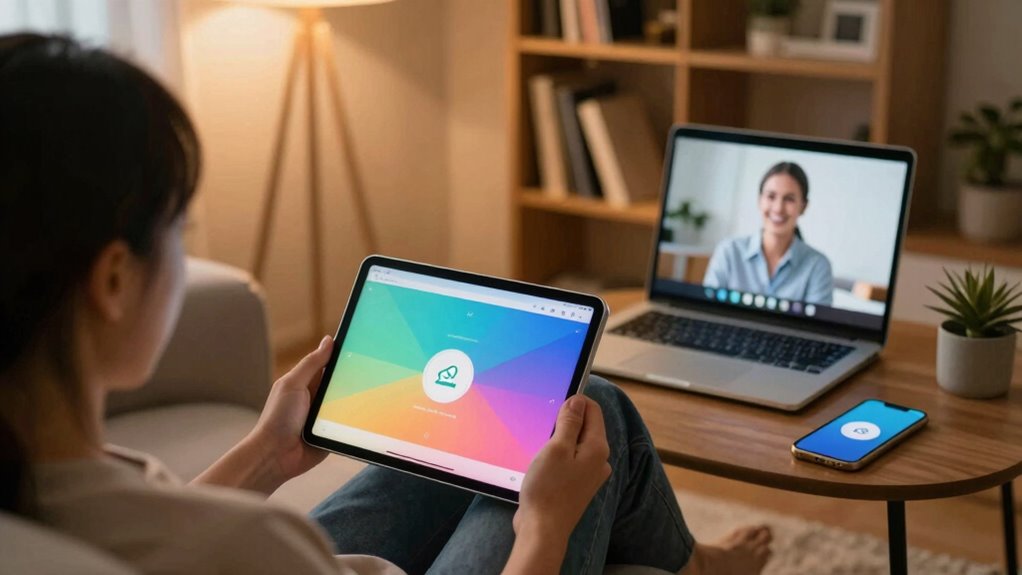
Advancements in technology are transforming how we approach mental health, making support more accessible and personalized than ever before. You no longer have to wait weeks for an appointment or feel constrained by geographic barriers. With tools like virtual reality and AI diagnostics, mental health care is becoming more immediate and tailored to your needs. Virtual reality, for instance, offers immersive experiences that can help you confront fears, manage anxiety, or practice mindfulness in a controlled environment. Instead of traditional talk therapy alone, you can step into virtual scenarios designed to simulate real-world challenges, allowing you to build coping skills in a safe space from your own home.
Virtual reality offers immersive, at-home experiences to build coping skills and manage anxiety effectively.
AI diagnostics further expand access by providing rapid, accurate assessments that can be done anytime, anywhere. These intelligent systems analyze your responses and behavior patterns to identify potential mental health concerns early on. This means you don’t have to wait for a specialist to recognize symptoms; AI tools can flag issues promptly, prompting you to seek further support if needed. This early detection can be vital in preventing the escalation of mental health problems. Plus, AI-driven platforms often offer personalized recommendations and resources, guiding you toward effective strategies or professional help tailored specifically to your situation.
The convenience of these technologies means you can integrate mental health support into your daily routine without disrupting your schedule. Whether it’s using a virtual reality app to practice relaxation techniques or engaging with an AI chatbot for immediate emotional support, you have options that fit your lifestyle. These tools also reduce the stigma often associated with seeking help, providing discreet, non-judgmental environments where you can explore your feelings and challenges. As the technology continues to evolve, you’ll find even more sophisticated ways to manage your mental health—such as biometric sensors that monitor your stress levels or virtual therapists that adapt their approach based on your progress.
Ultimately, these innovations make it easier for you to access mental health resources whenever you need them, breaking down traditional barriers like cost, distance, and stigma. They empower you to take control of your mental well-being with tools that are intuitive, immediate, and deeply personalized. As you incorporate virtual reality and AI diagnostics into your mental health journey, you’ll discover that support is no longer confined to scheduled appointments but can be a seamless part of your everyday life, helping you build resilience and maintain emotional balance more effectively. One key aspect of this progress is the development of home-based technology, which allows for continuous and accessible mental health support outside clinical settings. Additionally, biometric sensors can provide real-time data to help tailor interventions more precisely to your needs. Moreover, neural interfaces are beginning to play a role in mental health care, offering even more innovative ways to monitor and support emotional well-being, making digital mental health tools increasingly comprehensive.

Technology and Mental Health: A Clinician's Guide to Improving Outcomes (Clinical Topics in Psychology and Psychiatry)
As an affiliate, we earn on qualifying purchases.
As an affiliate, we earn on qualifying purchases.
Frequently Asked Questions
How Secure Is My Personal Data on Mental Health Apps?
Your personal data on mental health apps is generally secure, but it depends on the app’s data privacy measures. Reputable apps use encryption and strict security protocols to protect your information. They prioritize user confidentiality, ensuring your sensitive details stay private. However, always review privacy policies and permissions before using an app. Stay cautious, and choose platforms committed to safeguarding your data privacy and maintaining user confidentiality to feel more secure.
Can Technology Replace Traditional Face-To-Face Therapy Completely?
Technology can’t fully replace traditional face-to-face therapy yet. Virtual therapy offers convenience and accessibility, but it may lack the personal connection some individuals need. AI diagnosis can assist in identifying issues early, yet it doesn’t replace the nuanced understanding a human therapist provides. You might find a blend of virtual therapy and traditional sessions most effective, as technology enhances support, but doesn’t completely replace the value of in-person care.
What Are the Costs Associated With Mental Health Technology?
The costs of mental health technology vary, but they can still present cost barriers for many. Some platforms require subscription fees or one-time payments, which might not be affordable for everyone. Insurance coverage can help reduce these costs, but not all plans cover digital therapy or apps. You may need to explore options, compare prices, and check if your insurance offers support, making it more accessible for your mental health needs.
How Do I Choose the Right Mental Health App for My Needs?
To choose the right mental health app, start by evaluating your needs and look for personalization options that fit your goals. Check user engagement features like reminders, progress tracking, and interactive tools to stay motivated. Read reviews to see how others find the app’s effectiveness. Also, guarantee the app is credible and data secure. Picking an app that aligns with your needs makes it easier to stay consistent and benefit from support.
Are There Any Risks Associated With Using Mental Health Technology?
Like walking a tightrope, using mental health technology involves risks. Privacy concerns can expose your sensitive data if not protected properly, and technology dependency might make you rely on apps rather than face-to-face support. Stay vigilant by choosing secure platforms and setting boundaries to maintain balance. Being aware of these risks helps you harness technology’s benefits without falling into potential pitfalls.

The AI Life Coach for Everyday People: Finding Daily Mental Support in the Digital Age
As an affiliate, we earn on qualifying purchases.
As an affiliate, we earn on qualifying purchases.
Conclusion
As you explore mental health technology, you’re opening a door to support that’s wide and welcoming. Like a lighthouse guiding ships through stormy seas, these tools illuminate paths to understanding and healing, no matter where you are. Embracing these innovations means you’re not alone in your journey—help is just a click away, shining brightly like a beacon of hope in the darkest night. Together, technology transforms the way you access care, making mental health support a reality for all.

Oura Ring 4 – Smart Ring – Silver – Size 9 – Sleep, Activity, Women's Health, AI Advisor, Up to 8 Days of Battery Life, Oura App, Android & iOS Compatible
ACCURACY – SMART SENSING – Oura tracks over 50 health metrics, including sleep, activity, stress, heart health, and…
As an affiliate, we earn on qualifying purchases.
As an affiliate, we earn on qualifying purchases.

NO MORE THERAPISTS YOUR BRAIN HAS THE ANSWER: CLEAR NEGATIVE EMOTIONS IN MINUTES NOT YEARS!
As an affiliate, we earn on qualifying purchases.
As an affiliate, we earn on qualifying purchases.