For anyone curious about exploring the wonders of science through hands-on activities, interactive experiment kits offer an engaging way to learn. The best kits balance educational value with ease of use, making science fun and accessible for kids of different ages. The Doctor Jupiter Ultimate Science Kit stands out for its comprehensive experiments for older kids, while the National Geographic Gross Science Kit appeals to younger learners with gross-out experiments that spark curiosity. However, tradeoffs often involve balancing complexity, safety, and cost. Keep reading for a detailed comparison to find the perfect fit for your young scientist.
Key Takeaways
- The most versatile kits offer a broad range of experiments, suitable for different ages and interests.
- Safety features and age-appropriate design are critical, especially for younger children.
- Higher experiment counts generally indicate better value but can also mean more complexity and potential setup time.
- Quality of included tools and ingredients can vary widely, impacting durability and educational quality.
- Price often correlates with the number of experiments and complexity, but top-tier kits can be surprisingly affordable.
| Doctor Jupiter Girls’ First Science Kit for Kids Ages 4-8 |  | Best for Introducing Young Girls to STEM with Kid-Friendly Experiments | Age Range: 4-8 years | Number of Experiments: 100+ | Safety Standards: ASTM F963-17 | VIEW LATEST PRICE | See Our Full Breakdown |
| National Geographic Gross Science Kit – 45 Gross Science Experiments for Kids 8-12 |  | Best for Kids Who Love Messy, Gross Science with Dissections and Chemical Reactions | Number of Experiments: 45 | Suitable Age: 8-12 | Includes: Dissecting a brain, slime making, glowing worms, household experiments | VIEW LATEST PRICE | See Our Full Breakdown |
| National Geographic Amazing Chemistry Set – STEM Science Kit with 100+ Experiments for Kids |  | Best for Serious Young Chemists Interested in Hands-On Projects | Number of Experiments: 100+ | Includes: test tubes, beakers, pipettes | Bonus Experiments: 85 | VIEW LATEST PRICE | See Our Full Breakdown |
| Doctor Jupiter My First Science Kit for Kids Ages 4-8 |  | Best for Beginners and Young Explorers Just Starting Out in Science | Number of Experiments: 50+ | Recommended Age: 4-8 years | Safety Standards: ASTM F963-17 | VIEW LATEST PRICE | See Our Full Breakdown |
| National Geographic Science Magic Kit for Kids with 100+ Experiments and Tricks |  | Best for Combining Science and Magic to Inspire Creativity and Curiosity | Number of Experiments: 100+ | Bonus Experiments: 85+ | Includes: Magic wand, white gloves, experiment guide | VIEW LATEST PRICE | See Our Full Breakdown |
| Doctor Jupiter Ultimate Science Kit for Kids Ages 8+ | STEM Educational Chemistry Set with 135+ Experiments |  | Best Overall for Extensive Chemistry Exploration | Number of Experiments: 135+ | Bonus Experiments: 90+ | Recommended Age: 8+ years | VIEW LATEST PRICE | See Our Full Breakdown |
| Science Kit for Kids – 80 Science Lab Experiments, Educational STEM Toy with Scientific Tools, Birthday Gift for Ages 6-9 |  | Best Value with Comprehensive Tools and Guidance | Number of Experiments: 80 | Included Items: Goggles, chemical materials, petri dishes, pingpong ball, pigments, effervescent tablets, measuring cups, test tubes, gloves, rubber bands, droppers, straws, toothpicks, rotary needles, measuring spoons, balloons, twisting rods, rainbow candy, color changing flower | Recommended Age: 6+ years | VIEW LATEST PRICE | See Our Full Breakdown |
| UNGILINGA 40+ Experiments Science Kit for Kids – Chemistry Set, Educational Toy Gift for Boys and Girls |  | Best for Young Beginners with Focused Chemistry Activities | Number of Experiments: Over 40 | Suitable for: Kids | Includes: All necessary materials except household items | VIEW LATEST PRICE | See Our Full Breakdown |
| Doctor Jupiter My First Science Kit for Kids Ages 4-8 |  | Best for Young Children Starting Early Science Exploration | Number of experiments: 100+ | Recommended age: 4-8 years | Safety standards: ASTM F963-17 | VIEW LATEST PRICE | See Our Full Breakdown |
| UNGILINGA 70 Lab Experiments Science Kit for Kids Educational STEM Toy |  | Best for Serious Young Scientists Ready for Multiple Experiments | Number of Experiments: 70 | Age Range: 96 months and up | Model Number: HZDZKH030 | VIEW LATEST PRICE | See Our Full Breakdown |
| National Geographic Junior Chemistry Set – Complete Early Learning Lab Kit with 50 Science Experiments and 20+ Lab Tools for Kids 4-6 |  | Best for Early Childhood Introduction to Chemistry | Number of Experiments: 50 | Lab Tools: 20+ | Recommended Age: 4-6 | VIEW LATEST PRICE | See Our Full Breakdown |
| Blue Marble National Geographic Magic Chemistry Set – Science Kit for Kids with 10 Magic Tricks, STEM Projects & Experiments |  | Best for Combining Magic and Science for Ages 8+ | Brand: Blue Marble | Age Range: 8 years and up | Set Includes: Magic wand, gloves, experiment tools, learning guide | VIEW LATEST PRICE | See Our Full Breakdown |
| UNGlinga 150 Experiments Science Kits for Kids, STEM Educational Project Toys for Boys and Girls |  | Best for Comprehensive Variety and In-Depth Exploration | Number of Experiments: 150 | Suitable Age: Kids | Includes: Science tools and materials | VIEW LATEST PRICE | See Our Full Breakdown |
| National Geographic Earth Science Kit – 100+ Science Experiments & Activities for Kids | 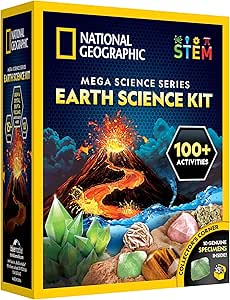 | Best for Exploring Earth Science in Depth | Brand: National Geographic | Age Range: 96 months and up | Objective: STEM | VIEW LATEST PRICE | See Our Full Breakdown |
| Blue Marble National Geographic Chemistry Set – 45 Experiments for Kids Ages 8-12 |  | Best for Focused Chemistry Fun for Older Kids | Number of Experiments: 45 | Recommended Age: 8-12 | Educational Focus: Chemistry, STEM | VIEW LATEST PRICE | See Our Full Breakdown |
More Details on Our Top Picks
Doctor Jupiter Girls’ First Science Kit for Kids Ages 4-8
This kit stands out for its focus on inspiring girls’ interest in STEM through over 100 engaging activities. Compared with the Doctor Jupiter My First Science Kit, it offers a broader range of experiments but is exclusively designed for girls, which might limit its appeal. The included activities promote critical thinking and parent-child bonding, making it ideal for early learners. However, the small parts pose a choking hazard for younger children, and some experiments require adult supervision. While the instructions are clear and accessible, the gender-specific branding may not resonate with all families. Overall, this kit makes the most sense for parents seeking a large, encouraging science experience tailored for young girls.
Pros:- Engages children with over 100 fun and educational experiments
- Promotes STEM learning and critical thinking skills
- Includes comprehensive, easy-to-follow instructions
Cons:- Limited to girls’ science activities, might not appeal to all children
- Requires adult supervision for some experiments
- Contains small parts that may pose a choking hazard for younger children
Best for: Parents of girls aged 4-8 who want to foster early STEM curiosity in a fun, guided way
Not ideal for: Families seeking a gender-neutral kit or activities for children outside the specified age range
- Age Range:4-8 years
- Number of Experiments:100+
- Safety Standards:ASTM F963-17
Our verdict“This kit is perfect for parents wanting a large, girl-centered science set that encourages early STEM engagement.”
National Geographic Gross Science Kit – 45 Gross Science Experiments for Kids 8-12
Best for Kids Who Love Messy, Gross Science with Dissections and Chemical Reactions
View Latest PriceThis kit excels at engaging older children with 45 gross science activities, such as dissecting a brain and making slime, making it ideal for kids who thrive on hands-on, slightly messy projects. Compared to the National Geographic Amazing Chemistry Set, it offers a more visceral, gross-out experience, but may require more supervision due to its messy nature. The experiments teach valuable STEM concepts like polymers and pH, while the inclusion of household items for some activities adds flexibility. However, the messiness can be a drawback, and the need for adult oversight might limit independent exploration. For families seeking a robust, gross-focused science experience, this kit delivers extended fun and learning.
Pros:- Engages kids with fun, gross science experiments
- Includes comprehensive, easy-to-follow instructions
- Teaches valuable STEM concepts through hands-on activities
- Offers a large number of experiments for extended play
Cons:- Experiments may be messy and require supervision
- Some activities depend on household items, which may vary
Best for: Parents of kids aged 8-12 who enjoy gross, messy science experiments and dissection activities
Not ideal for: Younger children or families sensitive to mess and requiring minimal supervision
- Number of Experiments:45
- Suitable Age:8-12
- Includes:Dissecting a brain, slime making, glowing worms, household experiments
Our verdict“This kit is ideal for older kids who love gross science and don’t mind a bit of mess for educational fun.”
National Geographic Amazing Chemistry Set – STEM Science Kit with 100+ Experiments for Kids
This set provides over 100 experiments, including crystal growing and color-changing solutions, making it a comprehensive choice for aspiring young chemists. Unlike the Doctor Jupiter Girls’ First Science Kit, which is more introductory and gender-specific, this kit offers a broader array of scientific tools like test tubes, beakers, and pipettes for genuine lab experiences. It promotes STEM learning with real equipment, but some experiments require adult supervision and household materials not included in the kit. While the extensive experiment list offers long-term engagement, the complexity may be overwhelming for younger children or complete beginners. Overall, it makes the most sense for ambitious kids ready for serious chemistry exploration.
Pros:- Provides a wide variety of engaging science experiments
- Includes real scientific tools for authentic hands-on learning
- Offers additional experiments with household items
Cons:- Requires adult supervision for safe use
- Some experiments need household materials not included
Best for: Parents of kids aged 8-12 seeking a serious, tool-based chemistry set for independent or guided experimentation
Not ideal for: Younger children or families preferring simple, beginner-friendly activities without real lab equipment
- Number of Experiments:100+
- Includes:test tubes, beakers, pipettes
- Bonus Experiments:85
Our verdict“Ideal for motivated young scientists eager to explore chemistry with real tools and a large experiment library.”
Doctor Jupiter My First Science Kit for Kids Ages 4-8
This kit offers over 50 experiments tailored for children aged 4 to 8, emphasizing screen-free, educational activities like volcano making and slime. Compared with the Doctor Jupiter Girls’ First Science Kit, it is aimed at a broader, gender-neutral audience but with fewer experiments, which might suit families looking for a concise introduction. The activities promote critical thinking and STEM curiosity, with easy-to-follow instructions and safety standards. Its main limitation is the age range—older kids might find it too simple, and some experiments need adult help. It’s a solid choice for parents wanting a straightforward, safe science kit for early learners.
Pros:- Engages children with over 50 fun and educational experiments
- Encourages STEM learning and critical thinking
- Includes easy-to-follow instructions and safety standards
Cons:- Limited to children aged 4-8, may not suit older kids
- Some experiments may require adult supervision
- No specific price information provided
Best for: Parents of children aged 4-8 seeking a simple, safe, and educational science introduction
Not ideal for: Older kids or those seeking more advanced, extensive experiments
- Number of Experiments:50+
- Recommended Age:4-8 years
- Safety Standards:ASTM F963-17
Our verdict“This kit is perfect for parents wanting a straightforward, safe science experience for early childhood learners.”
National Geographic Science Magic Kit for Kids with 100+ Experiments and Tricks
This kit blends over 100 science experiments with 20 magic tricks, making it ideal for children who enjoy both science and magic. Compared with the National Geographic Amazing Chemistry Set, which focuses more exclusively on chemistry, this kit emphasizes fun, wonder, and creativity through magic tricks and experiments using household items. The inclusion of a magic wand and gloves enhances the imaginative appeal, encouraging curiosity beyond traditional science. However, some experiments and tricks require adult supervision, and additional household items might be needed. It is best suited for kids interested in playful, creative science that incorporates a magic element for extra engagement.
Pros:- Combines science experiments with magic tricks for broad engagement
- Includes a wide variety of experiments and tricks
- Bonus experiments encourage ongoing curiosity
Cons:- Requires adult supervision for some activities
- May need additional household items
- Limited to children interested in magic and science
Best for: Parents of kids who love magic, tricks, and fun science experiments to boost curiosity and creativity
Not ideal for: Children seeking purely serious or advanced science projects without the magic theme
- Number of Experiments:100+
- Bonus Experiments:85+
- Includes:Magic wand, white gloves, experiment guide
Our verdict“This kit is ideal for young learners who enjoy playful science and magic tricks to stimulate curiosity and creativity.”
Doctor Jupiter Ultimate Science Kit for Kids Ages 8+ | STEM Educational Chemistry Set with 135+ Experiments
This kit stands out for its impressive collection of over 135 experiments, making it ideal for children who crave deep, varied hands-on learning. Compared with the Science Kit for Kids – 80 Science Lab Experiments, it offers more variety, but this means its complexity can be overwhelming for younger or less experienced children, requiring adult supervision. Its inclusion of safe, leak-proof bottles ensures mess-free experimentation, fostering independence. However, limited detail on chemical safety and the complexity of some experiments might deter parents seeking straightforward, beginner-friendly options. This kit makes the most sense for parents of older children who are eager to explore chemistry in depth and can handle more detailed instructions.
Pros:- Extensive variety of experiments keeps children engaged longer
- Encourages STEM learning and curiosity
- Includes bonus experiments for added value
- Safe, leak-proof containers reduce mess
Cons:- Requires adult supervision for some experiments
- May be too complex for younger or less experienced children
- Limited transparency on chemical safety details
Best for: Families seeking a comprehensive chemistry set that encourages advanced exploration and creativity for children 8 and above
Not ideal for: Parents of younger children or beginners who might find the extensive experiments intimidating or too complex
- Number of Experiments:135+
- Bonus Experiments:90+
- Recommended Age:8+ years
- Materials:Leak-proof bottles, chemical materials
Our verdict“This kit is perfect for older children ready for a wide-ranging, in-depth chemistry experience, provided they have adult oversight.”
Science Kit for Kids – 80 Science Lab Experiments, Educational STEM Toy with Scientific Tools, Birthday Gift for Ages 6-9
Compared to the Doctor Jupiter Ultimate Science Kit, this set offers a solid selection of 80 experiments, making it a good balance of variety and accessibility for children aged 6 to 9. Its inclusion of scientific tools like goggles, petri dishes, and measuring cups enhances hands-on learning, helping children grasp scientific concepts more confidently. While the experiments are engaging and safe, some may require adult supervision, especially for younger children, and chemical quantities might need replenishing after multiple uses. Its focus on safety and guidance makes it a practical choice for parents seeking a well-rounded educational kit that emphasizes both fun and learning at an affordable price.
Pros:- Includes a comprehensive set of scientific tools
- Provides 80 engaging, educational experiments
- Safe materials suitable for young children
- Encourages hands-on scientific discovery
Cons:- Some experiments may require adult supervision
- Chemical supplies might need replenishment
- Limited advanced experimentation options
Best for: Parents looking for a versatile, well-equipped kit suitable for children 6-9 just starting their science journey
Not ideal for: Parents of children seeking highly advanced or extensive chemistry experiments beyond 80 activities
- Number of Experiments:80
- Included Items:Goggles, chemical materials, petri dishes, pingpong ball, pigments, effervescent tablets, measuring cups, test tubes, gloves, rubber bands, droppers, straws, toothpicks, rotary needles, measuring spoons, balloons, twisting rods, rainbow candy, color changing flower
- Recommended Age:6+ years
Our verdict“This kit offers a great balance of variety and safety, ideal for children beginning to explore science with parental guidance.”
UNGILINGA 40+ Experiments Science Kit for Kids – Chemistry Set, Educational Toy Gift for Boys and Girls
This kit offers a more streamlined experience with over 40 experiments, making it suitable for younger children or those just starting with science. In comparison to the Doctor Jupiter Ultimate Science Kit, it provides fewer experiments but emphasizes simplicity and ease of use with clear, child-friendly instructions. Its focus on basic chemistry concepts like creating bouncy balls and lava lamps makes it accessible without overwhelming new learners. A notable drawback is that some household items are needed but not included, which could frustrate parents expecting a fully contained experience. This set makes sense for parents who want a straightforward, engaging chemistry kit at an affordable price for early learners.
Pros:- Provides a focused selection of experiments
- Child-friendly instructions make setup easy
- Encourages creativity and basic chemistry understanding
- Affordable and straightforward
Cons:- Requires some household items not included
- Limited number of experiments for advanced learners
- Potentially less challenging for older children
Best for: Parents of children aged 4-8 seeking simple, safe chemistry experiments that build foundational skills
Not ideal for: Older children or those seeking a wide variety of more complex experiments
- Number of Experiments:Over 40
- Suitable for:Kids
- Includes:All necessary materials except household items
Our verdict“Ideal for young children or beginners wanting a simple, safe chemistry introduction with minimal complexity.”
Doctor Jupiter My First Science Kit for Kids Ages 4-8
Compared to the UNGILINGA 40+ Experiments Science Kit, this set offers over 100 experiments, making it a more extensive option for early learners. Its focus on fun, screen-free activities promotes critical thinking and observation skills suitable for the 4-8 age group. The included experiments are simple enough for young children to handle with minimal supervision, and the safety standards (ASTM F963-17) reassure parents. However, some experiments may need additional household items, and the broad scope might be overwhelming for very young or less experienced children. This kit makes the most sense for parents wanting to introduce STEM concepts early with a substantial variety of safe activities.
Pros:- Over 100 experiments for variety
- Promotes critical thinking and observation
- Meets ASTM safety standards
- Easy-to-follow instructions
Cons:- Some experiments need additional household items
- May be too broad for focused learning
- Requires adult supervision for younger children
Best for: Parents of children aged 4-8 seeking a large variety of safe, engaging STEM activities for early development
Not ideal for: Children over 8 or those seeking more advanced, complex experiments
- Number of experiments:100+
- Recommended age:4-8 years
- Safety standards:ASTM F963-17
Our verdict“This kit is perfect for early explorers who want a large, safe selection of science activities to nurture curiosity.”
UNGILINGA 70 Lab Experiments Science Kit for Kids Educational STEM Toy
Compared with the Doctor Jupiter Ultimate Science Kit, this set offers 70 experiments tailored for children 8 and older, emphasizing critical thinking and problem-solving through activities like volcano eruptions and crystal growing. Its variety and detailed, child-friendly instructions foster deeper understanding of scientific principles, making it suitable for more committed young scientists. The need for adult supervision and some household items limits its independence, but this is typical for more involved experiments. This kit makes the most sense for children who are ready for a more serious, comprehensive STEM experience and can handle the supervision and prep involved.
Pros:- Includes 70 varied, engaging experiments
- Encourages STEM skills and critical thinking
- Safe, detailed instructions for independent learning
- Fosters problem-solving and creativity
Cons:- Requires adult supervision for some experiments
- Some household items necessary but not included
- Designed for children 8 and older, less suitable for younger kids
Best for: Parents of children 8+ who want an extensive, challenging science set for developing deeper scientific skills
Not ideal for: Younger children or beginners seeking simple, introductory experiments
- Number of Experiments:70
- Age Range:96 months and up
- Model Number:HZDZKH030
- Brand:UNGLINGA
Our verdict“This kit suits older, motivated children ready for a more rigorous, comprehensive science adventure with guided supervision.”
National Geographic Junior Chemistry Set – Complete Early Learning Lab Kit with 50 Science Experiments and 20+ Lab Tools for Kids 4-6
This set stands out for its extensive collection of 50 simple, engaging experiments tailored to very young children, making it ideal for introducing basic chemistry concepts in a playful way. Compared with the National Geographic Earth Science Kit, which offers more complex earth science projects, this set focuses on foundational skills suited for preschoolers. Its child-safe tools and colorful guides foster curiosity with minimal supervision, though the experiments are quite basic and might bore older kids or those ready for more challenging activities. The inclusion of an award-winning reputation adds confidence for parents seeking a trusted brand. Tradeoff: Simplicity means limited scope for advanced learners but excellent for kids just starting out with science. This pick makes the most sense for parents and educators seeking a safe, straightforward chemistry introduction for preschoolers.
Pros:- Includes 50 engaging experiments to spark early curiosity
- Comes with over 20 child-safe lab tools for easy handling
- Bright, illustrated instructions designed for young learners
- Award-winning product from a reputable brand
Cons:- Requires adult supervision for safety during use
- Limited to simple household chemicals, restricting scope
Best for: Families with children aged 4-6 who want a safe, easy-to-understand chemistry starter kit.
Not ideal for: Older children or kids interested in more complex or advanced chemistry experiments, as it may feel too simplistic.
- Number of Experiments:50
- Lab Tools:20+
- Recommended Age:4-6
- Awards:Toy of the Year Award
Our verdict“This kit is perfect for parents wanting a safe, fun, and foundational chemistry experience for preschoolers.”
Blue Marble National Geographic Magic Chemistry Set – Science Kit for Kids with 10 Magic Tricks, STEM Projects & Experiments
This kit makes the list for its creative approach—using magic tricks to teach scientific principles, which can captivate children aged 8 and up. Unlike the UNGlinga 150 Experiments Kit, which offers a broad spectrum of science topics, this set narrows focus on fun, magic-themed demonstrations that illustrate key STEM concepts. Its inclusion of a magic wand, gloves, and colorful instructions encourages independent exploration, though the limited number of experiments (only 10) may not satisfy kids seeking extensive hands-on projects. It’s ideal for those who love a bit of mystique alongside learning, but less so for children uninterested in magic or who prefer more traditional science activities. Tradeoff: The magic theme enhances engagement but doesn’t provide as much variety or depth as larger kits. This pick is best for children who enjoy science with a theatrical twist.
Pros:- Engages kids with fun, magic-themed experiments
- Includes all necessary tools and colorful instructions
- Fosters creativity and scientific thinking through magic tricks
- Award-winning product that combines entertainment with education
Cons:- Limited to only 10 experiments, which may be insufficient for some
- Some experiments require adult supervision due to complexity
Best for: Children aged 8 and older who love magic and want to see science in a fun, theatrical context.
Not ideal for: Kids uninterested in magic or those seeking a broad, in-depth science experiment collection, as the focus is more on tricks than extensive projects.
- Brand:Blue Marble
- Age Range:8 years and up
- Set Includes:Magic wand, gloves, experiment tools, learning guide
- Number of Experiments:10
Our verdict“This kit excels at blending magic with science to captivate curious children who enjoy theatrical experiments.”
UNGlinga 150 Experiments Science Kits for Kids, STEM Educational Project Toys for Boys and Girls
This kit earns a spot for its impressive volume—150 experiments spanning earth science, chemistry, and physics—making it ideal for sustained engagement. Compared to the National Geographic Junior Chemistry Set, which offers basic experiments suitable for young children, this set is more suited to slightly older kids or those with a keen interest in diverse scientific fields. Its high-quality tools and clear instructions support independent exploration but may require adult supervision for safety and for some experiments that use household items not included. The wide range of topics makes it perfect for curious learners, though the complexity might be overwhelming for very young children. Tradeoff: More experiments mean greater variety but also increased complexity and safety considerations. This kit is best for kids ready to dive into multiple scientific disciplines.
Pros:- Offers an extensive range of 150 experiments to maintain interest
- Covers multiple science topics including earth, chemistry, and physics
- High-quality tools and materials promote safe, hands-on learning
- Encourages curiosity and independent investigation
Cons:- Requires adult supervision for safety and guidance
- Some experiments depend on household items not included in the kit
Best for: Parents and educators seeking a large, diverse science kit for children aged roughly 8 and above who are eager to explore multiple fields of science.
Not ideal for: Younger children or beginners who may find the variety too complex or the instructions overwhelming without close supervision.
- Number of Experiments:150
- Suitable Age:Kids
- Includes:Science tools and materials
- Topics Covered:Earth science, surface tension, chemistry, physics
Our verdict“This kit is ideal for children ready to explore a broad spectrum of science topics through numerous experiments.”
National Geographic Earth Science Kit – 100+ Science Experiments & Activities for Kids
This kit stands out for its focus on earth science, offering over 15 detailed experiments like volcano eruptions and crystal growth, which make it suitable for children interested in geology and natural phenomena. Compared with the National Geographic Junior Chemistry Set, which emphasizes chemistry basics, this kit provides a more specialized focus that can deepen understanding of Earth’s processes. Its included components and colorful guide support engaging, educational experiences, though the kit’s size and the need for adult supervision may pose logistical challenges. While the experiments are rich in educational value, some parts may not be durable enough for frequent handling, and storage space could be a concern. Tradeoff: More detailed and engaging but requires more space and supervision, making it better suited for dedicated young Earth scientists.
Pros:- Includes over 15 engaging earth science experiments
- Detailed, colorful learning guide enhances understanding
- High-quality components support hands-on exploration
- Excellent for sharing educational experiences
Cons:- Some experiments require adult supervision
- Kit size may be cumbersome for storage and transport
Best for: Children aged 8 and older with a keen interest in earth sciences and geology.
Not ideal for: Young children or casual science learners who prefer simple experiments or limited space for storage.
- Brand:National Geographic
- Age Range:96 months and up
- Objective:STEM
- Included Components:Crystal Growing Kit, Gemstone Dig, Volcano Plaster
- Model Number:NGMEGAEARTH
- Unit Count:1
Our verdict“This kit is perfect for budding geologists eager to explore Earth’s mysteries through hands-on activities.”
Blue Marble National Geographic Chemistry Set – 45 Experiments for Kids Ages 8-12
This set makes the list for its well-rounded collection of 45 chemistry experiments designed for children aged 8 to 12, offering a good balance of engaging activities like volcanoes and rockets. Compared with the National Geographic Junior Chemistry Set, which is geared toward younger children, this kit is better suited for older kids ready for slightly more complex projects. Its clear, illustrated instructions support independent learning, but the limited scope to chemistry means it won’t satisfy those seeking a broad STEM experience. The experiments can be messy and require supervision, but they effectively teach scientific concepts through hands-on activities. The focus on chemistry gives it an edge for kids specifically interested in chemical reactions and experiments. Tradeoff: Focused on chemistry only, which makes it less versatile but ideal for dedicated young chemists.
Pros:- Engages kids with hands-on chemistry experiments
- Includes clear, illustrated instructions for independent use
- Encourages STEM curiosity with safe, educational activities
Cons:- Requires supervision for some experiments
- Limited to chemistry, so less variety for broader science interests
- Some experiments may be messy
Best for: Kids aged 8-12 with a strong interest in chemistry and STEM experiments.
Not ideal for: Younger children under 8 or those seeking a broader science experience beyond chemistry.
- Number of Experiments:45
- Recommended Age:8-12
- Educational Focus:Chemistry, STEM
Our verdict“This set is ideal for older children eager to explore chemistry through engaging, hands-on experiments.”
How We Picked
I evaluated each kit based on several key factors that matter most to buyers: the variety and educational value of experiments, ease of use, safety features, quality of included materials, and overall value. Kits with clear instructions and age-appropriate design earned higher marks, while those with a broad experiment range ranked better for versatility. Cost-effectiveness was also considered, ensuring the top picks offer a balance of quality and affordability. The ranking reflects a combination of these criteria, prioritizing products that deliver engaging, safe, and educational experiences for different age groups and skill levels.Factors to Consider When Choosing Interactive Science Experiment Kits
Choosing the right interactive science experiment kit involves more than just looking at the number of experiments. Consider your child’s age, safety needs, and learning goals. Additional factors such as ease of setup, durability, and the variety of experiments can make a significant difference in the long run. It’s also wise to think about whether the kit will grow with your child or if it’s tailored for a specific skill level. Understanding these broader considerations helps avoid common pitfalls, such as purchasing a kit that’s too complex or too simple for your child’s interests and abilities.Age and Skill Level
Matching the kit to your child’s age ensures they can handle the experiments safely and stay engaged. Kits designed for younger children typically feature simpler, safer activities with larger parts, while those for older kids often include more detailed procedures and complex concepts. Avoid buying a kit that’s too advanced, which can lead to frustration, or one that’s too basic, which might bore your child quickly. Consider the recommended age range and look for kits that offer some room to grow as your child’s skills develop.
Safety and Supervision
Safety features are paramount, especially with kits involving chemicals, heat, or small parts. Always check for non-toxic ingredients, shatterproof tools, and clear safety warnings. Consider whether adult supervision is required or if the kit is designed to be safe for independent use. Kits that include safety gear like goggles and gloves can add peace of mind. Remember, a safer kit encourages hands-on learning without the risk of accidents or mishaps.
Experiment Variety and Educational Value
The number of experiments isn’t the only thing that matters; quality and educational depth are equally important. Kits with a broad spectrum of experiments appeal to curious minds, offering different scientific concepts like chemistry, physics, or earth science. Look for kits that explain the science behind each activity; this enhances learning and curiosity. Avoid kits that rely solely on repetitive or superficial activities, which can limit long-term engagement.
Ease of Use and Setup
Streamlined instructions and organized components can make or break the experience. Kits that are complicated to set up or require extensive prep time can frustrate young learners and discourage regular use. Look for clear, step-by-step instructions, ideally with visual aids or videos. Durable, well-organized containers for tools and ingredients help keep everything accessible and reduce cleanup time, encouraging continued exploration.
Value for Money and Additional Features
While a higher price often indicates more experiments or better materials, it’s essential to evaluate whether the kit offers good value for your specific needs. Some kits include extra tools, storage containers, or bonus activities that enhance the experience. On the other hand, cheaper kits might sacrifice quality or safety for cost savings. Consider the longevity and educational potential of the kit to make sure it justifies the investment.
Frequently Asked Questions
Are interactive science kits suitable for unsupervised use?
Many science kits are designed with safety features that allow older children to use them with minimal supervision, but adult oversight is advisable for younger kids, especially when experiments involve chemicals or heat. Always review the safety recommendations included with each kit, and ensure your child understands basic safety rules. Proper supervision not only prevents accidents but also enhances the learning process, making the experience more meaningful.
How do I pick a kit for a child with little scientific background?
For children new to science, look for kits labeled as beginner-friendly or age-appropriate, with simple instructions and minimal setup. Kits that focus on fun, tactile activities like slime making, volcano eruptions, or magnet experiments can spark curiosity without overwhelming them. Avoid overly complex kits that require prior knowledge or advanced tools, as this can lead to frustration. Starting with engaging, straightforward experiments helps build confidence and enthusiasm for science.
Can these kits be reused or are they one-time use?
Most kits include reusable tools and containers, but the consumable materials like chemicals, powders, or liquids are often single-use or limited in quantity. Check the kit details for refill options or additional supplies you might need later. Reusable components extend the value of the kit, allowing your child to perform more experiments over time, but always follow safety instructions regarding the reuse of any materials.
What should I do if a kit’s parts break or go missing?
Many reputable brands offer replacement parts or refills, which can be a cost-effective way to extend your kit’s lifespan. Keep track of all components and store them properly after each use to prevent loss or damage. If parts break, consult the manufacturer’s customer service for replacements or advice, rather than trying to fix them yourself, which could compromise safety. Investing in a kit with good customer support can save headaches later.
Is it better to buy a kit with more experiments or fewer but more comprehensive activities?
This depends on your child’s interests and learning goals. Kits with a higher number of experiments typically offer variety and value, but they may include some superficial activities. Conversely, fewer, more detailed experiments can provide deeper understanding of specific concepts. For most beginners, a balanced approach—moderate experiment count with high-quality, educational activities—works best. Consider your child’s curiosity and patience when choosing between quantity and depth.
Conclusion
For families seeking a comprehensive and engaging experience, the Doctor Jupiter Ultimate Science Kit offers extensive experiments suitable for older children and budding scientists. Those on a budget or with younger kids might prefer the National Geographic Gross Science Kit, which combines fun with learning at an affordable price. Beginners or parents new to science kits should look for options that prioritize safety and simplicity, such as the Doctor Jupiter My First Science Kit. For advanced young scientists interested in chemistry or earth science, higher-end kits like the National Geographic Amazing Chemistry Set or Earth Science Kit provide depth and challenge. Ultimately, the best choice hinges on your child’s age, interests, and your specific goals for their scientific exploration.