
TL;DR

Prime made for students and young adults
- Fast, free delivery for dorm and study essentials
- Prime Video and Amazon Music included
- Member-only deals
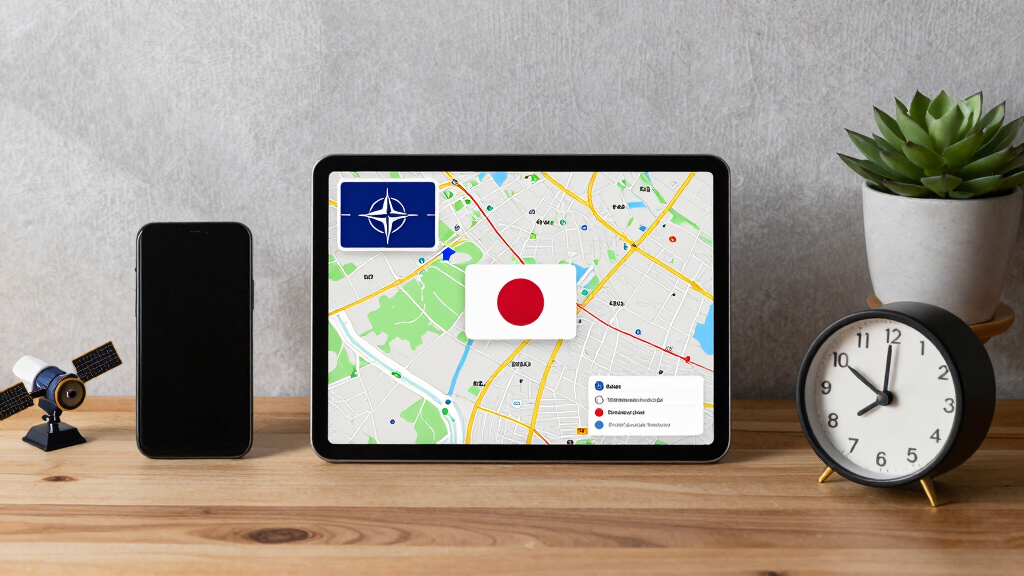
Japan is negotiating with NATO to participate in the DIANA defense startup accelerator, a move that would be unprecedented for a non-member country. The talks are ongoing, with official confirmation received recently.
NATO is in talks with Japan to include the country in its defense startup accelerator program, officials confirmed Friday, marking a historic first for a non-member nation.
According to NATO Assistant Secretary General Tarja Jaakkola, Japan has approached the alliance about participating in the Defense Innovation Accelerator for the North Atlantic (DIANA). This initiative supports emerging defense technology startups across NATO member countries. The discussions are still underway, and no formal agreement has been announced.
Japan’s interest in joining the program indicates a strategic move to enhance its defense innovation capabilities and deepen security cooperation with NATO allies. It would be the first time a non-NATO country is formally involved in DIANA, reflecting Japan’s growing emphasis on technological development in defense.
Why It Matters
This development is significant because it signals a potential shift in NATO’s engagement with non-member countries, expanding its innovation partnerships beyond traditional borders. For Japan, participation could bolster its defense technology sector and strengthen security ties with Western allies amid regional tensions in Asia. For NATO, it represents an effort to include key partners in technological innovation, which is increasingly central to modern defense strategies.
As an affiliate, we earn on qualifying purchases.
Background
NATO’s DIANA program was launched in 2021 to foster collaboration among member states’ defense startups. Japan has historically maintained a cautious stance on military alliances but has been expanding its security cooperation, especially with the United States and regional partners. This move aligns with Japan’s recent efforts to modernize its defense policies and integrate advanced technologies.
Previous discussions about Japan’s participation have focused on broader security cooperation, but this is the first confirmed official move toward involvement in NATO’s innovation initiatives. The talks come amid rising regional tensions and technological competition in the Indo-Pacific and beyond.
“Japan has approached NATO about participating in the DIANA program, and discussions are ongoing.”
— Tarja Jaakkola, NATO Assistant Secretary General
As an affiliate, we earn on qualifying purchases.
What Remains Unclear
It is not yet clear whether Japan’s participation will be finalized or what specific roles or commitments would be involved. The details of the arrangement, including any formal agreements, are still being negotiated and have not been publicly disclosed.
military technology development tools
As an affiliate, we earn on qualifying purchases.
As an affiliate, we earn on qualifying purchases.
What’s Next
NATO and Japan are expected to continue negotiations over the coming months, with potential announcements once an agreement is reached. Observers will be watching for formal confirmation of Japan’s involvement and any implications for regional security cooperation.
As an affiliate, we earn on qualifying purchases.
Key Questions
What is the DIANA program?
DIANA (Defense Innovation Accelerator for the North Atlantic) is a NATO initiative launched in 2021 to support defense startups and foster technological innovation among member states.
Why is Japan’s participation significant?
It would be the first time a non-NATO country joins the program, marking a potential expansion of NATO’s technological partnerships beyond its traditional member base.
What are the potential benefits for Japan?
Participation could enhance Japan’s defense innovation capabilities, foster international security cooperation, and give access to NATO’s network of startups and technological resources.
When might an official announcement be made?
It is not yet certain; negotiations are ongoing, and an announcement could occur in the coming months once details are finalized.
Could this impact regional security dynamics?
Yes, it could strengthen Japan’s security posture and deepen cooperation with Western allies, potentially influencing regional security arrangements, especially amid rising tensions in Asia and Europe.
Halloween Picks
halloween
As an affiliate, we earn on qualifying purchases.