
📊 Full opportunity report: Tracking Consumer Interest In Food Safety And Meat Inspection on IdeaNavigator AI — validation score, market gap, and execution plan.

Prime made for students and young adults
- Fast, free delivery for dorm and study essentials
- Prime Video and Amazon Music included
- Member-only deals
TL;DR
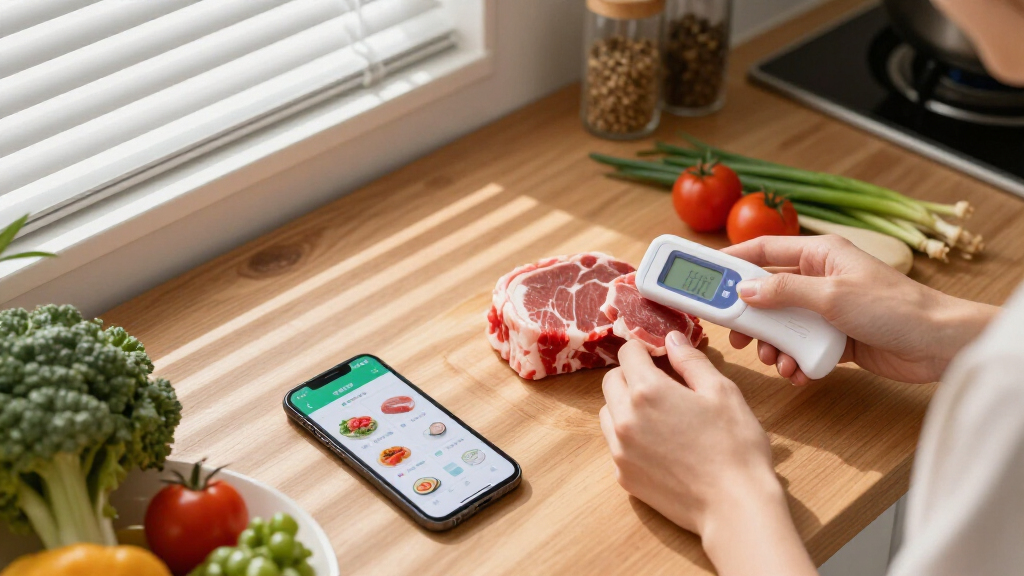
A targeted monitoring system now tracks consumer interest in food safety issues, including uninspected beef, pork, and goat recalls. This development aims to enable food brands to respond more quickly to emerging risks, with early signals surfacing via Google Trends and similar feeds.
A new monitoring system is being designed to track consumer interest in food safety issues, specifically focusing on early signals like uninspected beef, pork, and goat recalls. This initiative aims to help product and marketing leads at food and beverage brands respond more swiftly to emerging risks, which are currently scattered across news outlets, forums, and regulatory filings.
Recent analysis indicates that food safety concerns, such as uninspected meat recalls, are gaining prominence in consumer discussions and industry alerts. Google Trends has surfaced a high signal score—88 out of 100—for searches related to “uninspected beef pork goat recall,” highlighting the increasing importance of early detection tools. Currently, food and beverage companies struggle to track these developments promptly because relevant information is dispersed across multiple sources with no filtering mechanism tailored to their roles.
In response, developers are working on a focused monitor that scans platforms like Google Trends for relevant food trends, launches, and recalls, filtering results to what impacts product or marketing decisions. The goal is to convert each relevant signal into a concise brief—explaining what changed, why it matters, and recommended actions—delivered in real-time. This approach aims to provide a role-specific, immediate insight into emerging risks, enabling faster decision-making and potentially reducing the impact of food safety incidents.
Market validation involves delivering these briefs to five food or beverage product or marketing leads, then measuring whether the information influences decisions or prompts sharing within their organizations. The subscription-based model targets companies seeking early alerts on food safety issues to maintain consumer trust and regulatory compliance.
Why Early Detection of Food Safety Signals Matters
This development represents a significant step toward improving food safety management by enabling companies to respond proactively rather than reactively. Early awareness of issues like uninspected meat recalls can prevent contaminated products from reaching consumers, reducing health risks and potential brand damage. Additionally, faster responses can help companies comply with regulatory requirements and avoid costly recalls or legal liabilities. The ability to filter and interpret signals quickly aligns with the increasing speed of food industry news cycles and consumer concerns, making this tool potentially transformative for risk management.
As an affiliate, we earn on qualifying purchases.
Background on Food Recall Monitoring and Industry Challenges
Traditionally, food safety alerts and recalls have been tracked through official notices from regulatory agencies, news outlets, and industry forums. However, the rapid pace of news dissemination and the scattered nature of relevant information have made it difficult for companies to stay ahead of emerging risks. Recent incidents involving uninspected meat—such as beef, pork, and goat—have underscored the need for more agile detection methods. Google Trends and social media platforms have shown increasing consumer interest in food safety topics, signaling a shift toward real-time, role-specific monitoring as a vital component of risk mitigation strategies.
Developers and industry analysts are now exploring tools that can sift through vast amounts of data, identify relevant signals, and deliver actionable insights tailored to decision-makers in the food sector. This approach aims to bridge the gap between raw information and timely, effective responses, which has been a longstanding challenge in food safety management.
As an affiliate, we earn on qualifying purchases.
Unclear Impact and Adoption of New Monitoring Tools
It remains uncertain how quickly and widely these monitoring tools will be adopted by food and beverage companies. While early signals like the 88/100 score on Google Trends suggest rising interest, there is no definitive data yet on how these insights will influence actual decision-making or reduce recall incidents. Additionally, the effectiveness of filtering algorithms and the accuracy of relevance assessments are still being tested in real-world scenarios. Industry feedback and pilot programs are ongoing to evaluate these aspects, but comprehensive validation is not yet available.
As an affiliate, we earn on qualifying purchases.
Next Steps for Implementing and Validating Food Safety Signal Monitors
Developers plan to conduct pilot tests with five targeted companies, delivering role-filtered briefs based on emerging signals. The goal is to measure whether these insights prompt decision changes or internal sharing, and to refine filtering algorithms accordingly. Further, broader industry validation will involve expanding the user base and integrating additional data sources such as regulatory filings and social media. Monitoring the impact of early alerts on recall prevention and consumer safety will be a key focus in the coming months, alongside efforts to improve the accuracy and timeliness of signals.
As an affiliate, we earn on qualifying purchases.
Key Questions
How does the new monitoring system identify relevant food safety signals?
The system scans platforms like Google Trends and social media for keywords and patterns related to food safety concerns, then filters these signals based on relevance to specific roles, such as product or marketing leads.
Will this tool prevent food recalls before they happen?
While it aims to provide early warnings that can help companies respond proactively, it cannot guarantee the prevention of all recalls. Its effectiveness depends on the accuracy of signals and timely action by companies.
What types of food safety issues will it cover?
The initial focus is on uninspected meat recalls, including beef, pork, and goat, but the system is designed to expand to other food safety concerns as it develops.
When will this monitoring system be available for industry use?
Developers are currently testing pilot programs with select companies. A broader rollout is expected once validation confirms its effectiveness, likely within the next few months.
How will companies know if the alerts are accurate and useful?
Through ongoing validation with pilot users and feedback collection, developers aim to refine the filtering algorithms and ensure the alerts are timely, relevant, and actionable.
Source: IdeaNavigator AI
Fall Picks
fall essentials
As an affiliate, we earn on qualifying purchases.