TL;DR

Prime made for students and young adults
- Fast, free delivery for dorm and study essentials
- Prime Video and Amazon Music included
- Member-only deals
An Australian teen-led team has designed an affordable radio astronomy kit for schools, aiming to expand access to space science education. The project addresses cost barriers that have limited rural and underfunded schools’ participation in astronomy.
A team of Australian teenagers has created an affordable radio astronomy kit designed specifically for schools, aiming to democratize access to space science education and inspire the next generation of scientists.
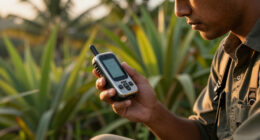
The group, composed of high school students from various regions in Australia, developed the radio telescope kit as part of a youth STEM initiative. The device is significantly cheaper than commercially available options, with a focus on ease of assembly and use in classroom settings. The team secured funding through local grants and partnered with educational organizations to pilot the kits in select rural schools. Early testing indicates the kits are capable of detecting basic radio signals from space, providing a hands-on learning experience. The project is still in the prototype stage, with plans to refine the design based on feedback from educators and students.
According to team spokesperson and project leader Emily Carter, the goal is to ‘break down the financial barriers that prevent many schools from engaging with radio astronomy.’ The kits utilize off-the-shelf components and open-source software, reducing costs and complexity. The team has also developed accompanying educational materials to help teachers integrate the technology into their science curricula.
Why It Matters
This development is significant because it addresses a longstanding barrier to STEM education—cost. By making radio astronomy equipment affordable and accessible, the project could enable more students in rural and underfunded schools to participate in space science activities. This could inspire increased interest in STEM careers and diversify the pipeline of future scientists and engineers. Furthermore, the initiative exemplifies youth-led innovation and community-driven solutions to educational disparities.
radio telescope kit for students
As an affiliate, we earn on qualifying purchases.
As an affiliate, we earn on qualifying purchases.
Background
Radio astronomy has traditionally required expensive, complex equipment, limiting its use primarily to universities and research institutions. Recent advances in affordable electronics and open-source software have begun to lower these barriers, but cost remains a challenge for many schools. The Australian team’s project builds on this trend, aiming to bring practical radio astronomy tools into classrooms. Similar efforts have been undertaken internationally, but few have been led by students at such an early stage of development.
“Our goal is to make radio astronomy accessible to everyone, especially schools in rural areas where resources are limited.”
— Emily Carter, project leader
“Affordable, easy-to-use radio telescopes can transform STEM learning by providing practical, engaging experiences for students.”
— Dr. Liam Nguyen, educational technology expert
As an affiliate, we earn on qualifying purchases.
What Remains Unclear
It is not yet clear how widely the kits will be adopted or how they will perform in diverse classroom environments. The project remains in the prototype phase, and further testing and funding are needed for large-scale deployment.
As an affiliate, we earn on qualifying purchases.
What’s Next
The team plans to conduct further testing in schools over the coming months, gather feedback, and refine the design. They aim to launch a crowdfunding campaign to support mass production and distribution. Additionally, they will seek partnerships with educational authorities to integrate the kits into science curricula nationwide.
DIY radio telescope educational kit
As an affiliate, we earn on qualifying purchases.
As an affiliate, we earn on qualifying purchases.
Key Questions
How affordable is the radio astronomy kit?
The team estimates the cost at under AUD 200 per kit, using off-the-shelf components and open-source software, significantly cheaper than commercial alternatives.
Can the kit detect signals from space?
Initial tests suggest the kit can detect basic radio signals from space, providing a practical learning experience for students.
Is the project only for Australian schools?
While the project is currently focused on Australian schools, the design and educational materials are open-source, allowing for potential international adoption.
When will the kits be available for schools?
The team plans to move toward mass production after completing further testing and securing additional funding, which could take several months.
Fall Picks
fall essentials
As an affiliate, we earn on qualifying purchases.