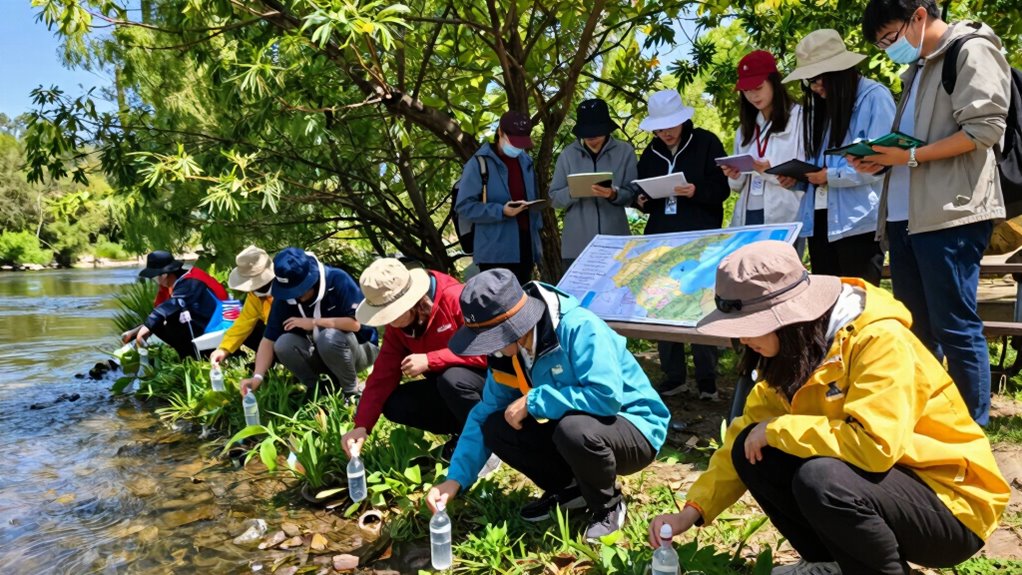

Citizen science boosts real research by involving volunteers to collect accurate, high-quality data through standardized methods. Your participation helps fill gaps that traditional studies can’t reach, especially in areas with limited resources. It also promotes collaboration, giving you a chance to contribute local knowledge and insights. With tools like apps and community events, your efforts support long-term projects and effective data communication. Keep exploring to discover how your involvement can make a real difference in scientific progress.
Prime for Young Adults — start your free trial
Fast free delivery, streaming and member deals for eligible 18–24 year olds.
As an affiliate, we earn on qualifying purchases.
Key Takeaways
- Citizen science enhances data accuracy through standardized protocols and rigorous training, ensuring reliable research data.
- Volunteers help fill research gaps, enabling comprehensive analysis of environmental trends and long-term studies.
- Active participation fosters community ownership, collaboration, and the use of tools like apps to expand research scope.
- Local knowledge from volunteers enriches research relevance, providing insights into subtle environmental changes.
- Visual and data communication improvements, along with public engagement, increase trust and societal impact of scientific findings.
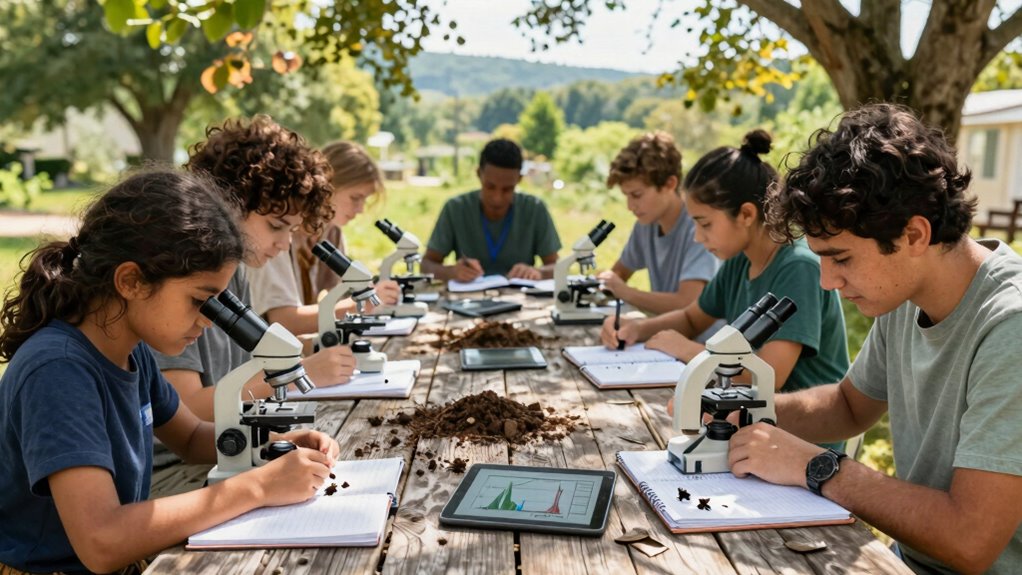
Citizen science has transformed the way we approach research by actively involving everyday people in scientific discovery. When you participate, you become part of a larger effort to gather meaningful data that can influence real-world decisions. One of the key ways citizen science contributes to authentic research is through improving data accuracy. While some might worry that volunteer-collected data isn’t reliable, many projects implement rigorous training and standardized protocols to guarantee quality. Your participation, when guided properly, helps create datasets that are both extensive and precise, enabling scientists to analyze trends and patterns with greater confidence. As you contribute, you also help fill gaps that traditional research methods might miss due to limited resources or geographic constraints.
Citizen science improves data accuracy through training and protocols, helping fill research gaps and enabling better analysis.
Volunteer engagement is at the heart of citizen science’s success. When you get involved, you’re not just a passive observer; you’re an active collaborator. This engagement fosters a sense of ownership and responsibility, motivating you to provide thorough, consistent observations. Many projects incorporate tools like mobile apps, online platforms, and community events to make participation easier and more enjoyable. Your enthusiasm and commitment help sustain long-term projects, which often require continuous data collection over extended periods. As more people join, the collective effort amplifies the scope of research, allowing for larger datasets that would be impossible for scientists to gather alone. Additionally, standardized protocols ensure that the data collected from diverse volunteers remains comparable and reliable. The use of training and educational resources further enhances data quality by equipping volunteers with the necessary skills and knowledge. Incorporating quality assurance measures also helps maintain high standards across various datasets. Furthermore, understanding data validation techniques can help volunteers recognize and correct potential errors in their observations, strengthening the overall reliability of the data.
Moreover, volunteer engagement brings diverse perspectives and local knowledge into the scientific process. You might notice subtle environmental changes in your area or provide insights that experts might overlook. This local input enriches the research, making it more extensive and applicable to real-world issues. When you actively participate, you’re helping to democratize science, making it accessible and relevant to communities. Your involvement also encourages transparency and trust, as people see how their contributions directly impact scientific understanding and policy decisions.
In addition, understanding the importance of contrast ratios and color accuracy in visual presentations can make your observations more reliable, especially when documenting environmental or ecological changes. When you actively participate, you’re helping to democratize science, making it accessible and relevant to communities. Your involvement also encourages transparency and trust, as people see how their contributions directly impact scientific understanding and policy decisions. Incorporating visual accuracy helps ensure that photographic or graphical data effectively communicate findings to both scientists and the public.
In essence, your role in citizen science isn’t just about collecting data—it’s about shaping genuine research that addresses pressing challenges. When your efforts are combined with others’, the collective impact becomes powerful. You help improve data accuracy through careful observation, and your engagement ensures the sustainability and relevance of scientific projects. This collaborative approach bridges the gap between scientists and the public, making research more inclusive and effective. So, by participating, you’re not only advancing science but also empowering yourself and your community to be part of meaningful change.
citizen science data collection tools
As an affiliate, we earn on qualifying purchases.
As an affiliate, we earn on qualifying purchases.
Frequently Asked Questions
How Do Citizen Scientists Ensure Data Accuracy?
You guarantee data accuracy by focusing on data validation and participant reliability. Follow clear instructions, double-check your observations, and use standardized tools or methods whenever possible. Collaborate with other citizen scientists to cross-verify data, and stay consistent in your recording techniques. The project coordinators often review submitted data to identify anomalies, helping maintain overall reliability. Your careful attention and adherence to guidelines play a vital role in producing trustworthy research results.
What Training Is Provided to Citizen Scientists?
You receive training protocols designed to develop your skills and guarantee accurate data collection. These protocols often include detailed instructions, demonstrations, and practice sessions to help you understand the project’s goals and methods. By participating in skill development activities, you learn how to properly record observations or collect samples, which improves the overall quality of the data you contribute. This structured training makes sure your efforts support meaningful research results.
How Are Citizen Science Projects Funded?
You can find that citizen science projects are funded through a mix of funding sources like government grants, non-profit organizations, private sponsors, and crowdfunding campaigns. These diverse sources help guarantee project sustainability by providing ongoing financial support. Your participation often helps attract attention and funding, making these projects more sustainable over time. This mix of funding sources ensures the research continues and the projects remain impactful and viable.
Can Citizen Science Influence Policy Decisions?
Yes, citizen science can influence policy decisions through increased public engagement. When you participate in citizen science projects, your data and insights can catch policymakers’ attention, demonstrating community support and real-world impact. This direct involvement helps shape policies by providing evidence that reflects public interests. Your active participation amplifies the policy impact, ensuring that decision-makers consider citizen contributions when creating or updating regulations, leading to more informed, community-driven policies.
What Ethical Considerations Are Involved in Citizen Science?
You should consider ethical issues like participant motivation and data privacy in citizen science. Ensuring volunteers are genuinely motivated and not coerced is essential, as is protecting their personal information. Transparency about how data is used and stored builds trust. You must obtain informed consent and respect participants’ rights, making sure they understand their involvement is voluntary and their privacy is safeguarded throughout the research process.
As an affiliate, we earn on qualifying purchases.
Conclusion
As you’ve seen, citizen science isn’t just about helping amateurs; it’s transforming real research in ways you might never have imagined. The questions it raises and the discoveries it sparks could change everything—if you’re willing to get involved. The next breakthrough could be just a project away, and your contribution might hold the key. So, are you ready to make an impact and be part of something bigger than yourself? The future of science might depend on it.
volunteer scientific research kits
As an affiliate, we earn on qualifying purchases.
As an affiliate, we earn on qualifying purchases.
community science project supplies
As an affiliate, we earn on qualifying purchases.
As an affiliate, we earn on qualifying purchases.
Fall Picks
fall essentials
As an affiliate, we earn on qualifying purchases.