
TL;DR
Recent studies confirm the presence of microplastics in human tissues, raising health concerns. However, the full extent and effects remain uncertain. This report clarifies what is known and what is still unknown.
Multiple scientific studies published in 2023 and early 2024 have confirmed the presence of microplastics in human tissues, including the lungs, stomach, and even blood. This development marks a significant step in understanding the potential health impacts of environmental microplastics, which are pervasive in the environment and food supply.
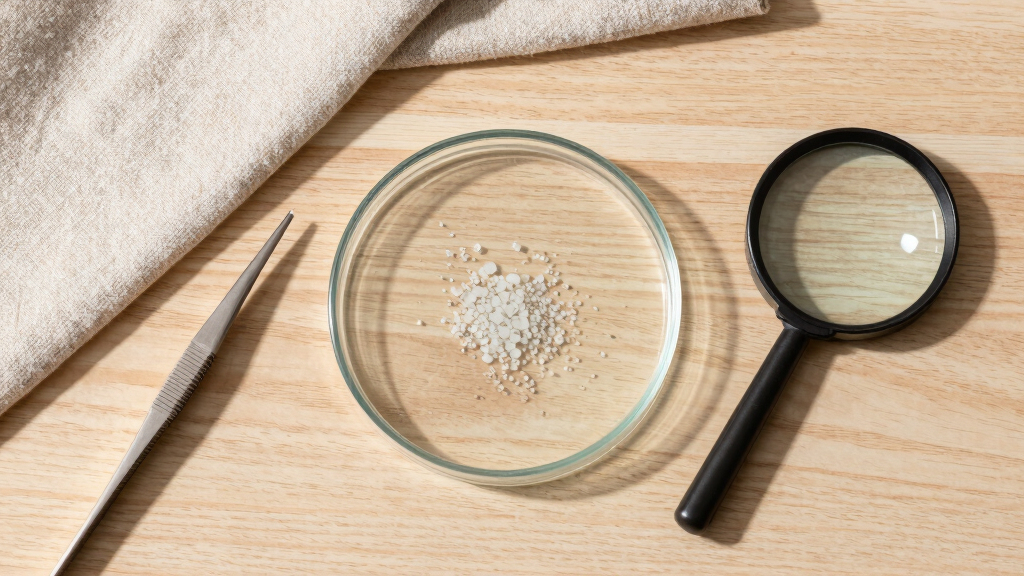
Research led by institutions such as the University of Newcastle and the University of Barcelona has identified microplastic particles in human tissues during autopsies and biopsies. These studies are part of the broader field of environmental health research, which you can explore in environmental innovations. These particles, often smaller than 5 millimeters, originate from various sources including seafood, bottled water, and air pollution. The studies used advanced microscopy and chemical analysis techniques to detect and characterize these particles.
While the presence of microplastics in humans is now confirmed, the health implications remain uncertain. For insights into how AI is influencing scientific research and health studies, see Waves, Not a Wall. Experts warn that microplastics could potentially cause inflammation, cellular damage, or carry toxic chemicals, but definitive evidence linking them to specific health conditions is lacking. For a deeper look into how AI systems are improving scientific understanding, see When AI Builds Itself. Regulatory agencies like the World Health Organization have called for more research to determine risks.
Implications of Microplastics in Human Health
This discovery is significant because it confirms that microplastics do not just contaminate the environment but also enter the human body. The potential for microplastics to cause health issues raises concerns about long-term exposure, especially given their ubiquity. Understanding these impacts could influence public health policies, food safety standards, and pollution control measures.

Advanced Microplastics in Water Test Kit | Specialized EPA Certified Drinking Water Labs | 100% Unbiased
- Recommended for Microplastics Testing: Targeted microplastics detection in water
- Detailed Microplastic Analysis: Size and polymer type breakdown
- Includes Common Plastic Types: Polyethylene, polypropylene, PVC, polystyrene
As an affiliate, we earn on qualifying purchases.
As an affiliate, we earn on qualifying purchases.
Microplastic Pollution and Human Exposure Pathways
Microplastic pollution has been a growing environmental concern for over a decade, with sources including plastic waste, synthetic textiles, and degraded packaging. Human exposure occurs primarily through ingestion of contaminated food and water, inhalation of airborne particles, and possibly dermal contact. Prior to these tissue studies, microplastics had been detected in seafood, drinking water, and even in the air in urban areas.
Recent research efforts have shifted toward understanding whether these particles can accumulate in human tissues, with initial findings published in 2023 confirming their presence. These findings follow earlier animal studies suggesting potential health risks, but human data has been limited until now.
“We are calling for further research to assess the potential health risks associated with microplastic exposure in humans.”
— WHO spokesperson

FIGHTECH Dust Mask – Reusable Face Mask with Carbon Filters & Air Valves for Woodworking, Construction & Moving (Black Single, Large)
- Breathable Air Filtration: Protects against dust, pollen, fumes, irritants
- Versatile Usage: Suitable for woodworking, painting, cleaning, running
- Enhanced Fit & Comfort: Earloop design prevents slipping, reduces heat buildup
As an affiliate, we earn on qualifying purchases.
As an affiliate, we earn on qualifying purchases.
Unanswered Questions About Microplastic Health Effects
It remains unclear whether microplastics cause specific health conditions or if they pose a significant risk at typical exposure levels. The long-term effects of microplastic accumulation in human tissues are not yet known, and research is ongoing to determine potential toxicity, inflammatory responses, or chemical transfer mechanisms.
Additionally, the extent of microplastic infiltration in different tissues and populations is still being studied, and it is uncertain whether certain groups, such as children or vulnerable populations, face higher risks.

Aquagear Water Filter Pitcher – Lead, Chlorine, PFOA/PFOS, Microplastics Filter, 10 Cup, 120 Gallon Filter Life – Filter Media Made in USA
- High Contaminant Removal: Removes 20X more contaminants
- Selective Mineral Retention: Keeps beneficial minerals like calcium and magnesium
- Long-Lasting Filter: Filters up to 120 gallons, 3X longer
As an affiliate, we earn on qualifying purchases.
As an affiliate, we earn on qualifying purchases.
Upcoming Research and Policy Developments
Researchers plan to conduct longitudinal studies to track health outcomes over time in populations with high microplastic exposure. Regulatory agencies are considering updating safety guidelines for drinking water, food, and air quality standards based on emerging evidence. Public health advisories may evolve as more data becomes available.
In the near future, expect increased monitoring of microplastic levels in food and environment, and potential policy discussions on reducing plastic waste and limiting human exposure.

Detekt® Home, Kitchen & Appliance Microbial Test Kit – Mold & Bacteria
- Laboratory-Grade Technology: Backed by 20+ years of scientific expertise
- DIY Home Testing: No mailing or lab analysis needed
- Surface & Water Testing: Check cleaning effectiveness on various surfaces
As an affiliate, we earn on qualifying purchases.
As an affiliate, we earn on qualifying purchases.
Key Questions
Are microplastics in my food and water dangerous?
Currently, there is no definitive evidence that microplastics at typical exposure levels cause health problems. More research is needed to understand potential risks.
How do microplastics enter the human body?
Primarily through ingestion of contaminated food and water, inhalation of airborne particles, and possibly through skin contact, especially in polluted environments.
What health effects are linked to microplastic exposure?
At this stage, no direct health effects have been conclusively linked to microplastic exposure in humans, though animal studies suggest possible inflammation and cellular damage.
Will regulations change because of these findings?
Regulatory agencies are reviewing current guidelines and may implement stricter standards for plastics and pollutants as new evidence emerges.
Can microplastics be removed from the body?
There are no known methods to remove microplastics once they are in tissues; prevention of exposure remains the primary approach.
Source: hn