
New screening tools mean you can detect health issues earlier and more accurately than ever before. Advanced methods like genetic marker analysis and AI-powered imaging quickly identify risks with less invasive procedures, making screening more accessible and comfortable. These innovations help catch diseases early, increasing your chances for successful treatment. As technology continues to improve, you’ll find even more ways to stay proactive about your health—there’s much more to discover beyond the basics.

Prime made for students and young adults
- Fast, free delivery for dorm and study essentials
- Prime Video and Amazon Music included
- Member-only deals
Key Takeaways
- Advanced genetic and AI technologies enable earlier and more accurate disease detection.
- Less invasive methods like blood tests increase screening accessibility and patient comfort.
- AI algorithms quickly analyze large data sets, identifying subtle early signs of health issues.
- Improved screening tools facilitate proactive health management and personalized prevention strategies.
- Broader access to early detection reduces disparities and enhances overall health outcomes.
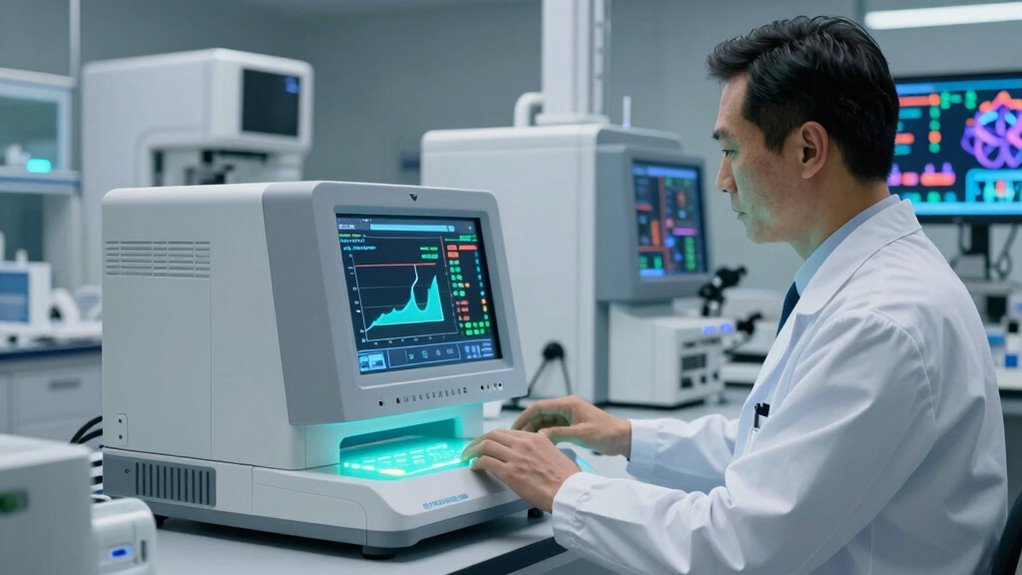
Early detection of health issues can markedly improve outcomes, and screening tools are essential in identifying potential problems before symptoms appear. Advances in technology have transformed these tools, making them more accurate, personalized, and accessible. One of the most notable developments is the integration of genetic markers into screening processes. By analyzing specific genes or mutations, you can now identify your risk for certain diseases long before symptoms show. For example, genetic testing can reveal predispositions to cancers like breast or ovarian, enabling you to take preventive measures early. This personalized approach shifts the focus from reactive treatment to proactive health management, giving you more control over your well-being.
Artificial intelligence (AI) is another game-changer in early detection. AI algorithms can process vast amounts of data rapidly, identifying patterns and risk factors that might go unnoticed by traditional methods. When combined with genetic marker analysis, AI enhances the precision of screening tools. For instance, AI-powered imaging systems can detect early signs of tumors or other anomalies with remarkable accuracy, often before a human eye might notice anything unusual. This synergy allows for earlier intervention, which can considerably improve treatment success rates. Additionally, AI-driven models are continually learning and improving, meaning their predictions become more reliable over time.
These new screening tools do more than just improve accuracy; they also make screening more accessible and less invasive. For example, blood tests that analyze genetic markers are now less invasive than traditional biopsies, reducing discomfort and risk. Likewise, AI applications integrated into mobile health devices can perform preliminary assessments, making screening available even in remote or underserved areas. This democratization of healthcare means you’re more likely to get timely screenings, regardless of where you live. As these tools become more widespread, you can expect earlier detection rates to increase, ultimately leading to better health outcomes and potentially saving lives.
In addition, incorporating interior design principles such as effective consultation preparation can help ensure that health environments are optimized for patient comfort and stress reduction, further supporting early detection efforts. Moreover, understanding the broader impact of philosophical insights on health can cultivate a mindset that emphasizes preventive care and personal responsibility. In essence, the combination of genetic markers and artificial intelligence is revolutionizing early detection. It’s no longer just about catching problems after they manifest but about predicting and preventing them altogether. As technology advances, the development of advanced screening tools continues to expand the possibilities for early diagnosis and intervention. By leveraging these technological advances, you’re empowered to take proactive steps in your health journey. These innovations promise not only higher accuracy but also greater convenience, making early detection more effective and accessible than ever before. As you navigate your health, understanding and utilizing these cutting-edge screening tools can be a key part of maintaining a healthier, longer life.
genetic testing kit for disease risk
As an affiliate, we earn on qualifying purchases.
As an affiliate, we earn on qualifying purchases.
Frequently Asked Questions
How Accurate Are New Screening Tools Compared to Traditional Methods?
New screening tools are generally more accurate than traditional methods, but they still face technology limitations. You might experience fewer false negatives, catching more early cases. However, false positives can occur, leading to unnecessary anxiety or tests. While these tools improve detection, it’s important to understand that no method is perfect. You should always discuss results with your healthcare provider to interpret them correctly and determine the best next steps.
Are These Screening Tools Cost-Effective for Widespread Use?
Yes, these screening tools are often cost-effective for widespread use. You should consider the cost analysis, which shows they can reduce long-term healthcare expenses by catching issues early. They also optimize resource allocation, allowing you to focus on high-risk populations and prevent costly treatments later. While initial investments may be higher, the overall savings and improved health outcomes make them a smart choice for broad implementation.
What Populations Benefit Most From These Early Detection Tools?
Populations experiencing persistent disparities benefit most from these early detection tools. You might find that underserved communities face access barriers, making early diagnosis a challenge. These innovative tools help bridge gaps by detecting issues sooner, especially for vulnerable groups. By focusing on populations with significant disparities, you can improve health outcomes and promote equity, ensuring that everyone has a fair shot at early intervention and effective treatment.
How Soon Can These Screening Tools Be Integrated Into Routine Healthcare?
You can expect screening implementation to begin within the next few years, as researchers and healthcare providers work on validation and regulatory approval. Healthcare integration will be gradual, starting with specialized clinics and expanding into primary care settings. Early adoption depends on demonstrating effectiveness and cost-efficiency. Overall, you’ll see these tools becoming part of routine healthcare, improving early detection and treatment outcomes for more patients over the next several years.
What Are the Potential Risks or Limitations of New Screening Technologies?
You should be aware that new screening technologies can produce false positives, leading to unnecessary stress or treatments. Privacy concerns also arise, as sensitive health data might be vulnerable to breaches or misuse. These limitations mean you need to weigh the benefits against potential risks, stay informed about how your data is protected, and discuss any concerns with your healthcare provider to make the most informed choices about early detection.
AI-powered health screening device
As an affiliate, we earn on qualifying purchases.
As an affiliate, we earn on qualifying purchases.
Conclusion
With these new screening tools, you’re empowered to catch health issues early, potentially saving lives and reducing treatment costs. Imagine a future where diseases are caught before symptoms even appear—doesn’t that make early detection seem like a game-changer? By embracing these innovations, you’re taking a proactive step toward better health outcomes. So, aren’t you ready to see how these advancements can transform your approach to wellness and prevention?
less invasive blood test for health screening
As an affiliate, we earn on qualifying purchases.
As an affiliate, we earn on qualifying purchases.
personalized health risk assessment tools
As an affiliate, we earn on qualifying purchases.
As an affiliate, we earn on qualifying purchases.
Halloween Picks
halloween
As an affiliate, we earn on qualifying purchases.