
Microneedle patches are changing how we think about injections by making them nearly painless and less intimidating. They work by delivering drugs through tiny, minimally invasive needles that penetrate the skin’s outer layer without reaching nerves or blood vessels, reducing discomfort and fear. This innovative approach helps improve treatment adherence and eases needle anxiety. If you want to discover how these patches can transform healthcare, there’s much more to uncover.
Key Takeaways
- Microneedle patches deliver vaccines painlessly, reducing needle anxiety and fear associated with traditional injections.
- They create microchannels that bypass nerves, making the process virtually painless and less intimidating.
- Their easy, self-administrable design helps individuals avoid distress from needle phobia.
- Painless delivery encourages higher vaccination rates and treatment adherence, overcoming fear barriers.
- The minimally invasive nature of microneedle patches promotes a more comfortable healthcare experience for all users.
How Microneedle Patches Work

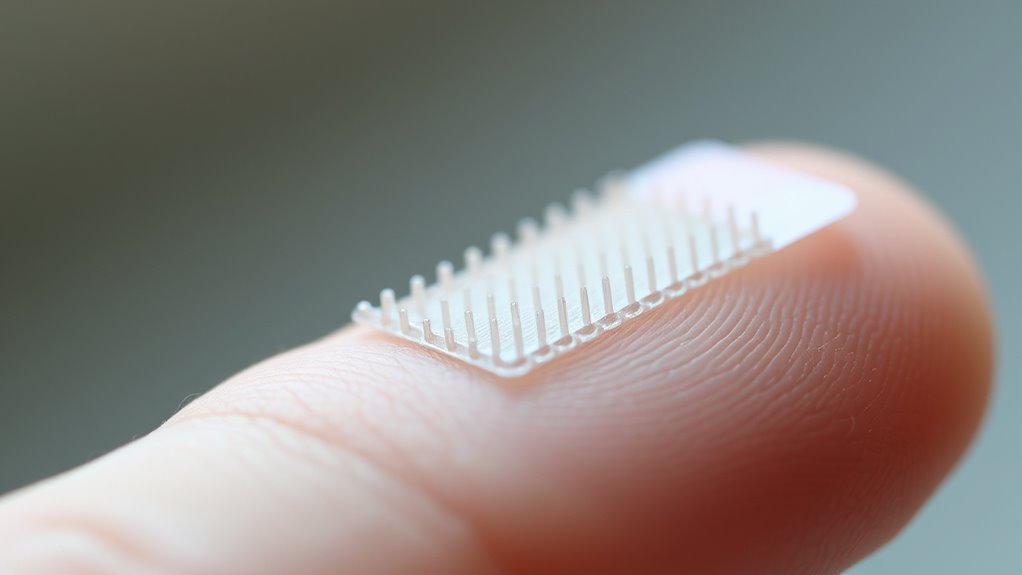
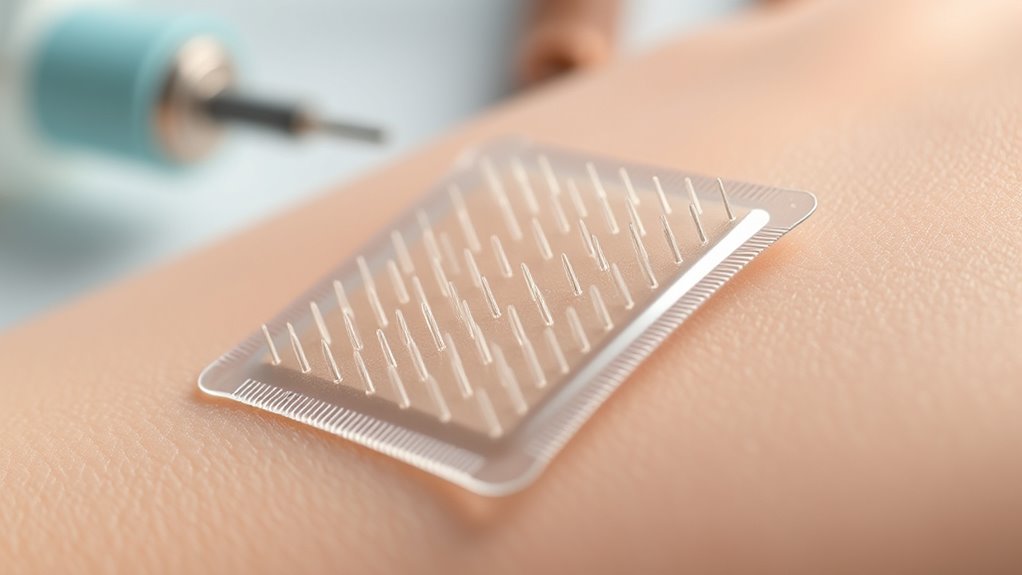
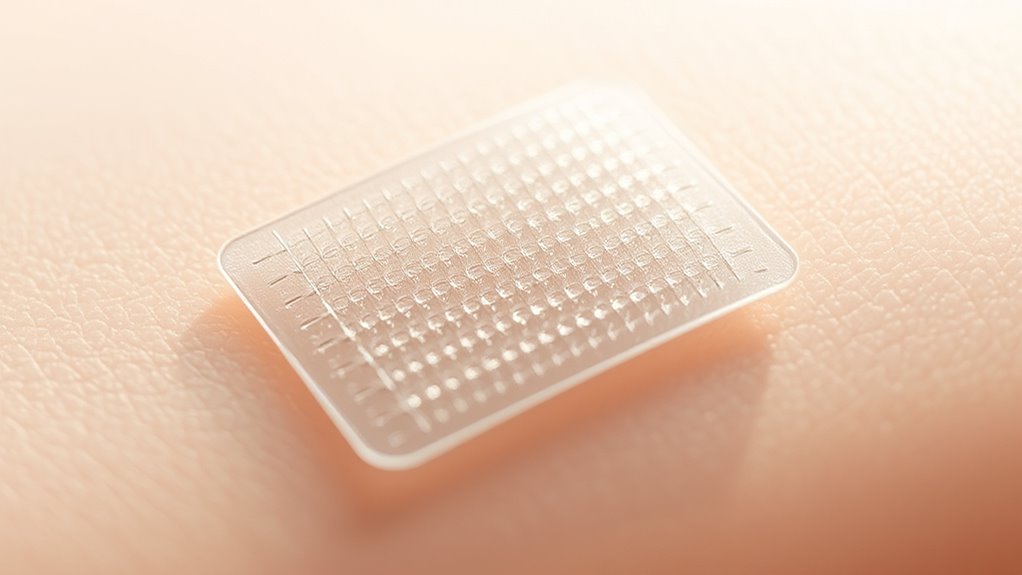
Microneedle patches work by delivering drugs through tiny, minimally invasive needles that penetrate the skin’s outer layer. The needle design is vital; they are short, sharp, and precisely engineered to pass through the stratum corneum without reaching nerves or blood vessels. This design enhances skin permeability, allowing medication to enter effectively without causing pain or bleeding. The needles create microchannels that facilitate better absorption of drugs directly into the underlying tissues. Because these patches are designed to be minimally invasive, they reduce discomfort compared to traditional injections. The concepts of skin permeability and needle length are crucial for maximizing efficacy while minimizing skin damage. By focusing on ideal needle length and sharpness, microneedle patches maximize skin permeability while minimizing skin damage. This innovative delivery method ensures efficient drug absorption with less stress and inconvenience for you.
Benefits Over Traditional Needles
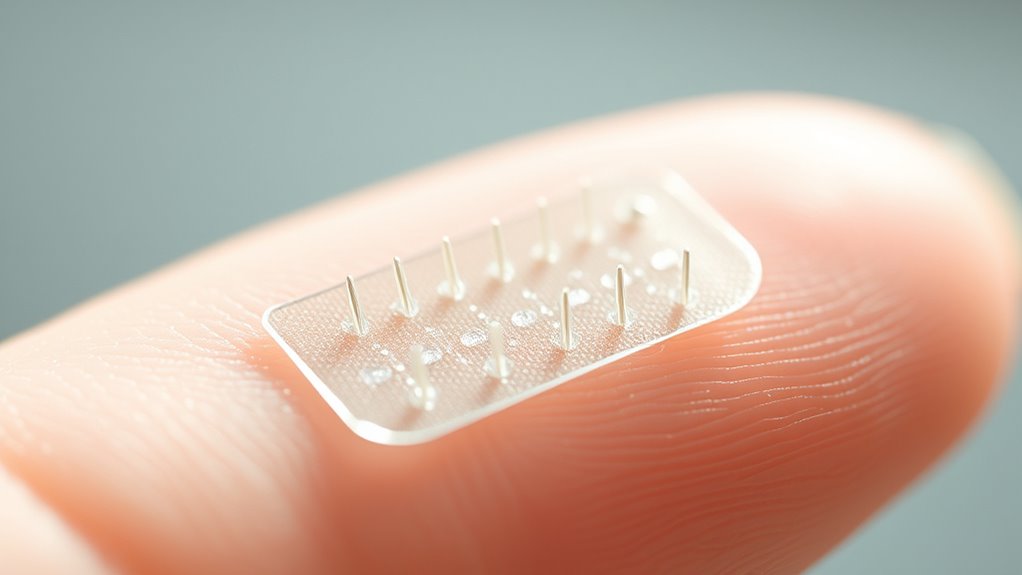
With microneedle patches, you experience a pain-free way to get vaccines or medication, making injections much more comfortable. They also help reduce needle anxiety, so fewer people hesitate to seek necessary treatments. Overall, these patches offer a gentler, less stressful alternative to traditional needles. Additionally, the use of advanced technology in microneedle patches ensures effective delivery of medication while minimizing discomfort.
Painless Administration Method
Unlike traditional needles, microneedle patches offer a painless way to deliver vaccines and medications. You won’t experience the discomfort or fear associated with sharp needles. This method is especially beneficial for cosmetic applications, where precision and comfort matter. Microneedle patches are designed to penetrate the skin minimally, causing little to no pain. This makes them ideal for individuals with needle phobia or sensitive skin. They also reduce the risk of infection and skin trauma. For cosmetic applications, such as anti-aging treatments or skin rejuvenation, painless delivery means easier and more consistent procedures. Overall, microneedle patches provide a comfortable, efficient, and less intimidating alternative to traditional injection methods, making healthcare and cosmetic treatments more accessible and stress-free. Additionally, advances in digital asset integration are helping to fund research and development of innovative drug delivery systems like microneedle patches.
Reduced Needle Anxiety
Because traditional needles often cause fear and anxiety, many people hesitate to receive necessary treatments. Microneedle patches help reduce needle anxiety by offering a less intimidating alternative. The small, painless design minimizes discomfort, leading to significant fear reduction. As a result, patients feel more comfortable during injections, encouraging compliance with medical recommendations. The ease of use and minimal invasiveness make the experience less stressful, especially for those with needle phobia. By removing the fear factor, microneedle patches improve overall patient comfort, making routine treatments or vaccinations more accessible. Additionally, understanding divorce statistics and regional legal resources can help individuals navigate medical and legal transitions more effectively. This reduction in needle anxiety not only benefits individual well-being but also supports public health efforts by increasing vaccination rates and adherence to treatment plans.
Advances in Microneedle Technology
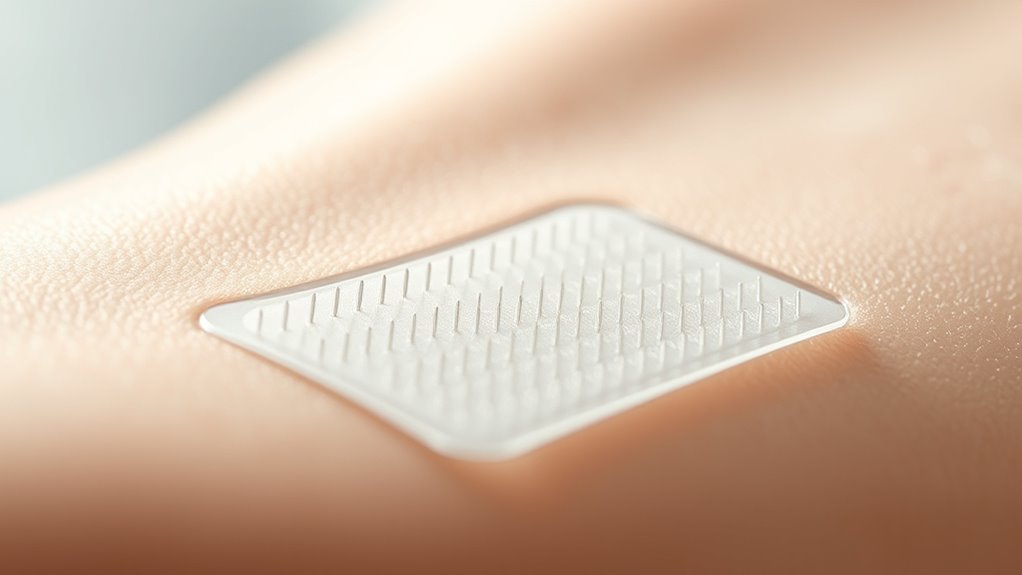
Recent advances in microneedle technology make drug delivery even easier and more comfortable. You can now benefit from minimally invasive methods that improve absorption and reduce discomfort. These innovations are transforming vaccination and medication administration by making it pain-free and efficient.
Minimally Invasive Delivery
Advances in microneedle technology have revolutionized minimally invasive drug delivery, making treatments faster and less painful. You can now apply medications topically, allowing the microneedles to penetrate the skin’s surface without causing significant discomfort. This method enhances skin permeability, enabling drugs to reach deeper layers effectively. Imagine:
- Tiny needles creating microchannels that bypass the outer skin barrier.
- A painless, quick application that feels like a gentle press.
- Precise delivery directly into targeted tissue, reducing systemic side effects.
- Ethical considerations are also being addressed to ensure patient safety and informed consent in the deployment of microneedle patches.
These innovations mean your treatments are more efficient, less invasive, and comfortable. Whether for vaccines or medications, microneedle patches provide a seamless way to deliver drugs through the skin, transforming the way you experience healthcare.
Enhanced Drug Absorption
Enhanced drug absorption through microneedle technology has substantially improved how medications penetrate the skin. By creating microchannels, microneedles bypass the outermost barrier, allowing drugs to reach underlying tissues more directly. This increases absorption efficiency, meaning you get faster and more consistent delivery of the medication. Unlike traditional methods, microneedle patches enable higher bioavailability, ensuring your body absorbs the drug more effectively. The precise design of these patches optimizes drug delivery, reducing waste and minimizing dosage requirements. As a result, you benefit from quicker onset of action with less discomfort and lower risk of side effects. The improved drug absorption process also contributes to better patient compliance and treatment outcomes. Enhanced absorption through microneedles marks a significant advance, making drug delivery safer, more efficient, and more reliable for a variety of treatments.
Pain-Free Vaccination
Microneedle technology not only improves how medications are absorbed but also transforms the vaccination experience by making it virtually pain-free. If you have needle phobia, this innovation offers relief by eliminating sharp, intimidating needles. Imagine a tiny patch gently pressing against your skin, delivering the vaccine without discomfort. This advancement enhances pain management, making injections less stressful and more accessible. Picture:
- A smooth, painless application that feels like a gentle press.
- No more anxiety about sharp needles piercing your skin.
- Faster, more comfortable vaccinations, encouraging more people to get immunized.
With these innovations, you can say goodbye to fear and pain, opening the door to easier, stress-free immunizations for everyone.
Applications in Vaccination and Medicine

Have you ever wondered how microneedle patches are transforming vaccination and medical treatments? These patches make administering vaccines easier and less intimidating. They can deliver a wide range of drugs, including vaccines for influenza, hepatitis, and even COVID-19. Because they target tiny skin layers, they often cause fewer adverse reactions compared to traditional injections. This reduces discomfort and minimizes side effects, making treatments safer and more acceptable. Additionally, their color accuracy and precise delivery mechanisms ensure consistent dosing and efficacy. As scientists work toward regulatory approval, the focus remains on ensuring safety and effectiveness. Once approved, microneedle patches could revolutionize healthcare by enabling self-administration and improving global vaccination rates. Their versatility and user-friendly design mean they’re set to become a crucial part of modern medicine.
Addressing Common Concerns and Challenges
Despite their many advantages, microneedle patches face several hurdles before widespread adoption. Safety concerns are a primary challenge, as regulators want to ensure they won’t cause infections or skin damage. You might picture a scenario where a patch isn’t properly sterilized or causes irritation. Regulatory hurdles also slow progress; agencies need extensive data to approve new devices. Imagine steering a maze of approvals, each step requiring tests and validation. To address these issues, researchers are focused on improving sterilization methods, ensuring consistent manufacturing quality, and conducting thorough safety testing. Additionally, ongoing AI security efforts help monitor device safety and prevent potential vulnerabilities. Overcoming these challenges will help build trust and clear the way for these patches to become a common, safe alternative to traditional injections.
The Future of Painless Healthcare
As safety concerns and regulatory hurdles are addressed, the potential for microneedle patches to revolutionize healthcare becomes increasingly clear. These patches offer an innovative alternative pain relief method, reducing discomfort associated with traditional injections. With less pain and easier application, patient compliance is expected to improve markedly. This shift could lead to more consistent treatment adherence, better health outcomes, and broader acceptance of preventative care. As technology advances, microneedle patches may become a standard in vaccinations, insulin delivery, and other treatments, making healthcare less invasive and more accessible. Additionally, integrating skin care principles such as maintaining skin health and hydration can further enhance patient comfort and treatment effectiveness. The future of painless healthcare hinges on these developments, promising a world where medical procedures are less intimidating and more patient-friendly.
Comparing Costs and Accessibility

While microneedle patches offer promising medical benefits, their costs and accessibility remain essential factors determining widespread adoption. A clear cost comparison shows that, initially, these patches may be more expensive than traditional injections, but they could lower expenses over time through reduced healthcare visits. Accessibility barriers, however, could limit who benefits from this technology. Imagine:
Microneedle patches offer benefits but face cost and access challenges for widespread use.
- Pharmacies stocking patches alongside regular medications.
- Clinics offering quick, self-administered treatments without specialized training.
- Remote areas with limited healthcare facilities gaining easier access to vaccines.
- User-friendly design of patches can significantly improve patient compliance and acceptance.
These factors influence whether microneedle patches can truly reach everyone. Breaking down cost comparison and addressing accessibility barriers will be key in making this innovative technology a mainstream solution.
Real-Life Success Stories

Real-life stories demonstrate how microneedle patches are already making a difference in people’s lives. Many individuals with needle phobia now find injections less intimidating and more manageable thanks to these patches. One patient shared that switching to microneedle patches reduced her anxiety during vaccinations, allowing her to stick to her schedule without fear. Others report increased patient comfort because the patches cause minimal discomfort compared to traditional needles. Parents of children with needle phobia also notice calmer, less distressed kids during treatments. These success stories highlight how microneedle patches are transforming experiences for those who dread injections, making healthcare more accessible and less stressful. As more people share their positive outcomes, the potential for wider adoption grows considerably.
Steps Toward Widespread Adoption

To achieve widespread adoption of microneedle patches, stakeholders must focus on addressing regulatory approval, manufacturing challenges, and awareness barriers. First, securing regulatory approval involves demonstrating safety and effectiveness through rigorous testing, which builds trust with healthcare providers and patients. Second, overcoming manufacturing challenges requires developing scalable, cost-effective processes that guarantee consistent quality. Picture a high-speed assembly line producing thousands of uniform patches daily. Third, raising awareness is vital; educating the public and healthcare professionals about the benefits helps dispel misconceptions and encourages acceptance. By tackling these three areas—regulatory hurdles, production obstacles, and awareness gaps—you set the stage for microneedle patches to become a mainstream, fear-free alternative to traditional injections.
Frequently Asked Questions
Are Microneedle Patches Safe for Children and Sensitive Populations?
You might wonder if microneedle patches are safe for children and sensitive populations. These patches are designed with pediatric safety and sensitivity concerns in mind, using tiny needles that minimize discomfort and reduce the risk of injury. Clinical studies show they are generally well-tolerated, but it is crucial to guarantee proper formulation and application for sensitive individuals. Always consult healthcare providers to confirm suitability for specific age groups or health conditions.
How Long Does It Take for a Microneedle Patch to Deliver Medication?
Did you know microneedle patches can deliver medication in just 5 to 15 minutes? The time varies based on patch duration and how quickly the drug absorbs into your skin. Typically, the drug absorption process begins immediately once the patch is applied, and the medication is fully delivered within this short window. It’s a fast, painless method that makes medication administration more convenient and efficient.
Can Microneedle Patches Be Used for Multiple Doses or Vaccinations?
You can use microneedle patches for multiple doses or vaccinations, thanks to their dosing flexibility and storage stability. These patches are designed to deliver precise amounts of medication each time, making them suitable for repeated use. Plus, their stability at room temperature allows easy storage and transportation, ensuring you can administer multiple doses without hassle. This makes microneedle patches a convenient option for ongoing treatments or vaccinations.
What Are the Environmental Impacts of Disposable Microneedle Patches?
Think of disposable microneedle patches as tiny messengers of health, but their environmental impact is a concern. You should know that many are made from biodegradable materials, which break down more easily in nature. However, improper waste management can turn these small devices into environmental troublemakers, contributing to pollution. By ensuring proper disposal, you help protect the planet, turning these helpful innovations into allies rather than environmental foes.
How Do Microneedle Patches Affect Long-Term Immunity Compared to Traditional Injections?
You might find that microneedle patches boost your immune response by delivering vaccines efficiently, which can enhance antibody durability over time. Unlike traditional injections, patches target skin layers rich in immune cells, potentially leading to stronger, longer-lasting immunity. This method may also promote better long-term protection, reducing the need for frequent boosters. Overall, microneedle patches could offer a more effective way to build lasting immunity compared to conventional injections.
Conclusion
Just like the legendary Greek hero Achilles, you no longer have to fear pain—microneedle patches are revolutionizing healthcare. They make injections feel as gentle as a whisper, opening a new chapter where medicine is painless and accessible. As technology continues to advance, you’ll find yourself embracing a future where comfort and health go hand in hand. Say goodbye to fear, and welcome a world where healing is as smooth as the mythic hero’s stride.