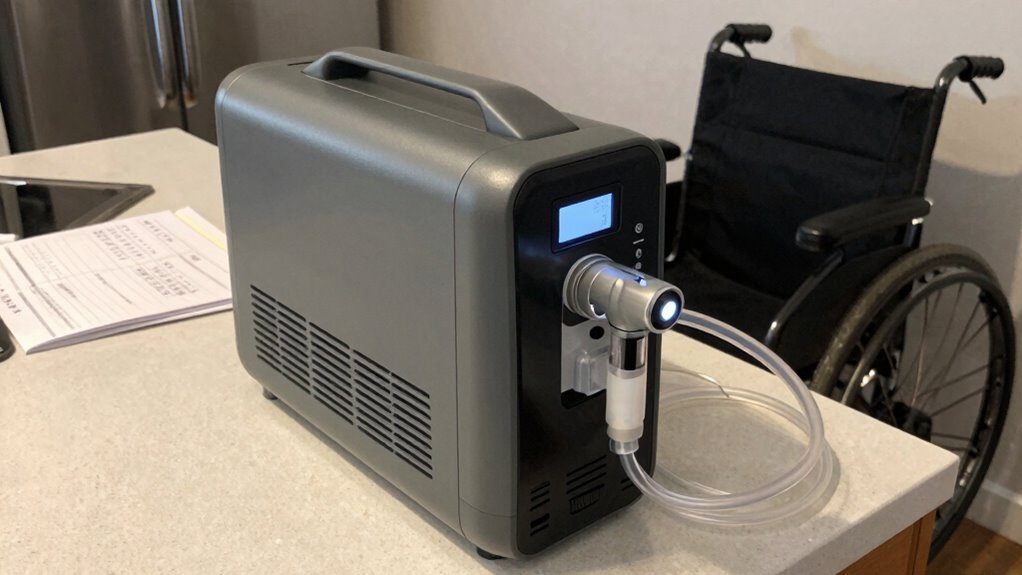

When searching for portable oxygen concentrators, the goal is to find a device that balances power, portability, and ease of use. The Boost Oxygen Extra-Large Rapid Response 12L Canister stands out as the best overall for its rapid oxygen delivery and high capacity. The Boost Oxygen Pocket Size Natural 3L Canisters offer unmatched portability for on-the-go use, while the Medfex Oxygen Tank Complete Set provides a reliable travel-sized tank for those needing consistent oxygen supply. As with any choice, tradeoffs include size, cost, and refill frequency. Keep reading to see how each option stacks up and find your best fit.

Prime made for students and young adults
- Fast, free delivery for dorm and study essentials
- Prime Video and Amazon Music included
- Member-only deals
Key Takeaways
- The top picks balance power and portability, with no single device excelling in all areas.
- Large capacity canisters are ideal for extended use but are less portable and heavier.
- Pocket-sized options prioritize mobility but may require frequent refills or replacements.
- Price varies significantly, with premium devices offering convenience at a higher cost.
- Understanding your specific oxygen needs and mobility level is key to choosing the right product.
| Boost Oxygen Extra-Large Rapid Response 12L Canister, 2 Pack |  | Best Overall for High Capacity Portable Oxygen | Oxygen Content: 98% | Canister Size: 12 liters | Inhalations per Can: up to 225 | VIEW ON AMAZON | See Our Full Breakdown |
| Boost Oxygen Medium Natural 5L Canister, 6 Pack |  | Best Value for Natural Oxygen on the Go | Oxygen Purity: 99.5% | Canister Volume: 5 liters | Pack Size: 6 canisters | VIEW ON AMAZON | See Our Full Breakdown |
| Medfex Oxygen Tank Complete Set | 425 Liter Capacity – Travel Size Kit USA |  | Best for Medical-Grade Portable Oxygen Needs | Capacity: 425 liters | Diameter: 4.38 inches | Length: 16.7 inches | VIEW ON AMAZON | See Our Full Breakdown |
| Boost Oxygen Large Natural 10L Canister, 3 Pack | 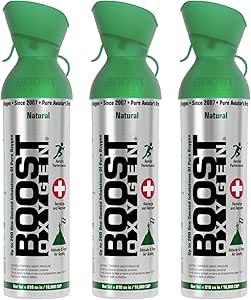 | Best for Large-Volume Natural Oxygen Support | Oxygen Purity: 99.5% | Canister Volume: 10 liters | Pack Size: 3 | VIEW ON AMAZON | See Our Full Breakdown |
| Boost Oxygen Pocket Size Natural 3L Canister, 3 Pack |  | Best for Compact, On-the-Go Respiratory Support | Content per Canister: 3 liters | Pack Size: 3 canisters | Material: Recyclable metal | VIEW ON AMAZON | See Our Full Breakdown |
| Boost Oxygen Pocket Size Natural 3L Canister, 4 Pack |  | Best Portable Emergency Support | Oxygen Content: 99.5% | Canister Size: 3 liters | Pack Quantity: 4 | VIEW ON AMAZON | See Our Full Breakdown |
| Boost Oxygen Medium Natural 5L Canister, 4 Pack |  | Best for Active Lifestyles and Increased Energy | Oxygen Purity: 99.5% | Canister Volume: 5 liters | Pack Quantity: 4 | VIEW ON AMAZON | See Our Full Breakdown |
| Boost Oxygen Pocket Size Natural 3L Canister, 2 Pack |  | Best Compact Oxygen for Short-Term Relief | Oxygen Purity: 99.5% | Canister Volume: 3 liters | Pack Size: 2 canisters | VIEW ON AMAZON | See Our Full Breakdown |
| portable oxygen concentrator | Pack Size | Oxygen Purity | Canister Volume | Made in |
|---|---|---|---|---|
| Boost Oxygen Extra-Large Rapid | 2 | — | — | — |
| Boost Oxygen Medium Natural 5L | 6 canisters | 99.5% | 5 liters | USA |
| Medfex Oxygen Tank Complete Se | — | — | — | — |
| Boost Oxygen Large Natural 10L | 3 | 99.5% | 10 liters | — |
| Boost Oxygen Pocket Size Natur | 3 canisters | — | — | USA |
| Boost Oxygen Pocket Size Natur | — | — | — | USA |
| Boost Oxygen Medium Natural 5L | — | 99.5% | 5 liters | — |
| Boost Oxygen Pocket Size Natur | 2 canisters | 99.5% | 3 liters | USA |
More Details on Our Top Picks
Boost Oxygen Extra-Large Rapid Response 12L Canister, 2 Pack
This 2-pack of Boost Oxygen stands out for its large capacity of up to 225 inhalations per can, making it ideal for travelers needing sustained oxygen support without frequent replacements. Compared to the smaller Boost Medium 5L Canisters, this option provides significantly more oxygen per canister, reducing the number needed on longer outings. However, it remains lightweight and easy to carry, which is essential for convenience. The canisters are made in the USA and are recyclable, appealing to environmentally conscious users. The main tradeoff is that these are meant for non-medical use only, so it’s not suitable for those requiring prescribed oxygen therapy. This pick makes the most sense for active outdoor enthusiasts or travelers who want a high-capacity, natural oxygen boost without the bulk of medical equipment.Pros:- Large capacity with up to 225 inhalations per can
- Lightweight and portable for on-the-go use
- Recyclable and environmentally friendly
Cons:- Designed strictly for non-medical, recreational use
- Not suitable for users needing prescribed oxygen therapy
Best for: Active travelers or outdoor enthusiasts needing a large, portable oxygen source for extended periods
Not ideal for: Individuals with medical oxygen needs requiring regulated, prescribed therapy
- Oxygen Content:98%
- Canister Size:12 liters
- Inhalations per Can:up to 225
- Pack Size:2
Our verdict“This is the best choice for active users who want maximum oxygen per outing without medical-grade equipment.”
Boost Oxygen Medium Natural 5L Canister, 6 Pack
The Boost Oxygen Medium 5L Canisters are perfect for those seeking high-quality, pure oxygen without added aromas, offering 99.5% oxygen purity. When compared with the larger 12L cans, these smaller canisters are more convenient for discreet carry but require more frequent replacements due to their limited volume. The lightweight design and recyclable materials make them suitable for everyday use, from commutes to outdoor walks. However, the smaller capacity means they’re less ideal for extended periods without refilling, and they remain non-medical products. This makes them a smart choice for casual users who want natural oxygen support without breaking the bank or carrying bulky gear.Pros:- Pure, natural oxygen with 99.5% purity
- Lightweight and easy to carry
- Recyclable and made in the USA
Cons:- Limited oxygen volume per canister
- Requires frequent replacements for extended use
Best for: Casual users who need quick, natural oxygen boosts during daily activities or travel
Not ideal for: People with medical oxygen prescriptions or those needing long-lasting oxygen supplies
- Oxygen Purity:99.5%
- Canister Volume:5 liters
- Pack Size:6 canisters
- Made in:USA
Our verdict“This option suits users wanting reliable, pure oxygen in a compact, affordable pack for everyday use.”
Medfex Oxygen Tank Complete Set | 425 Liter Capacity – Travel Size Kit USA
The Medfex oxygen tank set offers a 425-liter capacity, making it suitable for users who need a regulated oxygen supply on longer trips. Unlike small canisters like Boost’s 5L and 10L options, this tank provides a consistent flow with a 0-8 LPM regulator, which is essential for medical users. It includes accessories for immediate use and features a toggle valve for easy control. However, it ships empty and requires a prescription to fill, meaning it’s not a standalone solution for spontaneous use. Its compact size makes it travel-friendly, but it’s less suitable for users who prefer ready-to-use canisters or need very high oxygen volumes without refill dependency.Pros:- Portable with 425 liters capacity
- Includes accessories for immediate use
- Easy toggle valve for flow control
Cons:- Ships empty, requiring a prescription to fill
- Limited to 425 liters, not for long-term continuous use
Best for: Medical oxygen users needing a portable, prescription-based supply for travel or emergencies
Not ideal for: Recreational users seeking quick, non-medical oxygen boosts, as it requires prescriptions and setup
- Capacity:425 liters
- Diameter:4.38 inches
- Length:16.7 inches
- Flow Range:0.5 to 8 LPM
Our verdict“This is ideal for medical users who need a portable, regulated oxygen supply during travel or emergencies.”
Boost Oxygen Large Natural 10L Canister, 3 Pack
The Boost Oxygen 10L Canister pack offers a substantial volume of pure oxygen in a recyclable, lightweight package. Compared to the smaller 5L cans, these provide more oxygen per canister, making them suitable for users who need longer-lasting relief or higher oxygen volume during outdoor activities. The pack of three makes it a good value, especially for people who frequently use oxygen on the go. Still, these are designed for recreational, non-medical purposes, so they’re not appropriate for those with prescribed oxygen needs. The larger size also means slightly more bulk, which could be a consideration for very limited pack space.Pros:- High volume at 10 liters per canister
- Pure, natural oxygen with 99.5% purity
- Recyclable and lightweight
Cons:- Designed solely for non-medical use
- Bulkier than smaller cans, less discreet for some users
Best for: Active users seeking high-volume, natural oxygen support during outdoor or travel activities
Not ideal for: Individuals requiring regulated or prescribed medical oxygen therapy or for very limited storage space
- Oxygen Purity:99.5%
- Canister Volume:10 liters
- Pack Size:3
Our verdict“This product suits active users who want large, natural oxygen boosts without medical-grade restrictions.”
Boost Oxygen Pocket Size Natural 3L Canister, 3 Pack
The Boost Oxygen Pocket Size 3L Canisters are designed for maximum portability, easily fitting into pockets or small bags. Compared to the larger 10L or 12L options, these are perfect for quick, momentary breathing relief during daily activities or travel. The small size means users need to replace or refill more frequently, which might be inconvenient for extended use. They provide pure oxygen without aromas, appealing to those sensitive to scents. While ideal for short bursts of support, they’re less suited for prolonged oxygen needs or users who prefer a single, larger canister for the day.Pros:- Compact and lightweight for maximum portability
- Pure oxygen with no added aromas
- Made from recyclable metal
Cons:- Small capacity requires frequent replacement
- Limited for long-term or extended oxygen needs
Best for: Individuals needing quick, portable oxygen boosts during brief activities or transit
Not ideal for: People requiring sustained or long-duration oxygen therapy, as small size limits continuous use
- Content per Canister:3 liters
- Pack Size:3 canisters
- Material:Recyclable metal
- Made in:USA
Our verdict“This pack is best for quick, on-the-go breathing support for active or travel-focused users.”
Boost Oxygen Pocket Size Natural 3L Canister, 4 Pack
This compact set offers four small, 3-liter canisters of 99.5% pure oxygen, making it ideal for quick bursts of respiratory relief during outdoor activities or travel. Unlike larger options like the Boost Oxygen Medium 5L Canister, these are designed for convenience rather than prolonged use, which means they excel at providing immediate oxygen support but fall short for continuous needs. Their lightweight and recyclable design make them easy to carry, yet their limited oxygen volume means multiple canisters are necessary for extended use. This pick stands out for its portability and immediate usability, but it isn’t suited for medical emergencies or long-term oxygen therapy.
Pros:- Very lightweight and easy to carry
- Pure oxygen with no added aromas
- Recyclable, environmentally friendly canisters
Cons:- Limited oxygen volume per canister, suitable only for short-term use
- Not intended for medical emergencies or prolonged oxygen needs
Best for: Active individuals needing quick, on-the-go oxygen boosts during hikes or commutes
Not ideal for: People requiring sustained oxygen therapy or emergency medical support, due to limited volume and short-term design
- Oxygen Content:99.5%
- Canister Size:3 liters
- Pack Quantity:4
- Made in:USA
Our verdict“This product is best suited for those seeking quick, portable oxygen support during active outings, not for ongoing medical use.”
Boost Oxygen Medium Natural 5L Canister, 4 Pack
This 5-liter pack provides a larger volume of 99.5% pure oxygen, making it more suitable for users needing multiple quick boosts or a bit more breathing support during activities. Compared to the smaller 3L canisters, these are better for users who want a bit more longevity per use without sacrificing portability. They’re lightweight and recyclable, ideal for outdoor enthusiasts or travelers who value convenience, but they’re not designed for medical purposes or sustained oxygen therapy. The need for frequent replacements can be a downside for those with ongoing oxygen needs, as these are meant for supplemental, non-medical use. This option makes the most sense for active users who want more oxygen per canister without bulk.
Pros:- Higher volume per canister for more support per use
- Pure oxygen without added aromas
- Lightweight and easy to carry
Cons:- Designed solely for non-medical, supplemental use
- Requires frequent replacement for regular, prolonged use
Best for: Active individuals seeking portable oxygen support during sports, travel, or busy days
Not ideal for: Individuals who require long-term oxygen therapy or medical-grade support, as these are non-medical and limited in volume
- Oxygen Purity:99.5%
- Canister Volume:5 liters
- Pack Quantity:4
Our verdict“This product is ideal for active users needing a bit more oxygen with each burst, but not for continuous or medical oxygen needs.”
Boost Oxygen Pocket Size Natural 3L Canister, 2 Pack
This 2-pack offers two small, 3-liter canisters of 99.5% pure oxygen, designed for on-the-go respiratory support. Compared to the larger 5L canisters like the Boost Oxygen Medium, these are more compact and easier to stash in a pocket or bag for quick relief. They’re perfect for individuals who need occasional bursts of oxygen during activities like walking or travel, but their small size means they can’t sustain prolonged oxygen needs. The recyclable canisters are lightweight and convenient, but their limited capacity makes them less suited for regular, extended use. This product is best for those who want quick, portable oxygen support in tight spaces, not long-term therapy.
Pros:- Highly portable and easy to carry
- Pure oxygen with no added aromas
- Recyclable canisters for eco-conscious users
Cons:- Intentionally small for quick use only
- Limited oxygen volume makes it unsuitable for sustained needs
Best for: Travelers or walkers who need short bursts of oxygen support during outings
Not ideal for: Patients with ongoing oxygen therapy requirements, given the limited volume and short-term design
- Oxygen Purity:99.5%
- Canister Volume:3 liters
- Pack Size:2 canisters
- Made in:USA
Our verdict“This pick suits users who require quick, portable oxygen boosts in compact form, not for continuous use or medical needs.”

How We Picked
We evaluated each product based on performance, ease of use, build quality, portability, and value. Devices that deliver consistent oxygen flow without sacrificing convenience ranked higher. We also considered refill options, size, weight, and user-friendliness, ensuring the selections cater to different lifestyles and needs. Our ranking reflects a balance between capacity, portability, and cost, helping buyers find reliable options whether for travel, daily use, or emergencies.Factors to Consider When Choosing Portable Oxygen Concentrators
Choosing the right portable oxygen concentrator involves more than just capacity. Consider how often you’ll need to refill, where you’ll use it most, and how much weight you’re willing to carry. The following factors can help narrow your options and avoid common pitfalls when selecting a device.Capacity and Usage Needs
Determine how much oxygen you require daily and whether you need continuous flow or on-demand options. Larger canisters or tanks are suitable for extended use but tend to be heavier and less portable. Conversely, smaller units excel for short outings or travel but may require frequent refills, which can become inconvenient. Knowing your oxygen needs will guide you toward a device that fits your lifestyle without compromise.
Portability and Size
Portability is often the main reason for choosing a portable oxygen concentrator. Assess your typical activity level and whether you’ll be carrying the device for long periods. Pocket-sized models offer unmatched convenience but might limit capacity, while larger options provide more oxygen but at the expense of ease of transport. Select a device that aligns with your mobility and comfort preferences to avoid frustration.
Refill and Replacement Options
Consider how you’ll refill or replace your oxygen source. Some options, like canisters, are disposable and require purchasing refills regularly, which can add up over time. Others, like tanks, may be refillable and more cost-effective in the long run but are bulkier. Understanding the logistics and costs associated with refilling helps prevent surprises and ensures continuous oxygen supply.
Cost and Long-term Value
Price varies widely in this category, from budget-friendly canisters to premium portable concentrators. Cheaper options might save money upfront but could lack durability or capacity. Premium devices often come with advanced features, better build quality, and longer-lasting performance, making them worth the investment for regular users. Consider your budget alongside your needs to find a sustainable solution.
Ease of Use and Maintenance
Simplicity in operation is vital, especially if multiple users in your household need to manage the device. Look for models with intuitive controls, clear indicators, and easy refill or replacement procedures. Maintenance requirements such as cleaning or filter replacements should also be manageable to keep your device in optimal condition without hassle.
Frequently Asked Questions
How do I choose between a canister and a portable concentrator?
Choosing between a canister and a portable concentrator depends on your lifestyle and oxygen needs. Canisters, like those from Boost Oxygen, are lightweight and disposable, making them ideal for short trips, outdoor activities, or emergencies. Portable concentrators, on the other hand, are more suited for daily use or longer outings because they typically provide a continuous oxygen flow and are rechargeable. Assess how much oxygen you need, how often you travel, and your convenience preferences to make the best choice.
Are rechargeable tanks more cost-effective than disposable canisters?
Rechargeable tanks often offer better long-term value since refilling them is usually cheaper than buying multiple disposable canisters. However, they tend to be bulkier and heavier, which can impact portability. If you frequently need oxygen on the go, investing in a refillable tank might reduce ongoing costs, but if you only need occasional use, disposables could be more practical despite higher recurring expenses. Balance your usage frequency and mobility needs when deciding.
Can I use these oxygen products during air travel?
Many portable oxygen devices are approved for air travel, but it’s essential to check with your airline beforehand. Some canisters and portable concentrators are FAA-approved and meet airline safety standards, while others are not suitable for flying. Always inform your airline in advance, and bring necessary documentation or approval letters. Planning ahead ensures your oxygen supply remains uninterrupted during flights.
How often do I need to refill or replace these oxygen canisters?
The refill frequency depends on your oxygen flow rate and usage duration. Smaller canisters like the 3L models might last only a few hours, while larger tanks can provide oxygen for an entire day or more. Reusable tanks need refilling, which involves visiting a supplier or using refill stations, whereas disposable canisters must be replaced entirely. Estimating your daily oxygen requirements helps you select a product that minimizes refilling frequency and inconvenience.
What should I consider if I want a device for active outdoor use?
For outdoor activities, prioritize lightweight, compact options that are easy to carry and refill. Pocket-sized models or small tanks are ideal for hiking or travel, provided they meet your oxygen needs. Additionally, look for devices with durable casing and battery options if applicable. Ensuring your device is compatible with outdoor environments and easy to manage while on the move will enhance your experience and safety.
Conclusion
For daily use and frequent travelers, the Boost Oxygen Extra-Large Rapid Response 12L Canister offers high capacity and quick oxygen delivery, making it the best overall choice. Those seeking affordability and convenience might prefer the Boost Oxygen Medium Natural 5L Canisters, which balance cost with reliable performance. If budget is a primary concern, disposable canisters like the Boost Oxygen Pocket Size Natural 3L Canisters provide portability at a lower price. For users with specific mobility needs or outdoor enthusiasts, compact models and refillable tanks are worth considering, with premium options suited for those valuing advanced features and durability. Tailor your choice based on your oxygen needs, activity level, and budget to find the perfect fit.
As an affiliate, we earn on qualifying purchases.Halloween Picks

11.2-Foot Halloween Inflatable Pumpkin with LED Lights

Haunted Hill Farm 2-Ft. Zombie Raccoon Halloween Animatronic

DomKom 6 ft Halloween Inflatable Ghosts Roasting Marshmallows