
TL;DR

Prime made for students and young adults
- Fast, free delivery for dorm and study essentials
- Prime Video and Amazon Music included
- Member-only deals
A solar storm is forecasted to cause Northern Lights to appear in parts of the northern U.S. before the Fourth of July. The event is confirmed by space weather agencies and could offer a rare visual display for residents in affected states.
Space weather experts confirm that a solar storm is likely to produce visible Northern Lights in parts of the northern United States before the upcoming Fourth of July holiday, offering a rare opportunity for skywatchers in affected states.
According to the National Oceanic and Atmospheric Administration (NOAA), a significant solar storm is currently underway, with charged particles traveling toward Earth. This solar activity has the potential to create visible auroras, commonly known as Northern Lights, in northern U.S. states such as Montana, North Dakota, Minnesota, and parts of Wisconsin and Michigan. Experts warn that the auroras could be visible during clear nights in these regions over the next few days, especially when geomagnetic activity peaks. While the event is confirmed by NOAA’s space weather division, the exact locations and intensity of the auroras depend on local weather conditions, including cloud cover and light pollution. The phenomenon is expected to coincide with increased solar activity, which has been monitored for several days, with geomagnetic storm levels reaching moderate levels, according to NOAA forecasts.Officials advise residents in the affected areas to stay updated through local weather alerts and space weather reports. The Northern Lights are typically associated with high-latitude regions, but during strong solar storms, they can sometimes be seen much further south, attracting interest from amateur astronomers and the general public alike. This event marks one of the more significant solar storms of the year, with potential impacts on satellite communications and power grids, though no major disruptions are currently anticipated.
Why the Aurora Display Matters This Year
This solar storm and the resulting Northern Lights display are notable because they offer a rare visual spectacle for residents in southern regions typically outside the aurora zone. The event underscores the ongoing activity of the sun and its potential effects on Earth’s atmosphere and technology. For skywatchers and tourists, it presents an unusual opportunity to observe a natural phenomenon usually reserved for northern states and countries. Additionally, the event highlights the importance of space weather monitoring, as increased solar activity can impact communication systems and power infrastructure, even if no disruptions are currently predicted.
portable telescope for aurora viewing
As an affiliate, we earn on qualifying purchases.
As an affiliate, we earn on qualifying purchases.
Recent Solar Activity and Forecasts for Aurora Visibility
Solar activity has been elevated over the past week, with NOAA reporting several solar flares and coronal mass ejections (CMEs) that are now reaching Earth. The current solar storm is classified as a G2 (moderate) geomagnetic storm, which is capable of producing visible auroras at latitudes lower than usual. Historically, such storms have led to spectacular displays in northern U.S. states and parts of southern Canada. The last significant aurora event was earlier this year, but this upcoming storm is expected to be more widespread due to the intensity of the solar activity. Experts note that the timing aligns with the days leading up to the Fourth of July, increasing the likelihood of public interest and media coverage.
“This solar storm has the potential to produce visible auroras in parts of the northern U.S., especially if skies are clear. It’s a good opportunity for skywatchers to catch a rare natural display.”
— Dr. Emily Carter, NOAA Space Weather Prediction Center
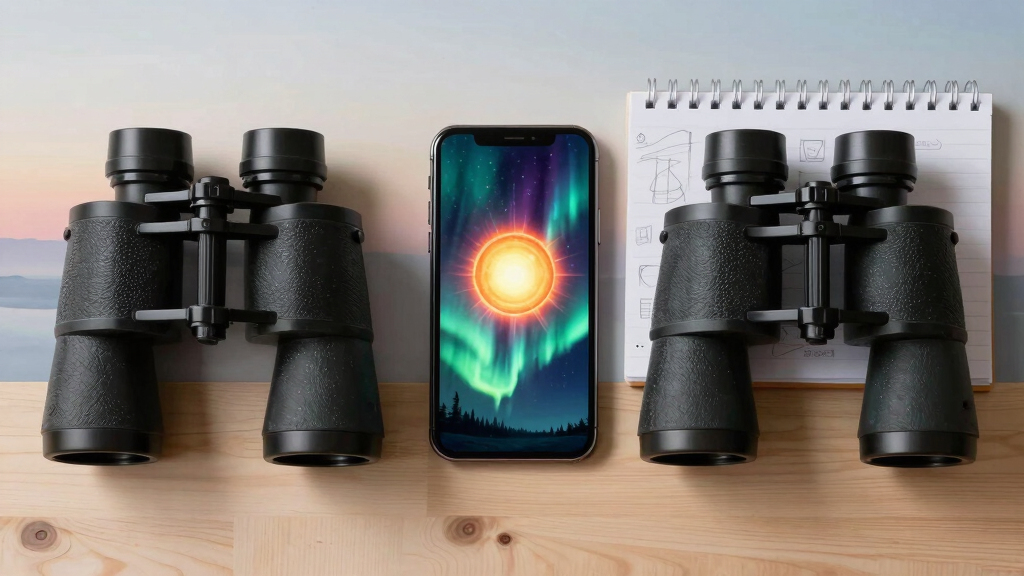
night sky binoculars for Northern Lights
As an affiliate, we earn on qualifying purchases.
As an affiliate, we earn on qualifying purchases.
Factors That Could Affect Aurora Visibility
While NOAA confirms the solar storm and potential for aurora visibility, the exact locations and intensity of the Northern Lights depend on local weather conditions, including cloud cover and light pollution. The forecasted geomagnetic activity could fluctuate, and if cloud cover persists, visibility may be limited. Additionally, the timing and strength of the auroras are subject to change based on the solar wind’s behavior as it interacts with Earth’s magnetosphere. Therefore, residents should monitor local weather and space weather updates for the most accurate predictions.
aurora borealis viewing flashlight
As an affiliate, we earn on qualifying purchases.
As an affiliate, we earn on qualifying purchases.
Monitoring and Public Alerts for Aurora Sightings
Space weather agencies will continue to monitor the solar storm’s progression and issue updates as needed. Local weather services are advising residents to stay alert for skywatching opportunities, particularly during clear nights before July 4. Experts recommend checking NOAA’s space weather alerts and local weather forecasts regularly. If the auroras are visible, it could be a brief but spectacular display, encouraging amateur astronomers and the public to participate in viewing events or share photos online. The next significant update is expected within the next 24 to 48 hours, as scientists track the storm’s evolution.
As an affiliate, we earn on qualifying purchases.
Key Questions
When is the best time to see the Northern Lights this week?
The best chances are during clear nights in the upcoming days, particularly after sunset and before midnight, when geomagnetic activity peaks according to NOAA forecasts.
Which states are most likely to see the Northern Lights?
States in the northern U.S., such as Montana, North Dakota, Minnesota, Wisconsin, and Michigan, are most likely to experience visible auroras during this solar storm.
Will this solar storm affect technology or power supplies?
Currently, no major disruptions are expected, but increased solar activity can sometimes impact satellite communications and power grids. Authorities are monitoring the situation closely.
How often do solar storms produce Northern Lights in the U.S.?
Significant aurora displays in the U.S. are relatively rare and typically occur during strong solar storms, which happen a few times per year at most, depending on solar cycle activity.
Source: google-trends
Columbus Day / Indigenous Peoples' Day Picks
long weekend sales
As an affiliate, we earn on qualifying purchases.