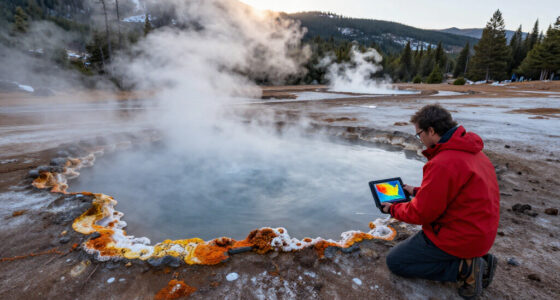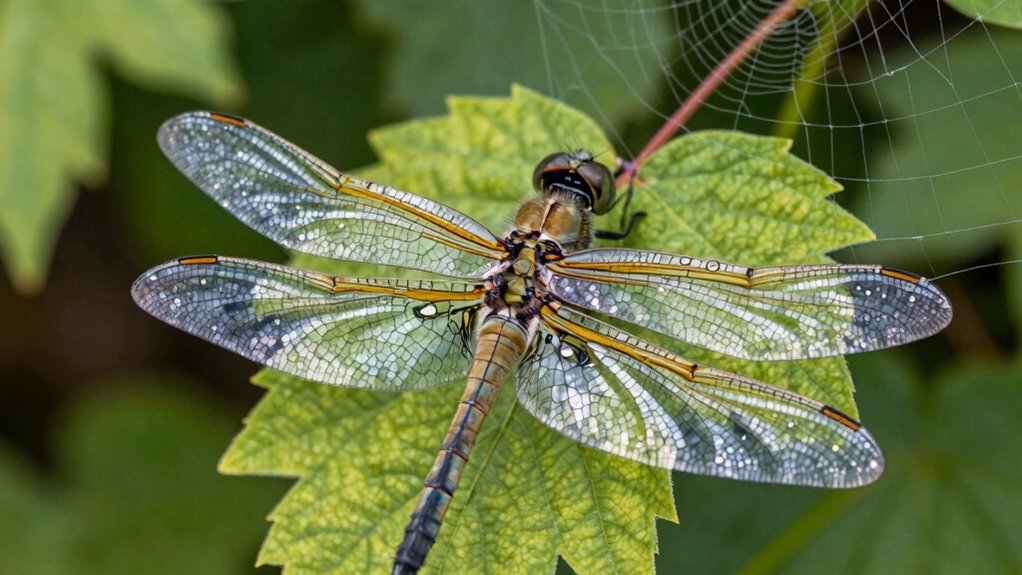

You can learn a lot from nature-inspired engineering, which offers practical and innovative solutions for climate tech. By mimicking natural systems, you can develop energy-efficient buildings, biodegradable materials, and resilient infrastructure that adapts to changing conditions. Nature’s strategies, like passive ventilation and self-regulating ecosystems, help reduce energy use and enhance sustainability. If you keep exploring, you’ll discover how these biomimicry approaches can create smarter, eco-friendly climate solutions for a healthier planet.

Prime made for students and young adults
- Fast, free delivery for dorm and study essentials
- Prime Video and Amazon Music included
- Member-only deals
Key Takeaways
- Natural systems demonstrate efficient resource use and self-regulation, guiding the development of resilient renewable energy technologies.
- Biomimicry enables passive climate solutions, such as ventilation and cooling, inspired by natural structures and ecosystems.
- Natural materials and circular economy principles promote eco-friendly, biodegradable alternatives reducing environmental impact.
- Ecosystem resilience and adaptability inform climate tech designs that can withstand environmental fluctuations over time.
- Nature-inspired engineering fosters innovative, sustainable solutions that balance technological effectiveness with planetary health.
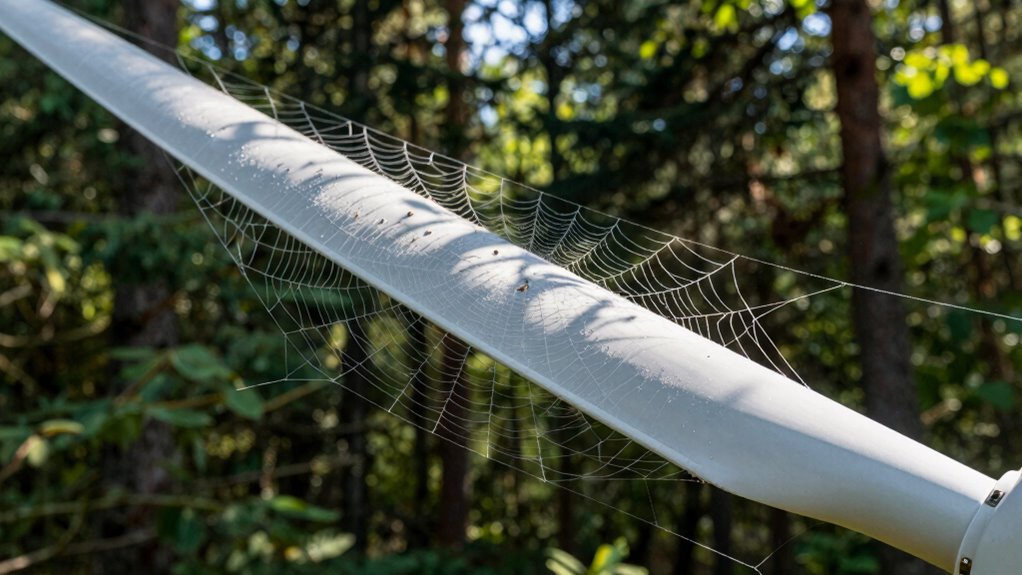
Have you ever wondered how nature’s time-tested solutions can help us tackle the urgent challenges of climate change? It’s a fascinating question because nature has been perfecting its systems for millions of years, offering us a wealth of insights that can transform our approach to climate tech. Biomimicry innovations, inspired by the natural world, are paving the way for sustainable design solutions that are both efficient and eco-friendly. By studying how plants, animals, and ecosystems operate, you can discover strategies to develop technologies that reduce energy consumption, minimize waste, and operate harmoniously within the environment.
Nature’s solutions offer innovative, sustainable strategies to reduce energy use and minimize waste for a healthier planet
When you look at how a termite mound maintains a stable internal climate, you see a model for sustainable design in building architecture. This natural structure cools itself without air conditioning, using passive ventilation that relies on natural airflow. Incorporating similar principles into modern buildings can dramatically cut energy use and carbon emissions. Such biomimicry innovations show that you don’t need complex or expensive technology to achieve sustainability—sometimes, the best solutions are those inspired by nature’s elegant simplicity. This approach allows you to create climate resilience strategies that are both practical and scalable.
In addition, nature teaches you about materials that are biodegradable and renewable, an essential aspect of sustainable design. For instance, researchers are developing biodegradable plastics inspired by the structure of seashells, which combine strength with environmental friendliness. These innovations help you reduce reliance on fossil fuels and non-degradable substances, fostering a circular economy that’s better for the planet. By mimicking natural processes, you can develop energy-efficient manufacturing techniques and sustainable products that align with ecological principles. Moreover, understanding the efficiency of natural systems** can guide the optimization of renewable energy technologies and reduce resource wastage. Exploring how ecosystems self-regulate and adapt can further inform the development of climate solutions that are resilient to environmental changes. Recognizing the importance of biodiversity** ensures that solutions are integrated within healthy ecosystems, promoting resilience and sustainability.
You also learn from ecosystems that self-regulate and adapt to changing conditions, guiding you in designing climate solutions that are resilient and flexible. For example, coral reefs, which thrive in fluctuating conditions, can inspire coastal protection strategies that withstand rising sea levels and storms. This kind of biomimicry innovation emphasizes adaptability, ensuring that climate technologies remain effective as environmental conditions evolve. Additionally, understanding natural ventilation can help optimize airflow in buildings, reducing dependence on mechanical cooling systems. Incorporating ecosystem-based approaches can further enhance the resilience of climate tech solutions by mimicking nature’s interconnected systems.
In essence, nature offers a blueprint for innovation—one that encourages you to rethink traditional engineering and adopt sustainable design practices. By observing and mimicking natural systems, you can develop smarter, more sustainable solutions to combat climate change. The lessons embedded in nature’s engineering are invaluable, helping you create technologies that are not only effective but also respectful of the delicate balance of our planet.
biodegradable building materials
As an affiliate, we earn on qualifying purchases.
As an affiliate, we earn on qualifying purchases.
Frequently Asked Questions
How Do Scientists Identify Which Natural Systems to Mimic?
You identify natural systems to mimic by studying ecosystem modeling and observing how species adapt through evolutionary processes. Scientists look for efficient, resilient mechanisms in nature, such as how trees optimize water use or how ants coordinate traffic. By understanding these adaptations, you can select systems with proven sustainability, ensuring that the engineering solutions you develop are both effective and environmentally harmonious, inspired by nature’s own innovations.
What Are the Limitations of Applying Nature-Inspired Designs at Scale?
Have you considered how scalability challenges and ecological impacts limit nature-inspired designs? When applying these solutions at large scales, you might face unforeseen environmental consequences and technical hurdles that hinder effectiveness. Nature’s complexity doesn’t always translate seamlessly into human-made systems. So, while mimicking natural processes offers innovative ideas, you must critically evaluate ecological impacts and scalability to guarantee sustainable, beneficial outcomes without unintended harm.
How Cost-Effective Is Biomimicry Compared to Traditional Climate Tech Methods?
Biomimicry can be quite cost-effective compared to traditional climate tech, especially when you consider the cost analysis over time. Its innovation potential often leads to simpler, more sustainable solutions that reduce operational expenses and environmental impact. While initial investments might be higher, you save money in the long run through increased durability and efficiency. Overall, biomimicry offers a promising balance between cost and innovation in tackling climate challenges.
Are There Ethical Concerns in Copying Natural Organisms or Ecosystems?
Imagine copying a delicate butterfly’s wing without considering its ecological impact; ethical considerations arise. You might wonder if mimicking natural organisms disregards their intrinsic value or disrupts ecosystems. While nature-inspired engineering offers innovative solutions, it’s essential to weigh the ethical concerns, ensuring that in our quest for progress, we respect and protect the ecosystems we draw inspiration from. Balancing innovation with responsibility is key to sustainable progress.
How Quickly Can Nature-Inspired Solutions Be Developed and Implemented?
You can develop and implement nature-inspired solutions relatively quickly, especially with innovative adaptation and sustainable innovation at the forefront. By leveraging existing biological insights and cutting-edge technology, you streamline the process, reducing time and costs. While some projects may take years for full deployment, many promising solutions can be tested and refined in months, enabling faster integration into climate tech efforts and promoting more effective, eco-friendly innovations.
passive ventilation systems for buildings
As an affiliate, we earn on qualifying purchases.
As an affiliate, we earn on qualifying purchases.
Conclusion
Just like a masterful gardener tends to a thriving garden, you can draw from nature’s blueprint to nurture innovative climate solutions. By mimicking the resilience and efficiency of natural systems, you’re planting seeds for a sustainable future. Embrace these lessons, and watch your ideas grow into powerful tools that help heal our planet. Remember, nature isn’t just a backdrop—it’s a blueprint waiting for you to reveal its secrets.
biomimicry inspired eco-friendly products
As an affiliate, we earn on qualifying purchases.
As an affiliate, we earn on qualifying purchases.
renewable energy technology devices
As an affiliate, we earn on qualifying purchases.
As an affiliate, we earn on qualifying purchases.
Halloween Picks
halloween
As an affiliate, we earn on qualifying purchases.