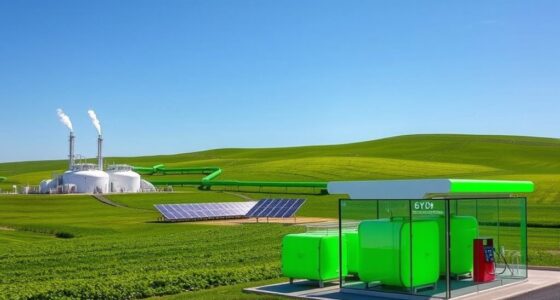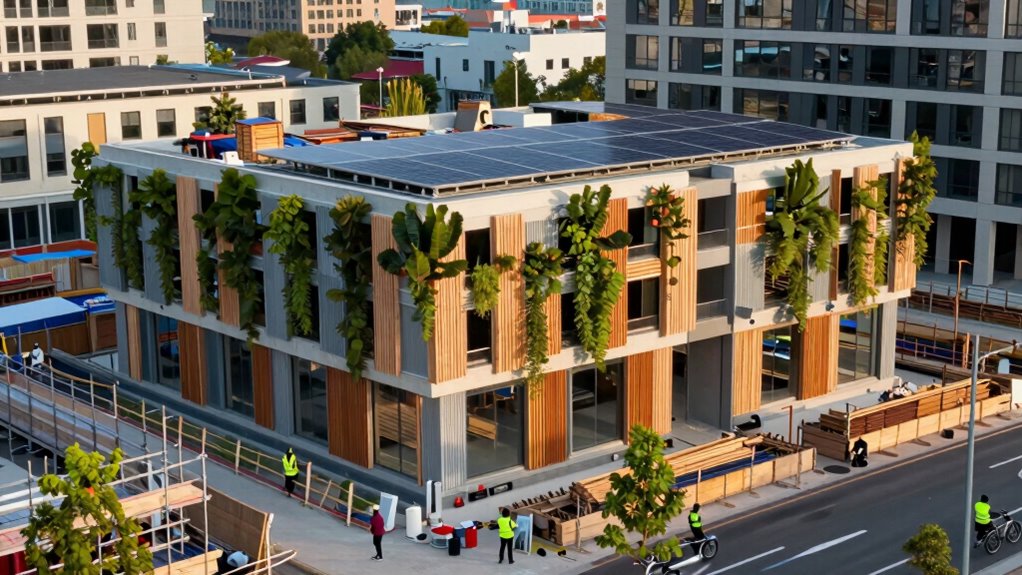

Low-carbon construction is gaining attention because industry innovations and environmental concerns are pushing for more sustainable practices. You’ll see improvements in materials’ performance and durability, making them more reliable and eco-friendly. Advances in manufacturing and calibration guarantee quality and sustainability, while portable power solutions boost efficiency and reduce energy use on-site. As these technologies progress, low-carbon building becomes more viable and widespread. Sticking with this trend will reveal how these changes shape the future of construction.

Prime made for students and young adults
- Fast, free delivery for dorm and study essentials
- Prime Video and Amazon Music included
- Member-only deals
Key Takeaways
- Growing environmental concerns drive demand for sustainable and low-carbon building materials.
- Advances in material performance and durability support the adoption of eco-friendly construction practices.
- Portable power solutions and efficient manufacturing reduce energy consumption and carbon emissions on construction sites.
- Innovation in calibration and process improvements ensure consistent, high-quality low-carbon materials.
- Industry focus on sustainability aligns with regulatory standards and consumer preferences for greener infrastructure.
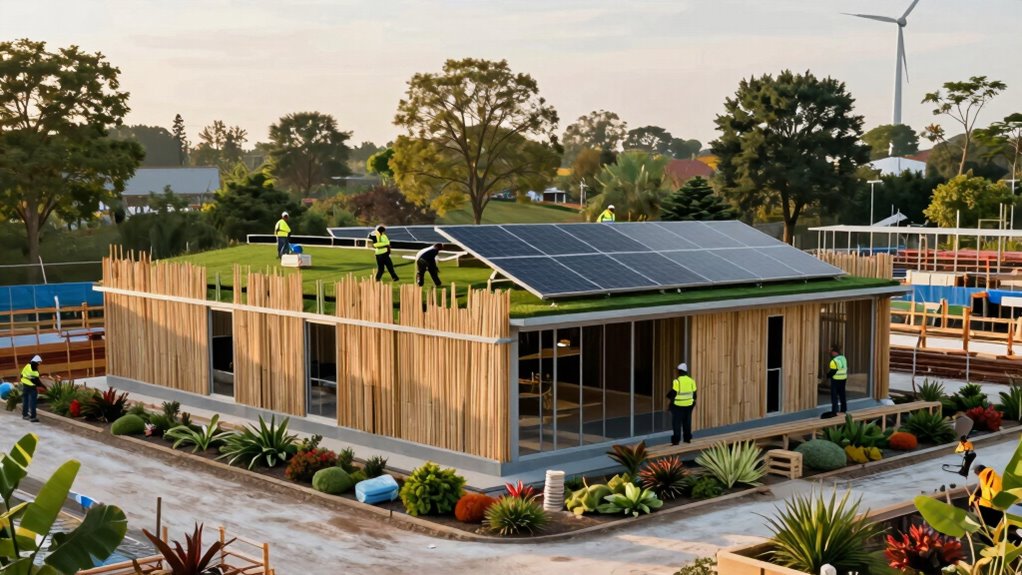
As the research continues to optimize these materials, their performance and durability are expected to improve further, making them even more viable for widespread use. Furthermore, ongoing innovations in sustainable material calibration techniques ensure that these resources meet the high standards required for modern construction projects. Additionally, integrating portable power solutions in construction sites can reduce energy consumption and enhance project efficiency. Incorporating advanced manufacturing processes can also accelerate the adoption of low-carbon construction materials across the industry.
low-carbon construction materials
As an affiliate, we earn on qualifying purchases.
As an affiliate, we earn on qualifying purchases.
Frequently Asked Questions
How Cost-Effective Is Low-Carbon Construction Compared to Traditional Methods?
Low-carbon construction can be cost-effective when you consider material innovation and thorough cost analysis. While initial investments might be higher due to new materials and technologies, you save money over time through energy efficiency and durability. Advances in sustainable materials reduce long-term expenses, making low-carbon methods competitive with traditional construction. By analyzing costs carefully, you realize that eco-friendly building practices can offer both environmental benefits and economic savings.
What Are the Main Challenges in Implementing Low-Carbon Building Materials?
Implementing low-carbon building materials can feel like climbing Everest, but the main challenges are manageable. You need to focus on sustainable sourcing and material innovation, which often involve higher costs and limited availability. Steering supply chains and ensuring quality control can slow progress. However, embracing new technologies and partnerships helps you overcome these hurdles, making low-carbon construction more practical and impactful for a greener future.
How Do Building Codes Influence Low-Carbon Construction Adoption?
Building codes greatly influence low-carbon construction adoption by setting standards that encourage sustainable practices. You’ll find that regulatory incentives motivate you to choose eco-friendly materials and methods, making it easier to meet these standards. However, policy barriers can hinder progress, creating challenges in compliance. Managing these codes requires understanding their requirements, but they ultimately push you toward greener, more sustainable building practices, fostering broader adoption of low-carbon construction techniques.
Are There Specific Regions Leading in Low-Carbon Construction Practices?
You’ll find that regions like Europe, California, and parts of Asia lead in low-carbon construction practices. These areas benefit from progressive regional policies that promote sustainable building standards and market incentives like tax breaks and grants. Such policies encourage builders to adopt eco-friendly materials and energy-efficient designs, making low-carbon construction more attractive and accessible. Staying aware of these regional trends helps you understand where sustainable building innovations are most rapidly advancing.
What Future Technologies Will Further Reduce Construction Carbon Footprints?
Think of future construction tech as a green revolution, transforming how you build. You’ll see advances like integrated renewable energy systems and enhanced carbon capture technologies, which act like a breath of fresh air for the environment. These innovations will considerably slash construction carbon footprints, making buildings smarter and greener. As these tools evolve, you’ll find sustainable construction becoming more efficient, reducing emissions, and helping combat climate change more effectively.
As an affiliate, we earn on qualifying purchases.
Conclusion
As you embrace low-carbon construction, you’re planting seeds in a greener future. Imagine buildings as sturdy trees, rooted in sustainability, shedding outdated practices like falling leaves. With each eco-friendly step, you’re weaving a vibrant tapestry of innovation and responsibility, turning gray landscapes into lush, thriving forests. This shift isn’t just a trend; it’s the dawn of a new era where your choices bloom into a sustainable world, one brick at a time.
portable power solutions for construction sites
As an affiliate, we earn on qualifying purchases.
As an affiliate, we earn on qualifying purchases.
sustainable construction equipment
As an affiliate, we earn on qualifying purchases.
As an affiliate, we earn on qualifying purchases.
Halloween Picks
halloween
As an affiliate, we earn on qualifying purchases.