

Decarbonization needs better measurement tools because accurate data helps you track progress and identify emission sources effectively. Without reliable metrics, it’s easy to underestimate or overestimate efforts, making it hard to set realistic targets. Advanced digital technologies and standardized methods improve data quality and transparency, enabling smarter decisions and increased accountability. If you want to understand how improved tools can accelerate your decarbonization journey, keep exploring the key role they play.

Prime made for students and young adults
- Fast, free delivery for dorm and study essentials
- Prime Video and Amazon Music included
- Member-only deals
Key Takeaways
- Accurate measurement prevents misallocation of resources and ensures effective decarbonization strategies.
- Enhanced tools enable real-time tracking of emissions across diverse sectors, improving responsiveness.
- Standardized measurement methods facilitate comparison, accountability, and progress assessment globally.
- Reliable data supports stakeholder confidence and attracts investments in sustainable initiatives.
- Improved tools help identify inefficiencies and optimize efforts toward achieving climate goals.
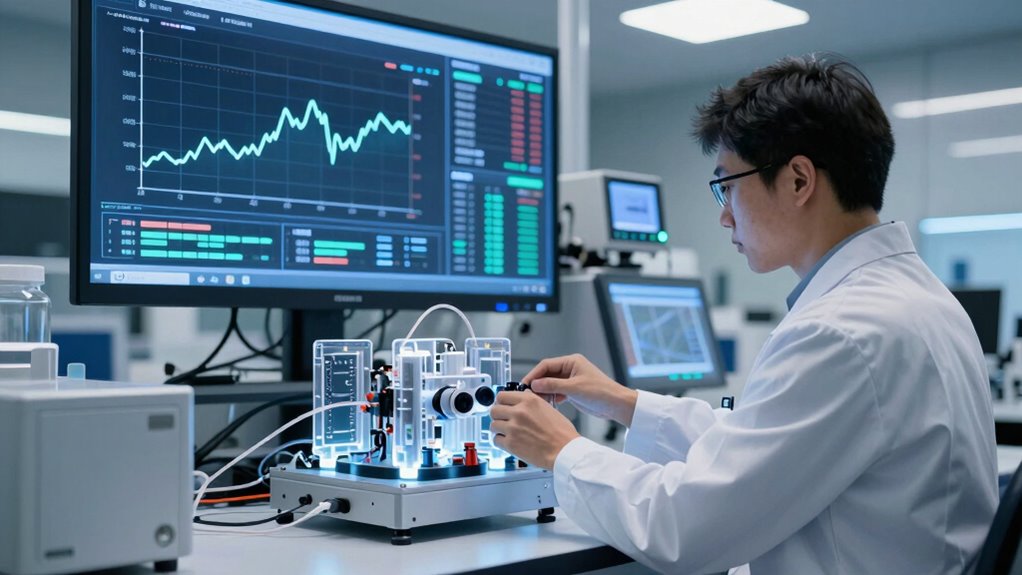
Decarbonization is essential for tackling climate change, but measuring progress can be complex without the right tools. When you try to gauge how much you’ve reduced your carbon footprint or improved energy efficiency, it’s not always straightforward. Without accurate measurement tools, it’s easy to underestimate or overestimate your efforts, which can lead to misguided strategies and missed opportunities. Precise data helps you identify where emissions originate, track improvements over time, and set realistic targets. The challenge lies in capturing the full scope of emissions across different sectors and activities, from transportation to manufacturing, and translating that into actionable insights.
Effective measurement tools are critical because they turn abstract concepts into concrete numbers. For instance, understanding your carbon footprint involves aggregating emissions from various sources—electricity use, travel, supply chains—and then analyzing which areas have the most room for improvement. When you have clear data, you can prioritize actions that deliver the greatest impact on reducing overall emissions. Similarly, evaluating energy efficiency across operations allows you to pinpoint inefficiencies, optimize resource use, and implement targeted upgrades. Without these metrics, you might continue investing in initiatives that don’t yield significant decarbonization benefits, wasting time and resources. Moreover, integrating digital technologies such as real-time monitoring and IoT sensors can greatly enhance accuracy and timeliness of emission data.
The need for better measurement tools becomes even more evident as organizations and governments commit to ambitious climate goals. You require standardized, transparent methodologies to compare progress across sectors and regions. This consistency ensures accountability and facilitates collaboration, as stakeholders can confidently share data and best practices. Advances in digital technologies, such as real-time monitoring, IoT sensors, and data analytics, are transforming the landscape. These tools enable you to gather granular data on energy consumption and emissions, providing a clearer picture of your environmental impact and progress. They also help you predict future emissions based on current trends, allowing for proactive adjustments. Incorporating reliable data collection methods can significantly improve the accuracy of emissions tracking and forecasting.
Ultimately, better measurement tools empower you to make informed decisions. As you track your journey toward decarbonization, you can celebrate milestones, identify setbacks, and refine strategies. The clearer your data, the more effectively you can demonstrate progress to stakeholders, secure investments, and meet regulatory requirements. Without these tools, your efforts risk being based on assumptions rather than facts, reducing their effectiveness. To truly accelerate decarbonization, investing in advanced measurement systems isn’t optional; it’s crucial. Recognizing the importance of standardized measurement and reliable data collection is fundamental for aligning efforts with climate commitments and ensuring accurate emissions accounting.
real-time emission monitoring sensors
As an affiliate, we earn on qualifying purchases.
As an affiliate, we earn on qualifying purchases.
Frequently Asked Questions
How Do Measurement Tools Impact Decarbonization Policy Decisions?
Measurement tools impact your decarbonization policy decisions by providing accurate data on emissions, helping you evaluate effectiveness. With better tools, you can confidently invest in carbon offsetting and renewable incentives, ensuring funds go toward impactful projects. Precise measurements allow you to track progress, identify gaps, and refine policies, ultimately accelerating your efforts to reduce carbon footprints and achieve sustainability goals efficiently.
What Are the Limitations of Current Carbon Measurement Technologies?
Nearly 70% of current carbon measurement tools face calibration challenges, limiting their accuracy. You’ll find that data integration remains a significant hurdle, often causing gaps in emissions tracking. These limitations mean policies based on flawed data might miss critical emissions sources, slowing progress. Without precise measurements, you can’t confidently assess or improve decarbonization efforts, highlighting the urgent need for advanced, reliable technologies that address calibration and data integration issues.
How Can Measurement Accuracy Improve Climate Change Mitigation Efforts?
Improving measurement accuracy directly boosts your climate change mitigation efforts by providing precise data to target emissions reductions. With innovative sensors, you can detect emissions more accurately in real-time, while data integration allows you to combine different data sources for an all-encompassing view. This enhanced precision helps you identify key areas for intervention, measure progress effectively, and implement policies that truly make a difference in reducing your carbon footprint.
Who Are the Key Stakeholders Involved in Developing Measurement Tools?
You need to know that key stakeholders involved in developing measurement tools include government agencies, industry leaders, scientists, and environmental organizations. Their collaboration is essential to establish measurement standards that guarantee consistency and accuracy. By working together, these stakeholders can refine tools for better climate data, driving effective decarbonization strategies. Your role in fostering this stakeholder collaboration can help create reliable measurement systems, ultimately advancing global climate mitigation efforts.
What Role Does Data Transparency Play in Decarbonization Progress?
You understand that data transparency is vital for decarbonization progress. By embracing data visualization and adhering to transparency standards, you make it easier to track emissions reductions and identify areas needing improvement. Clear, accessible data builds trust among stakeholders, encourages accountability, and drives informed decision-making. Ultimately, transparency accelerates decarbonization efforts by fostering collaboration and ensuring everyone stays aligned toward shared climate goals.
IoT environmental sensors for energy efficiency
As an affiliate, we earn on qualifying purchases.
As an affiliate, we earn on qualifying purchases.
Conclusion
If you don’t have better measurement tools, decarbonization is basically like trying to navigate a maze blindfolded—you’re bound to bump into walls or miss the exit altogether. Without precise data, your efforts could be as effective as a chocolate teapot. Think of these tools as your secret weapon—without them, you’re fighting climate change with a slingshot in a world armed with laser cannons. So, gear up with better measurements, or risk being left in the dust!
carbon footprint measurement tools
As an affiliate, we earn on qualifying purchases.
As an affiliate, we earn on qualifying purchases.
digital decarbonization tracking devices
As an affiliate, we earn on qualifying purchases.
As an affiliate, we earn on qualifying purchases.
Fall Picks
fall essentials
As an affiliate, we earn on qualifying purchases.