To make built environments climate-responsive, you can incorporate green infrastructure like urban greenery to reduce heat and improve air quality, and use renewable materials such as bamboo and recycled steel to lower carbon footprints. Designing buildings with energy-efficient and renewable tech, like passive solar systems and solar panels, helps reduce energy use. You should also implement flexible water management methods, like rainwater harvesting, to handle extreme weather. If you keep exploring, you’ll see how these strategies work together for a more resilient future.

Prime made for students and young adults
- Fast, free delivery for dorm and study essentials
- Prime Video and Amazon Music included
- Member-only deals
Key Takeaways
- Incorporate climate-responsive design strategies to adapt buildings to changing environmental conditions.
- Utilize renewable and sustainable materials to reduce carbon footprint and enhance eco-friendliness.
- Integrate urban greenery to mitigate heat, improve air quality, and support biodiversity.
- Implement energy-efficient systems and renewable technologies to produce and consume clean energy.
- Design flexible water management systems to handle stormwater, prevent flooding, and ensure resource resilience.
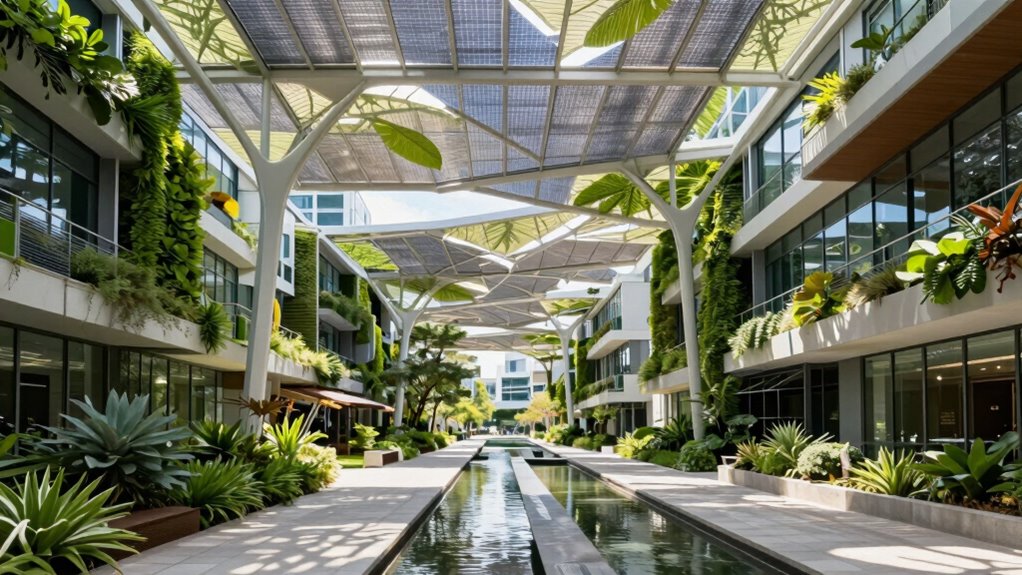
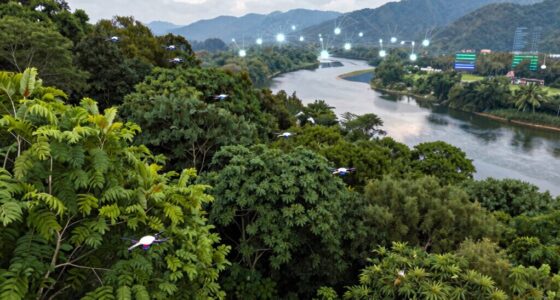
As climate change accelerates, designing built environments that respond effectively to environmental challenges has become more critical than ever. You have the power to shape spaces that not only serve human needs but also contribute positively to the planet’s health. One of the most impactful strategies is integrating urban greenery into your designs. Green roofs, vertical gardens, and parks help reduce the urban heat island effect, improve air quality, and promote biodiversity. When you incorporate trees and plants into cityscapes, you create natural cooling systems that lessen reliance on energy-intensive air conditioning. This not only conserves resources but also offers residents a healthier, more pleasant environment. Urban greenery acts as a natural climate buffer, making your built spaces more resilient to temperature extremes and stormwater runoff.
Urban greenery reduces heat, improves air quality, and boosts biodiversity for healthier, more resilient cities.
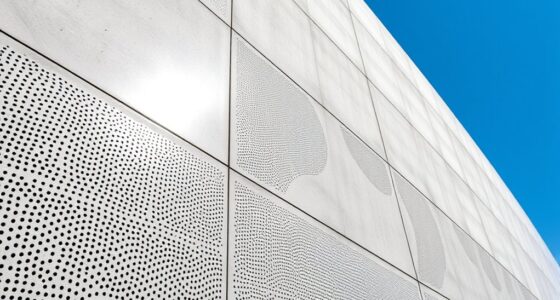
Alongside greenery, using renewable materials in construction is crucial. You can choose sustainably sourced wood, recycled steel, or bamboo, which have lower carbon footprints compared to traditional building materials. These renewable options help reduce the overall environmental impact of your projects. By selecting materials that are either biodegradable or easily recyclable, you contribute to a circular economy, minimizing waste and pollution. When you prioritize renewable materials, you also promote innovation in building practices, encouraging the development of eco-friendly technologies. This shift not only benefits the environment but can also reduce construction costs over time, especially as renewable materials become more accessible and efficient. Additionally, incorporating climate-responsive design principles ensures your buildings adapt effectively to changing environmental conditions. Recognizing the importance of sustainable construction practices can further enhance your project’s resilience and environmental benefits. Incorporating water-efficient systems can also significantly reduce water consumption and support sustainable resource management.
You can further enhance the climate-responsiveness of your built environments by designing for energy efficiency. Incorporate passive solar techniques, such as strategic window placement and insulation, to reduce heating and cooling needs. Use renewable energy sources like solar panels or wind turbines to power your buildings, decreasing reliance on fossil fuels. Embedding these technologies into your design ensures your structures produce as much energy as they consume, making them more sustainable and less vulnerable to energy price fluctuations. Moreover, integrating smart technology can optimize energy use and further improve your building’s climate adaptability.
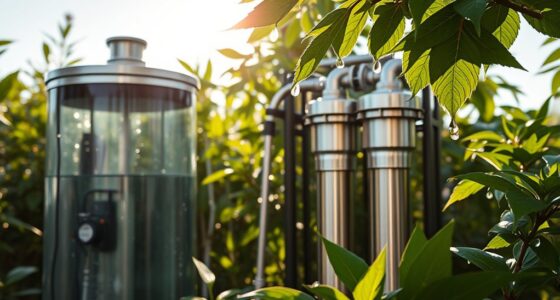
Water management is another critical aspect. Implement rainwater harvesting systems and permeable pavements to manage stormwater effectively. These measures help prevent flooding and recharge groundwater supplies, making your environments more resilient during extreme weather events. Additionally, designing flexible spaces that can adapt to changing climate conditions ensures your built environments remain functional and comfortable over time.
In essence, by thoughtfully integrating urban greenery, renewable materials, energy-efficient features, and smart water management, you can create built environments that are not only responsive to climate challenges but also contribute to a sustainable future. Your designs have the potential to transform cities into resilient, healthy spaces that serve both people and the planet.
As an affiliate, we earn on qualifying purchases.
Frequently Asked Questions
How Can Existing Buildings Be Retrofitted for Climate Resilience?
You can retrofit existing buildings for climate resilience by improving energy efficiency through better insulation, windows, and HVAC systems. Incorporate renewable energy sources like solar panels to reduce reliance on fossil fuels. Additionally, upgrade water management systems and add green infrastructure like permeable pavements and green roofs. These steps help your building adapt to climate impacts, lower emissions, and promote sustainability, making it more resilient against future climate challenges.
What Role Do Local Communities Play in Climate-Responsive Design?
You play a crucial role in climate-responsive design, acting like a gardener nurturing diverse plants. When you engage your community, you foster cultural adaptation and guarantee solutions match local needs. For example, in flood-prone areas, locals shared traditional building techniques that resist water damage, guiding resilient design. Your involvement shapes sustainable, culturally sensitive spaces, making communities more resilient and fostering a sense of ownership and pride in the environment.
Are There Specific Materials Best Suited for Climate-Adaptive Architecture?
You should focus on materials that offer high durability and insulation efficiency, as they adapt well to changing climates. Opt for locally sourced, sustainable options like bamboo, rammed earth, or recycled steel, which withstand weather fluctuations. These materials help reduce energy consumption and increase resilience. By choosing the right materials, you enhance your building’s ability to respond to climate challenges and create a more sustainable, comfortable environment.
How Does Climate Responsiveness Impact Urban Biodiversity?
Think of climate responsiveness as a revitalizing gust for urban biodiversity. It enhances habitat connectivity and creates green corridors that link ecosystems, allowing species to thrive amid changing climates. By designing cities with these features, you support diverse flora and fauna, making urban areas more resilient. This approach transforms concrete jungles into vibrant, living landscapes, fostering harmony between human development and nature’s intricate web.
What Are the Economic Benefits of Climate-Responsive Built Environments?
You can benefit economically from climate-responsive built environments through increased market opportunities and attractive economic incentives. These designs often reduce energy costs, lower maintenance expenses, and enhance property values, attracting environmentally conscious investors and tenants. By embracing climate responsiveness, you open doors to innovative green technologies and sustainable practices, positioning yourself ahead of regulations and market trends. Ultimately, these strategies boost your financial resilience while supporting a healthier, more sustainable urban environment.
As an affiliate, we earn on qualifying purchases.
Conclusion
Think of your built environment as a living, breathing organism—its health depends on how well it adapts to its surroundings. By making climate-responsive choices, you’re nurturing this organism to thrive amid changing conditions. When you design with nature, you create a resilient landscape that bends without breaking. Your efforts can turn concrete jungles into lush, sustainable havens—where every building and street is part of a harmonious, climate-smart ecosystem.
As an affiliate, we earn on qualifying purchases.
recycled steel building materials
As an affiliate, we earn on qualifying purchases.
As an affiliate, we earn on qualifying purchases.
Halloween Picks
halloween
As an affiliate, we earn on qualifying purchases.