
TL;DR

Prime made for students and young adults
- Fast, free delivery for dorm and study essentials
- Prime Video and Amazon Music included
- Member-only deals
Canadian wildfires have led to a sharp decline in air quality across multiple US states. Authorities are issuing health warnings, and monitoring continues to assess the full impact. The situation remains ongoing with further updates expected.
Severe smoke from ongoing wildfires in Canada has caused a significant decline in air quality across multiple US states, prompting health advisories and increased monitoring efforts. This development underscores the transboundary impact of wildfires and the importance of air quality management.
According to the Environmental Protection Agency (EPA), air quality levels in several states, including New York, Illinois, and Michigan, have reached unhealthy levels due to smoke drifting south from Canadian wildfires. The Air Quality Index (AQI) readings in some areas have exceeded 200, indicating very unhealthy conditions. Authorities have issued advisories urging vulnerable populations—such as children, the elderly, and those with respiratory conditions—to stay indoors and limit outdoor activity.
The Canadian wildfires, which began intensifying last week, are currently burning across several provinces, including Quebec and Ontario. Learn more about wildfire management. The Canadian Forest Service reports that over 300 active fires are ongoing, with firefighters working to contain the blazes. The smoke has been transported southward by prevailing winds, affecting air quality across the US Midwest and Northeast.
Impacts of Cross-Border Wildfire Smoke on Public Health
This situation highlights the transboundary nature of air pollution caused by wildfires, emphasizing the need for coordinated international response and preparedness. The health risks associated with poor air quality include respiratory issues, cardiovascular problems, and increased hospital admissions, especially among vulnerable groups. The widespread deterioration of air quality also raises concerns about long-term environmental and health impacts.
Popular right now

Ninja Flip Toaster Oven and Air Fryer, 8-in-1, Stainless Steel, SP151

KitchenAid Artisan 5-Qt Tilt-Head Stand Mixer – Dried Rose (KSM150PS)

Dyson V8 Cyclone Cordless Vacuum
As an affiliate, we earn on qualifying purchases.
Recent Canadian Wildfires and Their Broader Impact
Wildfires in Canada have become more frequent and intense over recent years, driven by climate change and changing forest management practices. The current season has seen an unprecedented number of fires, with some burning in remote areas and others threatening populated regions. Historically, Canadian wildfires have occasionally impacted US air quality, but recent years have seen a marked increase in the extent and severity of smoke transport across borders.
Previous incidents, such as the 2021 wildfire season, already demonstrated the potential for Canadian fires to affect air quality in the US. Experts warn that climate change is likely to exacerbate this trend, making wildfires and their cross-border impacts more common.
“The current air quality levels are among the worst we’ve seen this season, primarily due to smoke from Canadian wildfires.”
— EPA spokesperson
Extent and Duration of Air Quality Impact Still Unclear
While current data confirms elevated AQI levels across several US states, the exact duration of the poor air quality remains uncertain. The progression of wildfires in Canada and weather patterns will influence how long smoke persists in the atmosphere and continues affecting US regions. Additionally, the full health impact, especially over the long term, is still being studied.
Monitoring and Response Efforts to Continue Intensively
Authorities will continue monitoring air quality levels and issuing health advisories as conditions evolve. Firefighting efforts in Canada are expected to persist, with weather forecasts indicating potential changes in wind patterns that could either disperse or concentrate smoke. Further updates on the wildfire situation and its cross-border impacts are anticipated over the coming days.
Key Questions
How long will the poor air quality last?
It is currently unclear how long the smoke will affect US air quality, as it depends on fire containment progress and weather conditions.
What health precautions should I take?
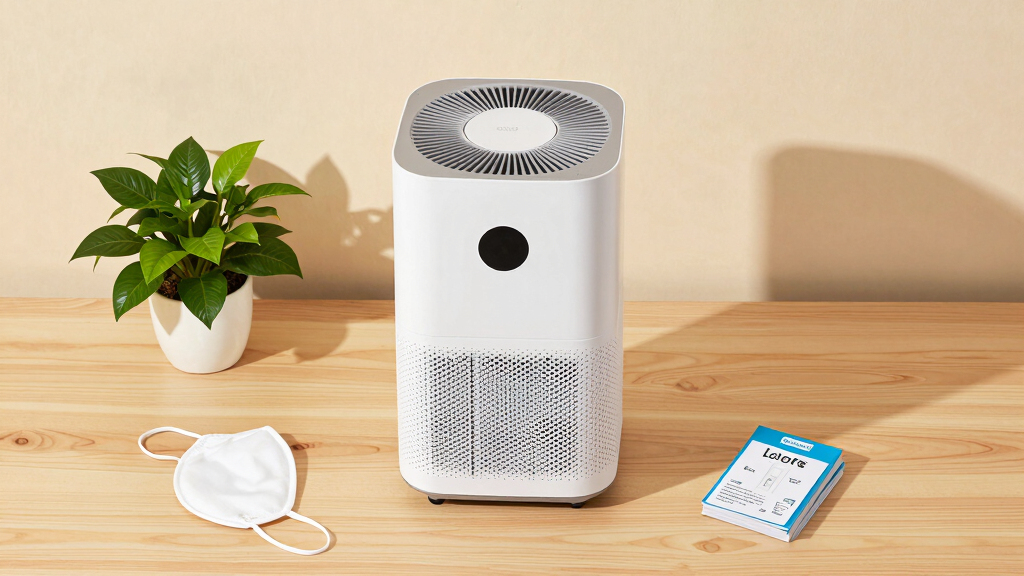
Vulnerable populations should stay indoors, use air purifiers if available, and limit outdoor activities until air quality improves.
Are the wildfires in Canada expected to worsen?
Canadian authorities report ongoing fires with challenging weather conditions, and the situation could change depending on weather and firefighting efforts.
Can this impact be prevented or mitigated?
Preventative measures include better forest management and climate change mitigation, but immediate impacts from wildfires are primarily managed through firefighting and public health advisories.
Source: google-trends