
TL;DR

Prime made for students and young adults
- Fast, free delivery for dorm and study essentials
- Prime Video and Amazon Music included
- Member-only deals
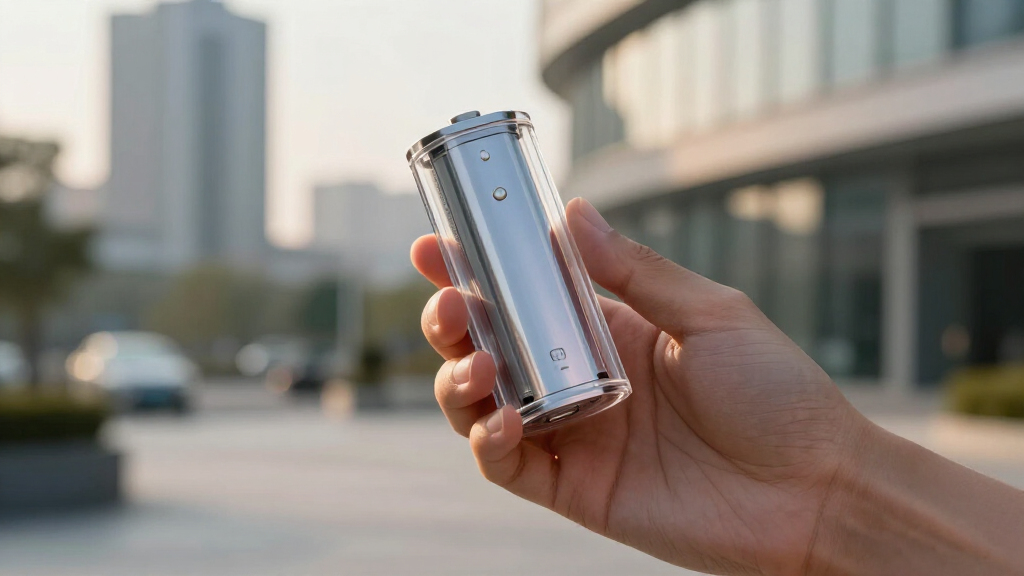
Major tech and auto companies are investing heavily in solid-state battery technology due to its potential for higher energy density and safety. While promising, significant technical hurdles remain before commercialization.
Several leading technology and automotive firms are intensifying efforts to develop solid-state batteries, citing their potential to revolutionize energy storage with higher capacity and improved safety. This surge is driven by the promise of better performance over traditional lithium-ion batteries, making it a key focus for future electric vehicle (EV) and portable device markets.
Major companies such as Toyota, QuantumScape, and Samsung SDI have announced progress in developing prototype solid-state batteries. These batteries replace the liquid electrolyte used in conventional lithium-ion cells with a solid material, which can potentially offer higher energy density, faster charging, and enhanced safety by reducing the risk of fires caused by electrolyte leaks.
Despite the enthusiasm, experts acknowledge that commercial-scale production remains a challenge. Technical hurdles include ensuring the durability of solid electrolytes, achieving consistent manufacturing processes, and reducing costs to competitive levels. Industry analysts note that while prototypes have demonstrated promising laboratory results, mass production could still be years away.
The Impact of Solid-State Batteries on Electric Vehicle and Tech Markets
The development of solid-state batteries could dramatically accelerate the adoption of electric vehicles by enabling longer range and faster charging times. For portable electronics, these batteries promise lighter, more durable power sources. However, the transition depends on overcoming manufacturing costs and technical reliability, which are still under active research.
Investors and automakers are closely watching these advancements, as successful commercialization could reshape the competitive landscape of energy storage and transportation industries.
As an affiliate, we earn on qualifying purchases.
Recent Advances and Industry Investment in Solid-State Battery Research
Over the past few years, there has been a surge in investments from both private companies and governments into solid-state battery research. Notably, Toyota announced plans to bring solid-state batteries to market by the mid-2020s, aiming for vehicles with significantly increased range. Similarly, startups like QuantumScape have showcased prototypes that outperform traditional lithium-ion cells in laboratory tests.
This interest is driven by the limitations of current battery technology, including safety concerns, limited energy density, and slow charging times. The push for solid-state batteries is viewed as a critical step toward achieving more efficient, safer, and longer-lasting energy storage solutions.
“Solid-state batteries could be a game-changer for electric vehicles, but scaling up production remains a significant challenge.”
— Dr. Lisa Chen, Battery Research Expert
As an affiliate, we earn on qualifying purchases.
Technical Challenges and Timeline for Commercialization
While prototypes show promise, it is still unclear when solid-state batteries will become commercially available at scale. Key issues include manufacturing costs, electrolyte stability over multiple charge cycles, and achieving consistent quality in mass production. Industry insiders suggest commercialization could still be several years away, possibly beyond 2025.
As an affiliate, we earn on qualifying purchases.
Upcoming Developments and Industry Milestones in Solid-State Battery Tech
Next steps involve scaling laboratory prototypes to pilot production lines, improving electrolyte durability, and reducing costs. Major automakers and tech firms are expected to announce further prototypes and testing results throughout 2024. Regulatory approvals and supply chain development will also influence the timeline for market entry.
As an affiliate, we earn on qualifying purchases.
Key Questions
What are solid-state batteries?
Solid-state batteries are energy storage devices that replace liquid electrolytes with solid materials, potentially offering higher energy density and improved safety.
Why are companies investing in this technology?
Because solid-state batteries promise longer range, faster charging, and safer operation for electric vehicles and portable electronics, making them highly desirable for future markets.
What are the main challenges remaining?
The key challenges include developing durable solid electrolytes, scaling up manufacturing processes, and reducing costs to competitive levels.
When might we see commercial solid-state batteries?
Most experts estimate that widespread commercial availability could occur after 2025, depending on overcoming current technical and manufacturing hurdles.
Source: hn
Fall Picks
fall essentials
As an affiliate, we earn on qualifying purchases.